




The Familiar Scene of Festive Chaos
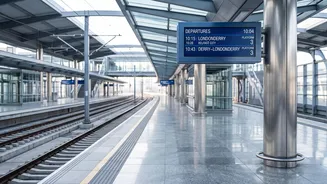
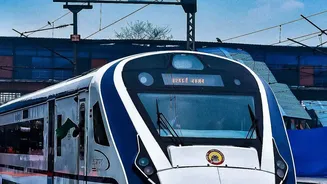
Anyone who has travelled by train during Diwali knows the scene: platforms packed shoulder-to-shoulder, long queues for everything, and a frantic last-minute scramble to board coaches. This annual migration involves millions of people heading home, placing
immense pressure on major railway stations across the country. The sheer volume of passengers creates significant safety risks, from stampedes and bottlenecks at foot-over-bridges to difficulties for emergency services. Managing this surge is one of the most demanding logistical challenges for Indian Railways every year. This year, with Diwali falling on November 8, authorities are reinforcing crowd control measures to ensure journeys are as smooth and safe as possible.
The Solution: Designated Holding Areas
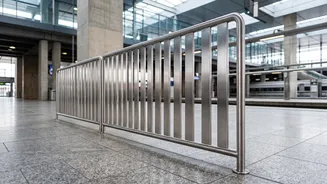
The core of the strategy is to prevent overcrowding on platforms themselves. Instead of allowing all passengers to enter the station at will, railways are establishing large, designated 'holding areas' or 'Yatri Suvidha Kendras' outside the main station buildings. These are essentially large, barricaded enclosures, often equipped with basic amenities like seating, fans, drinking water, and toilets. The idea is to contain and organize the crowd before they even reach the platforms. This approach has been tested during previous festival seasons and large gatherings like the Mahakumbh, proving effective in managing sudden surges in footfall. Stations in cities like Ahmedabad, Pune, and New Delhi are actively using these zones for the 2026 Diwali rush.
How Zonal Entry Works in Practice
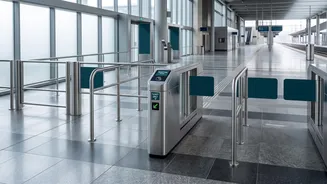
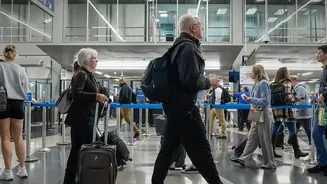
The system operates on a simple principle: controlled access. Passengers arriving at the station are guided into these holding areas. Here, they wait in organised queues until their specific train is announced for boarding and arrives at the platform. Only then are they allowed to proceed from the holding zone to the platform. This 'metered' entry prevents the platform from becoming dangerously congested. Complete access control is a key part of this, with unauthorised entry points sealed off. This process is managed by a coordinated effort between the Railway Protection Force (RPF), Government Railway Police (GRP), and other station staff, who use public announcement systems, walkie-talkies, and extensive CCTV monitoring to manage the flow of people.
The Direct Benefits for Passengers
While it might seem like an extra step, this system offers significant safety benefits. By regulating the number of people on a platform at any given time, it drastically reduces the risk of stampedes, a major concern during peak rush hours. It also makes security checks more orderly and effective. For passengers, it creates a more predictable and less chaotic environment. Instead of a free-forall, there is a structured process for waiting and boarding. This controlled flow is especially crucial at vulnerable points like foot-over-bridges and near the doors of general-class coaches, which traditionally see the most intense crowding. Ultimately, it contributes to a safer and less stressful start to the festive journey.
Part of a Broader Strategy
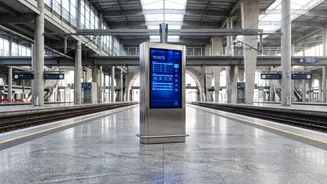
Separate entry zones are just one component of a comprehensive crowd management plan. To handle the increased demand, Indian Railways has also deployed thousands of special train services across high-density routes. At major stations, authorities have temporarily suspended the sale of platform tickets to limit the number of non-passengers. Parcel booking and loading activities are also restricted to free up space and staff. Additional security personnel are deployed at all critical points, and advanced surveillance tools, including drone-assisted monitoring, are being used to keep a close watch on crowd dynamics. Together, these measures form a multi-layered approach to keeping millions of travellers safe.