




The 'Greens First' Philosophy Explained
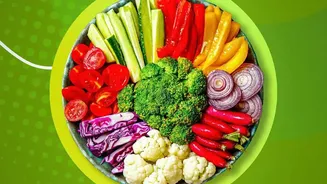
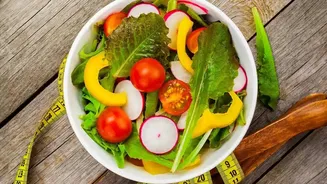
The concept, often called 'food sequencing', is simple: begin your meal with non-starchy vegetables before you eat proteins, fats, and finally, carbohydrates. This means starting with a salad, some sliced cucumbers, or a side of leafy greens before moving
on to the main components of your dish. The claim is that this specific order can fundamentally change how your body processes the meal, leading to more stable blood sugar and sustained energy, effectively preventing the dreaded post-meal slump. This strategy has been studied in various contexts, including for individuals with and without diabetes, showing consistent benefits.
The Science of Slowing Down Sugar
So, how does a simple salad accomplish this? The magic lies in fibre. Raw greens and other non-starchy vegetables are packed with dietary fibre, a type of carbohydrate your body can't digest. When you eat these fibrous foods first, they form a gel-like mesh in your stomach and intestines. This slows down gastric emptying, meaning the food leaves your stomach at a more controlled pace. As a result, when the carbohydrates from your meal—like rice, bread, or potatoes—are eventually digested, the resulting glucose (sugar) enters your bloodstream much more gradually. Studies have demonstrated that this method significantly reduces the post-meal glucose spike compared to eating carbs first or all at once.
Steady Energy and Other Potential Perks
A sharp rise in blood sugar is often followed by a rapid crash, leaving you feeling tired, irritable, and hungry for more quick energy. By blunting that initial spike, eating greens first helps maintain more stable energy levels throughout the day. But the benefits don't stop there. The fibre from the vegetables also promotes satiety, making you feel fuller sooner and potentially for longer. This can help with overall calorie management and weight control. Furthermore, this eating pattern may improve the secretion of important gut hormones like GLP-1, which helps regulate appetite and supports insulin release, allowing your body to handle the incoming sugar more efficiently.
How to Put It Into Practice
Incorporating this into your daily routine doesn't have to be complicated. It’s not about eating a massive, separate salad course before every meal. You can start small. Begin your lunch or dinner with a simple side salad with a light vinaigrette. Munch on some raw vegetable sticks like carrots, celery, or bell peppers while you prepare the rest of your meal. Even a simple bowl of vegetable soup (without starchy additions like potatoes or pasta) can serve the purpose. The key is to get that fibre in first, creating a buffer before the carbohydrates arrive. This strategy is effective even when meals are eaten quickly, suggesting the food order itself is the most critical factor.
Is This a Magic Bullet?
While the 'greens first' approach is backed by compelling science, it's important to view it as a tool, not a cure-all. It doesn't 'cancel out' carbohydrates or give you a free pass to eat unlimited amounts of sugar and refined grains. The overall quality and composition of your diet remain the most important factors for long-term health. A balanced plate with lean protein, healthy fats, complex carbohydrates, and plenty of vegetables is still the foundation of good nutrition. Think of food sequencing as an optimization strategy—a simple, effective way to enhance the benefits of an already healthy meal and support your body's natural energy regulation. It’s a sustainable habit that empowers you to manage your metabolic health without resorting to restrictive diets.