
Beyond the Universal Curry
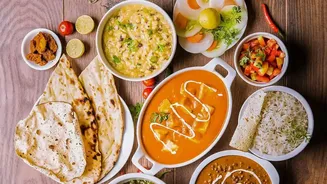
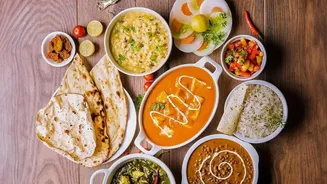
For years, the story of Indian cuisine told to the world—and often within India itself—was a simplified one. Dominated by a handful of North Indian staples, the rich tapestry of the country's culinary traditions was often flattened into a familiar menu
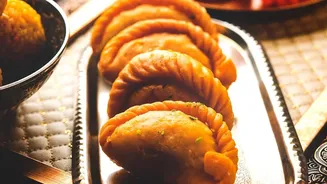
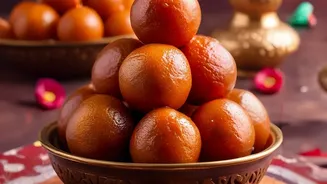
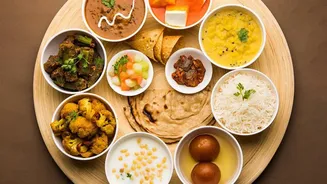
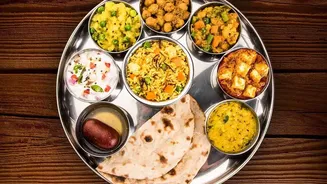
of butter chicken, naan, and biryani. But this is changing. A growing movement is pushing back against this monolithic narrative, championed by chefs, home cooks, and food event curators who are passionate about showcasing what they call micro-cuisines. This isn't just a trend; it's a deeper acknowledgment that in a country where the culture can shift every 100 kilometres, so does the food. The focus is now on hyperlocal dishes, foraged vegetables, and unique home-style preparations that rarely travel beyond their native villages or communities.
Grandma’s Kitchen Goes Gourmet
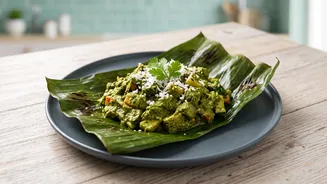
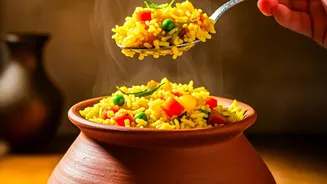
At the heart of this revival are the techniques and recipes passed down through generations—what many now call 'heirloom recipes'. These are the family secrets and community traditions that form the backbone of India's culinary identity. Techniques once seen as rustic or outdated are now being celebrated on fine-dining tables and at food festivals. Chefs are reviving the art of 'dum pukht', the Mughal-era practice of slow-cooking in a sealed pot, to create deeply layered aromas. Fermentation, a quiet science long practiced in Indian homes for making everything from dosa batter to pungent pickles, is being explored for its complex flavours and probiotic benefits. Even something as simple as cooking over an open fire or steaming fish in banana leaves is making a comeback, valued not just for its unique taste but for its connection to a more elemental, sustainable way of life.
The Champions of Culinary Heritage
This movement is being led by a new generation of culinary custodians who see themselves as cultural cartographers as much as chefs. Figures like Vikas Khanna and Ritu Dalmia are actively unearthing lesser-known regional treasures, while the late Jiggs Kalra's legacy of preserving traditional flavours continues to inspire many. Chef Sanjeev Kapoor has long used his platform to bring regional recipes into millions of homes, recently urging for the preservation of Kerala's fading heritage dishes. These chefs are not just cooking; they are researching, documenting oral histories, and telling the stories behind the food. This work is crucial in a globalised world where many age-old recipes risk being forgotten. They are proving that tradition can evolve without losing its roots, creating dishes that are both authentic and modern.
A Stage for Regional Stories
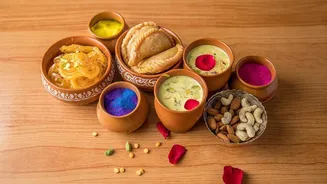
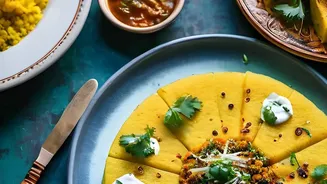
Food festivals and restaurant pop-ups have become key platforms for this culinary renaissance. Events are no longer just about serving popular dishes; they are about creating an immersive cultural experience. Organisers of food festivals from Los Angeles to Colorado now explicitly promise a journey through India's kitchens, from the streets of Delhi to the coasts of Kerala. These events showcase regional specialties, live cooking demos, and cultural performances, offering a more complete picture of India's diversity. In restaurants, chefs are curating menus that highlight specific regions and ingredients, like the Himalayan jakhiya seeds or the traditional Pahadi spiced salt known as pisyu loon. This allows diners to travel across India through taste, discovering the unique stories and landscapes embedded in each dish.