






Understanding the Landscape
Enjoying India's diverse cuisine requires awareness of the risks associated with food and water safety. Foodborne and waterborne diseases like diarrhoea, typhoid, cholera, and hepatitis A are significant public health concerns. [4, 5, 8] In the South-East
Asia Region alone, nearly 150 million people fell ill with foodborne diseases in a single year, leading to 175,000 deaths. [24] Contaminated food and water are primary culprits, with issues ranging from poor hygiene and sanitation to the overuse of antimicrobials leading to resistance. [2, 14, 24] Children under five are particularly vulnerable. [21, 24] Street food, while a core part of the culinary experience, can pose a health hazard if not chosen carefully. [24] The goal isn't to create fear, but to foster a healthy respect for the situation and equip you with the knowledge to navigate it confidently.
The Smart Street Food Strategy
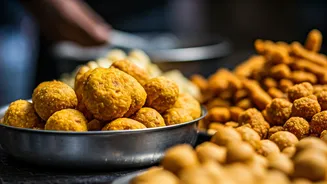
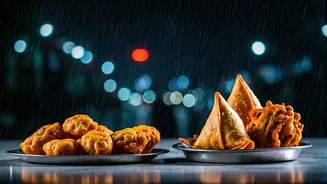
Street food is the heart and soul of Indian food culture, and you don't have to miss out. The key is to be selective. The golden rule is to choose busy stalls with high turnover, especially those frequented by locals. [11] A long line often indicates that the food is fresh and popular. [11] Opt for items that are cooked to order and served piping hot, as high temperatures kill most harmful bacteria. [7, 9, 12] This makes freshly fried items like samosas and pakoras or grilled corn a generally safer bet. [3, 9] Be cautious with anything that has been sitting out, especially sauces and chutneys made with tap water, or pre-cut fruits and salads. [3, 12] A simple mantra to follow is: boil it, cook it, peel it, or forget it. [7]
Dining Out: Beyond the Menu
When eating at a restaurant, look for signs of diligence. In India, food businesses are regulated by the Food Safety and Standards Authority of India (FSSAI) and are required to have a license or registration. [23, 25, 27] Look for a displayed FSSAI license, which indicates the establishment is subject to food safety standards. [25] General cleanliness of the premises, including the dining area and restrooms, can be a good indicator of the kitchen's hygiene standards. Observe if the staff practices good hygiene, such as handling money and food separately. [7] It's also wise to be cautious with buffet-style setups where food may sit at room temperature for extended periods. [9] Sticking to freshly prepared dishes is always a safer choice.
Water Wisdom: Staying Safely Hydrated
Water safety is non-negotiable. Never drink tap water in India. [12] Stick to bottled water from reputable brands. However, the market for counterfeit bottled water is a real concern, with fakes often sold with misspelled brand names like 'Bilseri' instead of Bisleri. [29, 30, 31] Always inspect the bottle before buying. Check for an intact factory seal that makes a cracking sound when opened. [15] The label should have high-quality printing with no spelling errors and should display a valid ISI or BIS certification mark and FSSAI license number. [15, 20] The water itself should be perfectly clear, without any particles. [15] When dining out, avoid ice in your drinks unless you can confirm it was made from filtered or bottled water. [3] Hot beverages like tea (chai) are generally safe as the water is boiled. [3]
The Hidden Risk of Adulteration
Beyond microbial contamination, food adulteration is another concern. This involves deliberately adding inferior or harmful substances to food for economic gain. [10] Common examples include using synthetic dyes like Metanil Yellow in spices, detergents in milk, or cheaper oils to cut expensive ones. [10, 13, 17] These adulterants can pose serious long-term health risks, including organ damage and even cancer. [10, 18, 19] While it can be difficult for consumers to detect, being aware of this issue is the first step. Purchasing spices and other staples from reputable, certified brands rather than loose from the market can reduce your risk. The FSSAI has set standards for contaminants and additives, and choosing products that comply with these regulations is crucial for safety. [23, 27]