







The Science Behind the Shine
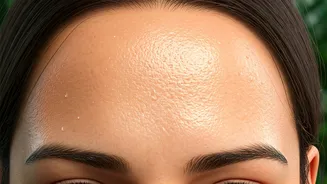
When the air is heavy with moisture, it signals a change to your skin. Normally, your skin produces sebum (oil) to create a protective barrier and prevent moisture loss. [1] However, in high humidity, the air's moisture content slows down sweat evaporation
from your skin. [1, 18] This can cause your sebaceous glands to become more active, producing even more oil. [2, 4] This excess sebum mixes with sweat, dead skin cells, and environmental pollutants, creating a perfect storm for clogged pores, a greasy complexion, and potential acne breakouts. [3, 13, 14] Studies have confirmed that exposure to summer heat and humidity significantly increases sebum secretion, making skin feel stickier and oilier. [12] Essentially, your skin is reacting to the environmental cues, and for those already prone to oiliness, the effect is amplified. [1]
Rethink Your Cleansing Strategy
The immediate temptation when your face feels greasy is to wash it aggressively and often. However, this can backfire. Using harsh, stripping cleansers can irritate the skin and trigger even more oil production as your skin tries to compensate for the dryness. [2] The key is to be gentle but consistent. Cleanse your face twice daily—morning and night—with a mild, sulfate-free gel or foaming cleanser. [9] If you exercise or sweat heavily, an extra rinse with plain water or a very gentle cleanser is sufficient. [9] Over-washing can damage your skin's natural moisture barrier, leading to a vicious cycle of oiliness and irritation. [9] For those who wear makeup or sunscreen, consider double cleansing at night. Start with micellar water or a cleansing balm to break down products, then follow with your regular gentle face wash to ensure your pores are clear of buildup. [7, 9]
Lightweight Hydration is Non-Negotiable
Skipping moisturiser because your skin already feels oily is one of the most common skincare mistakes. [9] All skin types, including oily ones, need hydration. When your skin is dehydrated, it can ramp up oil production to make up for the lack of moisture. [9, 13] In humid weather, the solution isn't to skip this step, but to switch your product. [5] Ditch heavy, occlusive creams that form a thick layer and can trap oil. [8, 17] Instead, opt for lightweight, oil-free, and non-comedogenic (meaning it won't clog pores) moisturisers. [2] Gel-based or water-based formulas containing ingredients like hyaluronic acid or glycerin are excellent choices. [6, 7, 22] They provide essential hydration without adding extra grease, helping to keep your skin's moisture barrier balanced and healthy. [7, 9]
Power Up with the Right Ingredients
Incorporating specific active ingredients into your routine can make a significant difference in managing oil. Look for serums or toners that contain: * **Niacinamide:** This powerhouse ingredient is celebrated for its ability to regulate sebum production, reduce inflammation, and minimize the appearance of pores. [3, 7] It's gentle enough for daily use. [3] * **Salicylic Acid (BHA):** As an oil-soluble exfoliant, salicylic acid is a star ingredient for oily skin. It penetrates deep into pores to dissolve the mixture of oil and dead skin cells, helping to prevent clogs and breakouts. [3, 17] Using a product with salicylic acid 2-3 times a week can be very effective. [3, 5] * **Clay:** Used in masks once or twice a week, clay (like kaolin) is fantastic for absorbing excess oil and pulling impurities from the pores without being overly drying. [1, 18] * **Lightweight Sunscreen:** Sun protection is crucial every day. In humid weather, choose a gel-based, fluid, or mineral powder sunscreen with at least SPF 30 that is labeled "non-comedogenic" or "oil-free" to prevent clogged pores. [6, 18]
Smart Lifestyle and Makeup Adjustments
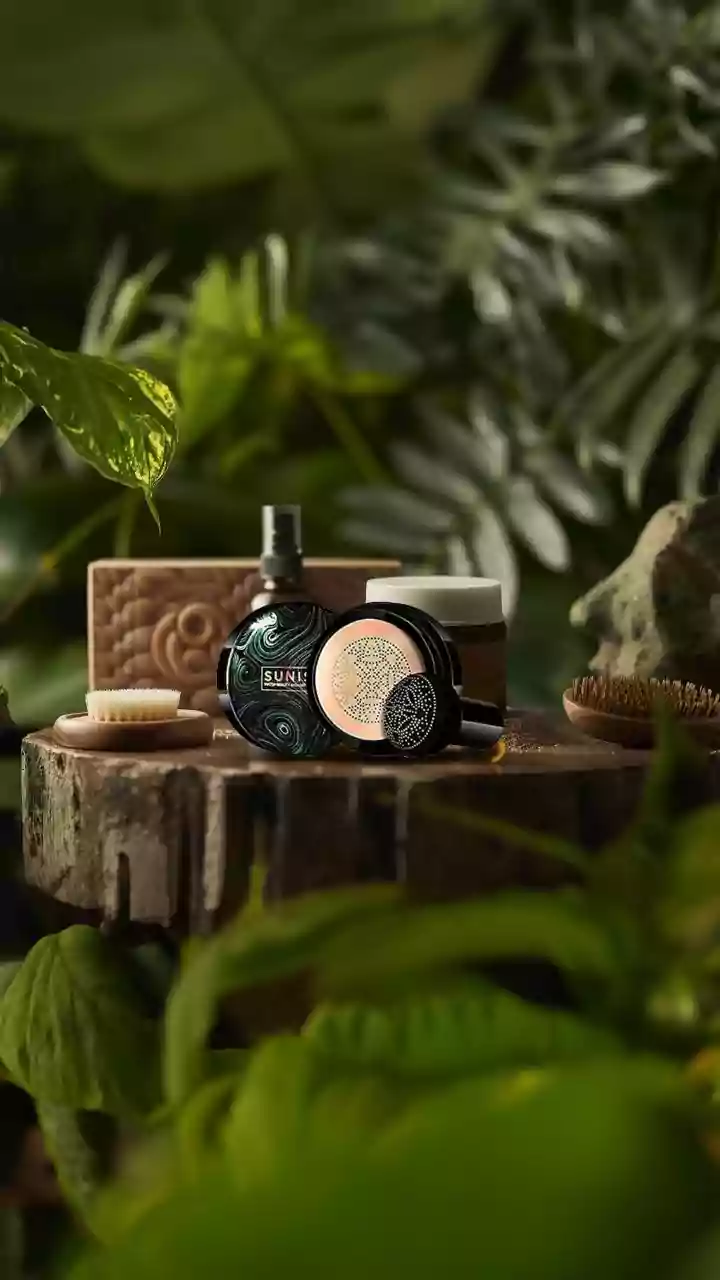
Your daily habits can also help control shine. A diet high in sugary foods and refined carbohydrates may stimulate sebum secretion, so focusing on fruits, vegetables, and whole grains can support skin balance. [1, 2] Staying hydrated by drinking plenty of water is also key. [1] When it comes to makeup, less is often more in humid conditions. [16] Heavy foundations can feel suffocating and are more likely to slide off or clog pores. [10] Consider a tinted moisturiser or simply a mattifying, non-comedogenic powder. [5, 16] For midday shine, use oil-blotting papers to absorb excess grease without disturbing your makeup or stripping your skin. [10] It’s a much better alternative to layering on more powder, which can lead to a cakey look.