





The Sugar and Antibiotic Puzzle
The relationship between diet and medicine is a field of ever-growing interest. We know that what we eat can influence our health in countless ways, but what about its effect on medical treatments? A recent study published in the journal Nature has brought
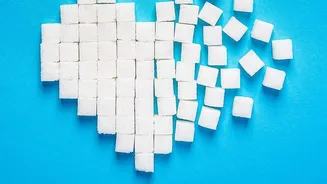
this question to the forefront, specifically examining the impact of dietary sugar on the effectiveness of antibiotics. Researchers from several leading institutions collaborated to investigate how sugar consumption affects the gut microbiome, the complex community of trillions of microorganisms living in our digestive tract, especially when antibiotics are introduced into the system. The findings suggest that consuming sugar while on antibiotics could amplify the damage these drugs do to the healthy bacteria in our gut.
What the New Research Found
The study focused on a group of hospitalised patients undergoing treatment that required antibiotics. By closely tracking their dietary intake and analysing changes in their gut microbiomes, the scientists made a striking discovery. The combination of a high-sugar diet and antibiotic use appeared to be particularly destructive to the gut's microbial diversity. For every 100-gram increase in sugar consumed in the 48 hours before treatment, the diversity of the microbiome dropped by an additional 21% to 24%. This loss of diversity is a serious concern, as a healthy and varied microbiome is crucial for digestion, immunity, and overall health. When beneficial bacteria are wiped out, it leaves an opening for more harmful, drug-resistant bacteria to thrive.
A Boost for Harmful Bacteria
One of the most concerning findings was that the combination of sugar and antibiotics led to a significant increase in a specific type of harmful bacteria called Enterococcus faecium. This bacterium is known for its link to hard-to-treat hospital infections. Experiments in mice confirmed this troubling pattern. When mice were given both antibiotics and dietary sucrose (table sugar), the population of Enterococcus in their gut skyrocketed—increasing by more than 33 times by the sixth day of the study. Researchers theorise that dietary sugars may act as a fuel source for these resilient bacteria, allowing them to multiply rapidly after antibiotics have cleared out their competition.
A Contradictory Finding?
Interestingly, this new research seems to contrast with some earlier findings. A notable study from Boston University several years ago found that, under specific circumstances, sugar could actually make certain antibiotics more effective. That research focused on a type of dormant bacteria known as 'persisters', which can hide from antibiotics by entering a hibernation-like state. The study found that a dose of sugar could 'wake up' these persisters, making them vulnerable to being killed by the antibiotics. This highlights the complexity of the issue: the effect of sugar may depend on the type of bacteria, the type of antibiotic, and whether the sugar is helping dormant bacteria become active or feeding harmful bacteria that have survived an antibiotic onslaught.
What Should You Do?
So, should you immediately cut all sugar from your diet the next time you're prescribed antibiotics? The researchers from the latest study say it's premature to make a blanket recommendation for everyone. However, they note that there is generally no harm in limiting your intake of sugary foods and drinks, especially those with high amounts of added sugars like sodas, sweets, and certain nutrition shakes. The study was conducted on a specific group of hospitalised patients who are particularly vulnerable to microbiome disruption. More research is needed to see if these findings apply to the general population. For now, the best advice remains to use antibiotics only when necessary, follow your doctor's instructions, and maintain a balanced diet that is not excessively high in processed sugars for the sake of your overall health.