



The Post-Monsoon Advantage
An October safari offers a unique spectacle that you won't find at other times of the year. The monsoon rains wash the dust from the forests, leaving behind a world of vibrant green. Waterholes are full, the air is crisp, and the entire ecosystem feels
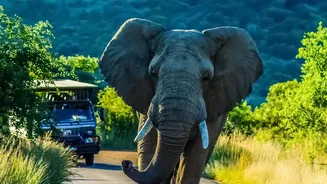
rejuvenated. This lushness means the forest is at its most beautiful. Animals, including tigers, elephants, and deer, are often more active after the long rainy season. While the dense foliage can sometimes make spotting animals a challenge, the payoff is a view of the jungle at its most alive and photogenic. The weather is also generally pleasant, with cool mornings and comfortable days, making it ideal for open-jeep safaris.
Ranthambore: Royalty and Tigers
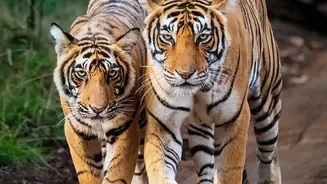
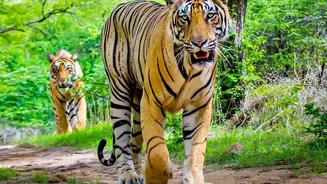
Famous for its confident tigers and the ancient fort that overlooks the park, Ranthambore National Park in Rajasthan is a top destination for wildlife enthusiasts. The core zones (1-5) of the park, which are closed during the monsoon, reopen to visitors on October 1st. These zones are highly sought after, so booking your safari well in advance is crucial. Bookings for the October-December period often open as early as August. Safari timings for October are typically from 6:30 AM to 10:00 AM and from 2:30 PM to 6:00 PM. You can choose between a 6-seater Gypsy or a 20-seater Canter. While tiger sightings are never guaranteed, the areas around the park's famous lakes—Padam Talao, Malik Talao, and Rajbagh Talao—are often productive in October.
Sariska: The Aravalli's Hidden Gem
Located in the Aravalli Hills, Sariska Tiger Reserve is another Rajasthan park that reopens its core zones on October 1st. Often considered a quieter alternative to Ranthambore, Sariska offers a rugged landscape of dry deciduous forests and rocky outcrops. The reserve is known for its successful tiger reintroduction program, making a sighting here particularly special. The main safari gates give access to zones 1, 2, and 3, which are popular for tiger and leopard sightings. Like other parks, Sariska remains closed on Wednesdays for a weekly break. Its proximity to Delhi and Jaipur makes it an accessible weekend getaway. October provides a chance to see the forest in its post-monsoon glory, though the dense greenery can require a bit more patience when tracking animals.
Corbett: The Himalayan Foothills
As India's oldest national park, Jim Corbett offers a different flavour of wildlife adventure in the foothills of the Himalayas. The park's reopening is staggered. While buffer zones like Jhirna and Dhela may remain open longer, the prime core zones have specific dates. For the post-monsoon season, popular gates like Bijrani and Garjia typically reopen around mid-October. The most famous zone, Dhikala, known for its vast grasslands and herds of elephants, opens later in the year, usually around mid-November. An October visit to Corbett allows you to experience the park's incredible biodiversity, including over 650 species of birds, wild elephants, and leopards, all set against a lush, green backdrop.
Essential Safari Planning Tips
To make the most of your October safari, planning is key. First, book your permits online, well in advance. Safari permits for popular parks and zones can sell out within minutes of being released. Pack smart: bring light layers of clothing in neutral colours. Early mornings in an open jeep can be chilly, even in October, but it warms up quickly. Don't forget essentials like binoculars for better viewing, a good camera, sunscreen, and insect repellent. Finally, embrace the entire forest experience. While a tiger sighting is a thrilling goal, the jungle is full of other wonders, from alarm calls of deer to the sight of a rare bird. A knowledgeable guide can help you appreciate the full story of the wilderness.