




The Mountain of Waste in Our Cities
Indian cities generate millions of tonnes of municipal solid waste every year, and a staggering 50% or more of this is organic waste — primarily food scraps from our homes and kitchens. When this organic matter ends up in a landfill, it decomposes without
oxygen, releasing methane, a potent greenhouse gas far more damaging to the climate than carbon dioxide. This process not only contributes to climate change but also creates toxic liquids that can pollute groundwater. Landfills are running out of space, making it crucial to tackle the problem at its source. Reducing the amount of organic waste we send to these sites is one of the most effective actions we can take for a cleaner, healthier urban environment.
Embracing a 'Root-to-Stem' Philosophy
Zero-waste cooking isn't about producing absolutely no trash; it's about being mindful and resourceful. A core principle is the 'root-to-stem' approach, which has deep roots in traditional Indian cooking. This means using every edible part of a vegetable. For instance, the leaves of cauliflower, broccoli stems, and carrot tops are often discarded but are perfectly nutritious and delicious. Cauliflower leaves can be stir-fried, broccoli stems can be chopped for soups or sabzis, and carrot tops can be blended into a zesty pesto or chutney. Before you toss a peel, stem, or leaf, ask yourself if it can be eaten. This simple shift in perspective is the first step toward a less wasteful kitchen.
Smart Planning and Mindful Shopping
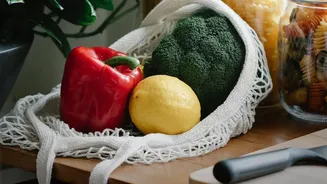
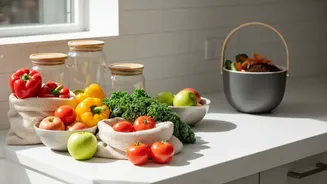
Waste reduction begins before you even start cooking. Planning your meals for the week helps ensure you buy only what you need, reducing the chance of fresh produce spoiling in the fridge. Making a shopping list and sticking to it prevents impulse purchases that often go unused. Whenever possible, buy loose fruits and vegetables instead of pre-packaged ones to avoid unnecessary plastic. Buying staples like rice, dals, and spices in bulk can also significantly cut down on packaging waste over time, provided you have the space to store them properly in airtight containers. A little foresight in the planning stage can prevent a large amount of waste later on.
Giving Scraps a Second Life
Many of the scraps we instinctively throw away can be transformed into culinary gold. Keep a bag in your freezer for vegetable peels (like carrot and potato skins), onion ends, and herb stems. Once the bag is full, you can simmer these scraps in water to create a flavourful and nutritious vegetable broth for free, perfect for using in soups, dals, and curries. Stale rotis can be toasted into crispy snacks, and leftover rice can become the base for fried rice the next day. Even citrus peels can be dried and powdered to add flavour to teas and desserts. Thinking of scraps as ingredients rather than waste unlocks a new level of creativity and resourcefulness in the kitchen.
The Final Step: Composting at Home
Even in the most efficient kitchen, some organic waste is unavoidable, like eggshells, coffee grounds, and tea leaves. Instead of sending these to the landfill, you can compost them. Composting is a natural process that turns organic matter into a nutrient-rich fertiliser—often called 'black gold'—for your plants. Urban homes have several options, even without a garden. Vermicomposting uses earthworms in a bin to break down waste quickly and without odour, making it ideal for apartments. Simple pot or bucket composting systems can also be set up on a balcony, requiring just a balance of 'green' waste (kitchen scraps) and 'brown' waste (dry leaves, cardboard). By composting, you can divert a huge portion of your household waste from landfills and close the loop on your food's life cycle.