





The Foundation: Your Rights Under the DGCA
In India, passenger rights are not just airline policy; they are legally binding regulations set by the Directorate General of Civil Aviation (DGCA). These rules are detailed in a document known as the Civil Aviation Requirements (CAR). Specifically,
CAR Section 3, Series M, Part IV outlines the facilities airlines must provide to passengers in cases of denied boarding, flight cancellations, and delays. Every airline operating in India, whether domestic or international, is required to comply. This means support is not a matter of goodwill—it is your legal right as a passenger.
Flight Delays: More Than Just a Wait
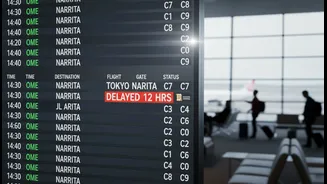
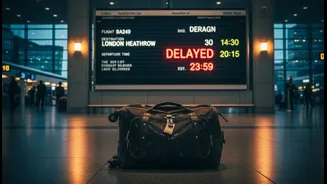
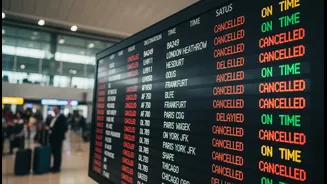
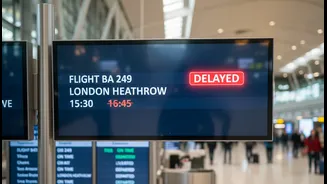
For many, the most common disruption is a delay. While frustrating, your entitlements kick in based on the length of the wait. If your flight is delayed by two hours or more, the airline is obligated to provide you with free meals and refreshments. If the delay extends to six hours or more, your rights expand significantly. At this point, the airline must offer you the choice of an alternative flight within six hours or a full refund of your ticket. For delays that stretch overnight (specifically for flights scheduled between 8 p.m. and 3 a.m. that are delayed by over six hours), airlines must provide hotel accommodation and transfers. It is crucial to note that while airlines must provide this care, flight delays in India do not entitle you to cash compensation, unlike cancellations or denied boarding.
Flight Cancellations: Notice Period is Key
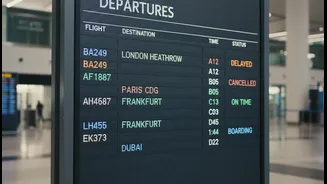
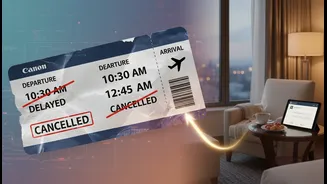
When an airline cancels your flight, your right to compensation depends on how much notice you were given. If the airline fails to inform you at least two weeks in advance, you are entitled to an alternate flight or a full refund. The situation becomes more serious if the notice is very short. If you are informed of a cancellation less than 24 hours before departure, you could be eligible for cash compensation in addition to a refund. This compensation can range from ₹5,000 to ₹10,000, depending on the block time of the flight. However, if you are informed at the airport about the cancellation, the airline must also provide meals and refreshments while you wait for an alternative.
Denied Boarding: When Overbooking Affects You
Airlines are legally allowed to overbook flights, which can lead to passengers with confirmed tickets being denied boarding. If this happens to you involuntarily, the DGCA mandates significant compensation. Before bumping anyone, the airline must first ask for volunteers. If no one volunteers, and you are denied boarding, you are entitled to compensation up to 400% of your one-way base fare plus fuel surcharge, with a maximum cap of ₹20,000. The exact amount depends on how quickly the airline can get you on an alternate flight. If the replacement flight is within 24 hours, the cap is ₹10,000. This compensation is in addition to being re-booked on the next available flight or receiving a full refund.
The 'Extraordinary Circumstances' Clause
There is a major exception to these rules: 'extraordinary circumstances'. These are situations considered beyond the airline's control, such as severe weather, political instability, security risks, or air traffic control restrictions. In these cases, the airline is not required to pay monetary compensation for cancellations or delays. However, they are still obligated to provide care. This includes offering meals, refreshments, and hotel accommodation for overnight delays, regardless of the reason. An airline cannot cite bad weather to deny you a meal during a long wait.
How to Claim Your Entitlements
To claim what you are owed, you must first approach the airline directly. Lodge a complaint with their customer service or at their airport counter. It is vital to keep all documentation, including your boarding pass, receipts for any expenses incurred, and any written communication from the airline. If the airline does not resolve your issue satisfactorily, you can escalate the complaint to the government's AirSewa portal (airsewa.gov.in), which is monitored by the DGCA. If all else fails, passengers can also file a case with a consumer court for deficiency in service.