


Beyond the Matching Set
For generations, the unspoken rule of Indian ethnic wear was harmony through matching. A saree's blouse was often cut from the same cloth or a perfectly coordinated shade. A lehenga, choli, and dupatta formed a seamless trio. But today’s fashion landscape,
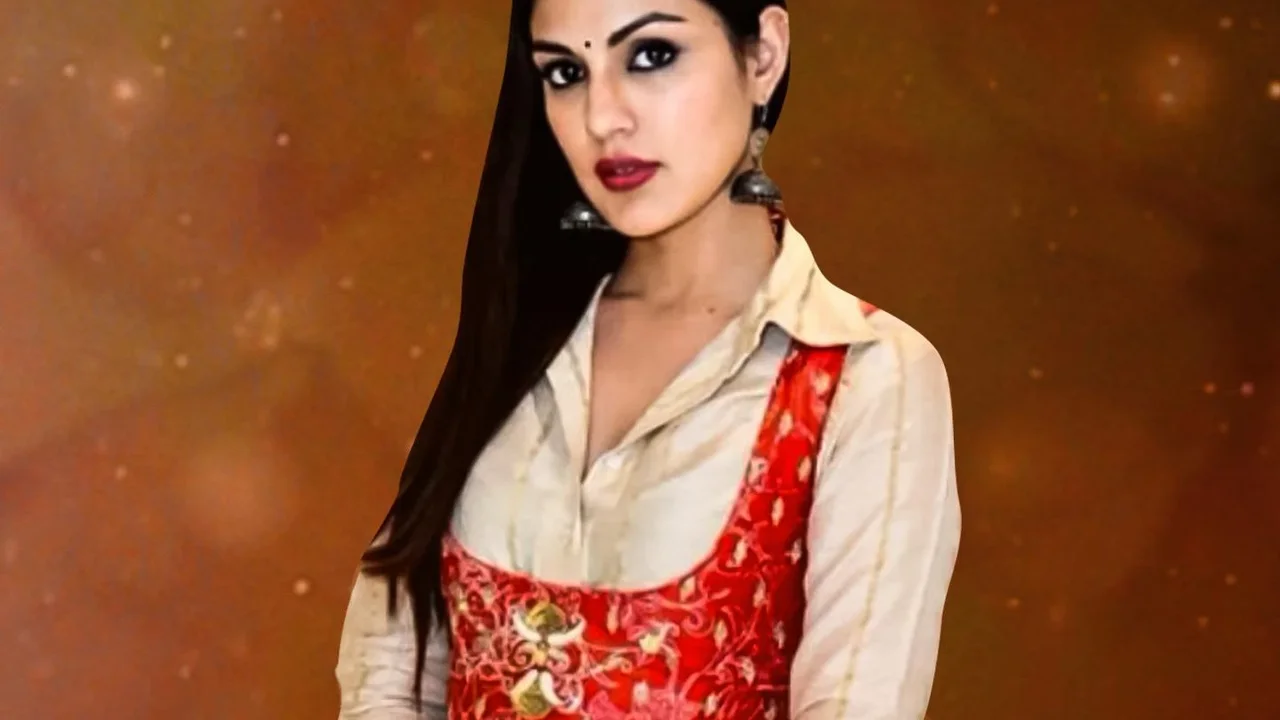
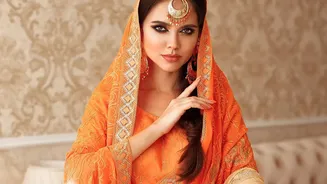
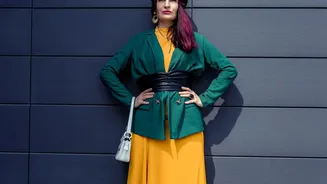
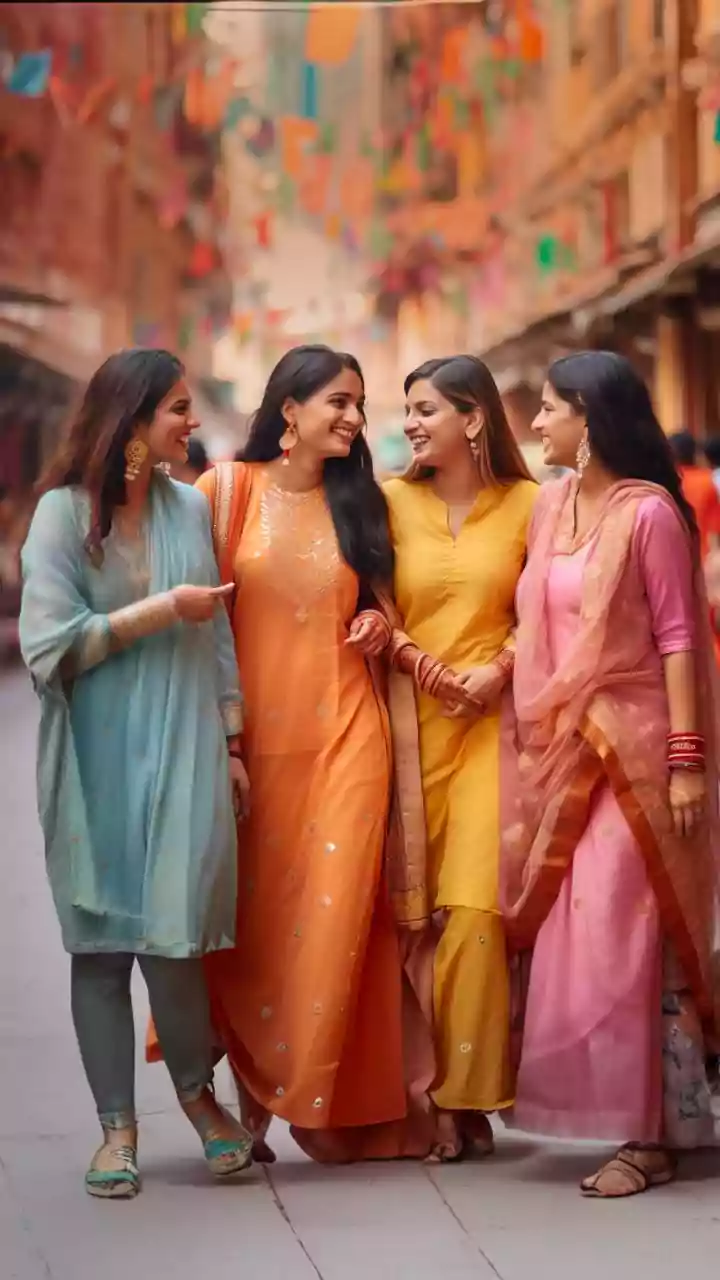
heavily influenced by Gen Z's desire for personal expression, is rewriting these rules. The new aesthetic champions contrast. Think of a fuchsia pink dupatta thrown over an emerald green lehenga, or a sunshine yellow kurta paired with royal blue palazzo pants. This isn't about clashing for shock value; it's a deliberate, confident choice to break away from monochrome predictability. This approach, known as colour blocking, uses solid, contrasting blocks of colour to create a look that is both modern and visually striking. It treats the components of an outfit—the kurta, the bottom, the dupatta—as individual canvases that come together to form a dynamic whole.
A Psychology of Confidence
The shift towards bold colour contrast is more than just a visual trend; it’s a reflection of a new mindset. Bright, saturated colours inherently command attention and exude energy, joy, and confidence. By choosing to pair, for example, a vibrant orange with a deep navy blue, the wearer makes an assertive statement. This move away from traditionally 'safe' or subdued combinations is a form of self-expression for a generation that values authenticity and isn't afraid to stand out. Wearing bold colours is an act of cultural confidence, a way to take ownership of one's heritage while infusing it with a personal, modern narrative. The trend allows individuals to move beyond simply wearing a traditional outfit and instead, actively style it, injecting their personality into every choice.
Reimagining Tradition, Not Replacing It
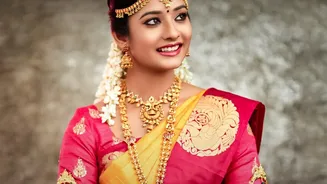
Crucially, this trend isn't a rejection of tradition but a vibrant reinterpretation of it. Many young people are pairing heirloom pieces, like their mother’s Banarasi saree, with a newly stitched, modern blouse in a completely contrasting colour. This fusion of old and new breathes fresh life into cherished garments, making them relevant for today's world. It’s a way of honouring craftsmanship while adapting it to a contemporary context. Designers are also leading the charge, showcasing collections that play with unexpected colour pairings in classic silhouettes. Names like Masaba Gupta built a brand on a quirky, pop-art sensibility, pairing bold graphics and colours in a way that feels both deeply Indian and refreshingly modern. This designer-led validation has given everyday stylists the permission to experiment fearlessly.
How to Master the Look
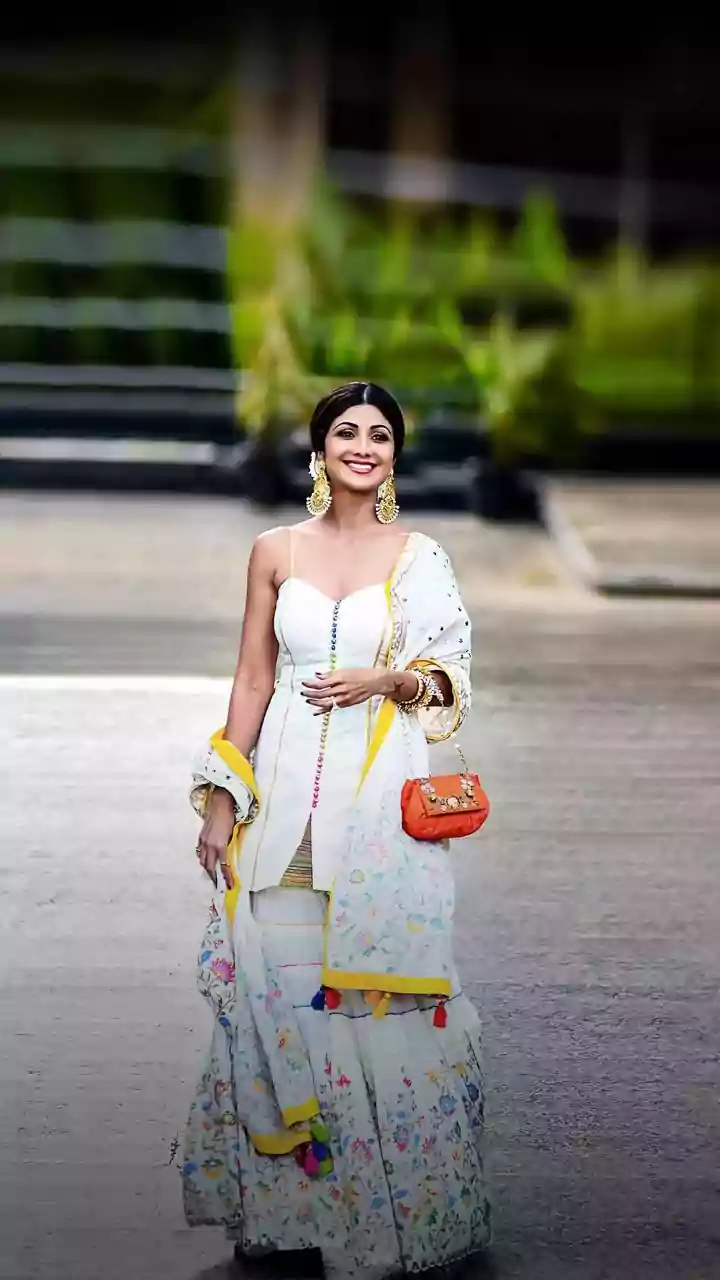
Embracing colour blocking can feel intimidating, but the principles are simple. A great way to start is by using the '60-30-10' rule, where the main garment (like a lehenga skirt or kurta) is 60% of the look, the blouse or bottom is 30%, and a dupatta or statement jewellery provides the final 10% pop of contrast. The colour wheel is your best friend. Complementary colours—those opposite each other on the wheel—create the most dramatic and high-impact looks. Classic Indian pairings like pink and green work for this exact reason. Other powerful combinations include royal blue with coral or orange, and deep purple with mustard yellow. For a slightly more subdued approach, you can pair one bright piece with a neutral. A simple ivory or black kurta, for instance, can be instantly elevated with a vibrant red or emerald green dupatta. The key is to let the colours themselves be the main event, keeping silhouettes clean and accessories minimal to avoid overwhelming the eye.