







What’s Driving the Price Spike?
The primary cause of the recent surge in oil prices is escalating geopolitical tension in the Middle East. Ongoing conflict has severely disrupted shipping through the Strait of Hormuz, a critical channel for global oil supply. Before the conflict, about
18 million barrels per day passed through the strait; that has now fallen to around 11 million. This supply constraint, coupled with warnings from Iran about potential strikes on energy infrastructure, has added a significant risk premium to crude prices, pushing Brent crude to its highest levels in weeks. Analysts note that while other producers are trying to fill the gap, the market remains volatile and sensitive to every new development in the region.
The Direct Hit: Airfare and Fuel Costs
For Indian travellers, the most immediate impact is on airfares. Aviation Turbine Fuel (ATF) is a direct by-product of crude oil, and its price moves in lockstep with global benchmarks. For Indian airlines, fuel is one of the largest operating expenses, sometimes accounting for 35-40% of their total costs. Some reports have even suggested this figure could climb higher under sustained price pressure. Following the latest surge in crude, ATF prices in India were hiked for the second consecutive month in September. Airlines are often forced to pass these increased costs onto consumers through higher ticket prices or by reducing discounts, especially as they head into the busy festive season. Some carriers have already begun rationalising routes and cutting flight frequencies to manage the financial strain.
The Ripple Effect Beyond the Airport
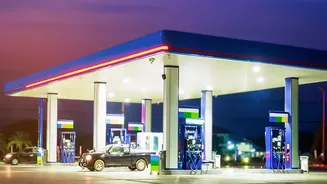
The impact isn't limited to air travel. As India imports the vast majority of its crude oil, higher global prices translate directly to more expensive petrol and diesel at the pump. This makes road trips, whether by personal car or bus, significantly costlier. The increased fuel costs also create a ripple effect across the entire travel and hospitality industry. Tour operators, cab services, and even hotels face higher transportation and operational costs, which are often passed on to the customer. This can lead to more expensive holiday packages and a general rise in travel-related expenses, potentially impacting foreign tourist arrivals as well.
How Long Will This Last?
This is the million-dollar question, and expert forecasts are mixed, hinging almost entirely on the situation in the Middle East. Some analysts believe that if the conflict continues and supply remains constrained, crude prices will stay elevated through the end of 2026. Investment banks like Goldman Sachs have raised their price forecasts, predicting Brent could end the year around $85 a barrel and average $80 in 2027, assuming disruptions continue. Other outlooks are more optimistic, suggesting that if Gulf shipping routes normalise, the market could see a surplus, potentially pushing prices back down. The U.S. Energy Information Administration (EIA) forecasts that after a high in late 2026, prices may gradually fall through 2027 as production recovers and inventories rebuild. The consensus is that travellers should brace for higher costs in the short term, with a potential for relief next year if global tensions ease.
Smart Strategies for Travellers
While you can't control global oil markets, you can adapt your travel strategy to soften the financial blow. The most effective tactic is to book flights and accommodation well in advance, as last-minute fares are likely to be the highest. Being flexible with your travel dates can also unlock significant savings. For domestic travel, consider the train, which remains one of India's most economical modes of transport for long distances. If you're planning a road trip, focus on fuel efficiency by ensuring your vehicle is well-maintained and by planning shorter journeys to destinations within a 200-300 km range. Comparing prices across different airlines and travel portals is more crucial than ever to ensure you're getting the best possible deal in a volatile market.