






The Deception of 'October Heat'
Post-monsoon weather across many parts of India is a unique challenge. Unlike the dry heat of May and June, October often brings high humidity. This is because the retreating monsoon leaves behind significant moisture in the atmosphere. When temperatures
rise, the air becomes saturated with this moisture, creating a sweltering, oppressive environment that feels even hotter than the thermometer suggests. This combination drains energy and poses specific health risks, including dehydration and heat exhaustion. Many people are caught off guard, assuming the worst of the summer heat is over, but this humid heat requires a different approach to staying safe and healthy.
When Your Body's Cooling System Fails
Our bodies have a natural air conditioner: sweating. When we get hot, we perspire, and as that sweat evaporates from our skin, it takes heat with it, cooling us down. However, this system breaks down in high humidity. When the air is already full of water vapor, your sweat cannot evaporate effectively. It just sits on your skin, leading to that sticky, clammy feeling. In response, your body works even harder to cool down by producing even more sweat. The result is a dangerous cycle: you sweat profusely, losing large amounts of fluid and vital minerals, without getting the cooling relief your body needs. This accelerated fluid loss can quickly lead to dehydration.
The Hidden Danger of Too Much Plain Water
When you are sweating heavily, you lose more than just water. Your sweat contains crucial minerals called electrolytes, such as sodium, potassium, and magnesium. These electrolytes are essential for nerve function, muscle contractions, and maintaining your body's fluid balance. If you only replenish with plain water, you risk diluting the concentration of these essential minerals in your blood. This can lead to a dangerous condition called hyponatremia, or low sodium levels. Symptoms can range from nausea and headaches to confusion and muscle cramps, which can sometimes be mistaken for simple dehydration. For this reason, exclusively drinking large quantities of plain water during intense, prolonged sweating in humid conditions can be counterproductive.
Smarter Ways to Rehydrate
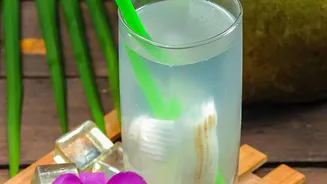
Proper hydration in humid heat is about replacing both fluids and electrolytes. While commercial sports drinks or an Oral Rehydration Solution (ORS) from a pharmacy are effective, many excellent options can be found right in your kitchen. Coconut water is a fantastic natural source of potassium and other electrolytes. A simple glass of nimbu pani (lemon water) with a pinch of salt and sugar provides a great balance of fluids, sodium, and carbohydrates for energy. Other traditional Indian drinks like buttermilk (chaas) are also excellent for cooling the body and restoring balance. Furthermore, incorporating water-rich foods into your diet, such as cucumber, watermelon, and oranges, can significantly contribute to your overall hydration and electrolyte intake.
Listen to Your Body's Warning Signs
It's important to recognise the signals of an electrolyte imbalance, which can be more severe than simple thirst. Key symptoms to watch for include persistent muscle cramps or weakness, dizziness or lightheadedness, headaches, nausea, and extreme fatigue that doesn't improve with rest. While thirst is a primary indicator of dehydration, it isn't always reliable, especially for children or during physical activity. If you experience more severe symptoms like confusion, a racing heartbeat, or fainting, it is crucial to seek medical attention, as these could be signs of serious heat-related illness or a significant electrolyte disturbance.