








The craving for a crunchy, satisfying snack is universal. For decades, popcorn has been the undisputed champion of guilt-free munching. But what if a homegrown hero offers even more? Enter puffed ragi, a traditional powerhouse stepping up to the plate.
The Global Star vs. The Ancient Grain
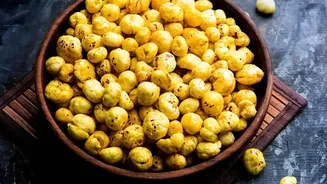
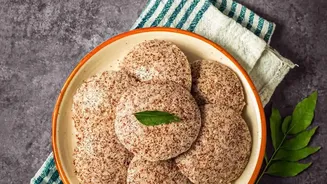
Popcorn needs no introduction. It's a beloved whole-grain snack enjoyed globally, from movie theatres to living rooms. Made from maize (corn) kernels that expand when heated, its appeal lies in its simplicity and satisfying crunch. On the other side, we have ragi, also known as finger millet. This ancient grain has been a staple in Indian households for centuries, revered for its resilience and dense nutritional profile. While traditionally used to make porridge, rotis, and dosas, ragi is now finding a modern avatar as a light, airy snack: puffed ragi, or ragi pops. This sets the stage for a classic showdown between a familiar favourite and a nutritious challenger.
A Nutritional Deep Dive
When prepared without excessive butter and salt, air-popped popcorn is a genuinely healthy option. It's a fantastic source of dietary fibre, which is crucial for digestive health and can help you feel full longer. Popcorn also contains beneficial polyphenol antioxidants. However, ragi brings its own impressive credentials. It is exceptionally rich in calcium, containing significantly more than most other cereals. It's also packed with iron, essential amino acids, and fibre. For those looking to manage blood sugar, ragi has a lower glycemic index compared to many refined grains, which aids in preventing sharp spikes in glucose levels. While popcorn is a healthy whole grain, ragi offers a more diverse and dense nutrient package, especially in terms of minerals like calcium and iron.
The Taste and Texture Test
Taste is subjective, but the differences here are distinct. Popcorn has a light, airy texture and a neutral, slightly sweet flavour that makes it a perfect canvas for seasonings, from simple salt to elaborate caramel or cheese coatings. Puffed ragi offers a different experience. It has a finer, more delicate crunch, closer to puffed rice but denser. The flavour is distinctly earthy and nutty, a characteristic of the millet itself. This unique taste profile works wonderfully with traditional Indian spices like chaat masala, turmeric, and cumin, but can also be paired with jaggery or dark chocolate for a sweet treat.
Making Your Own Ragi Pops at Home
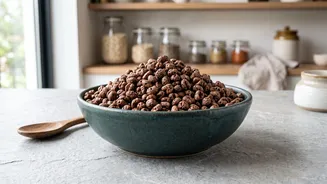
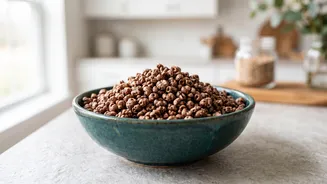
This is where the 'Focus On At-Home Ragi Pops' comes into play. While popcorn is famously easy to make, creating puffed ragi from scratch is a rewarding process that gives you complete control over the final product. The most effective method doesn't involve flour, but the whole ragi grains. First, thoroughly wash and soak the ragi grains overnight. The next day, drain the water completely and spread the grains on a clean cloth to dry for several hours, until they are no longer wet to the touch. Once dry, you can puff them. Heat a heavy-bottomed kadai or pan on high heat. Add a batch of the dried ragi grains and stir them continuously. In a few minutes, you will hear them start to pop, much like popcorn, though on a much smaller scale. Once the popping subsides, remove them from the pan to prevent burning. Let them cool completely before storing in an airtight container.
How to Enjoy Your Homemade Snack
Your homemade ragi pops are now ready to be enjoyed. For a simple savoury snack, toss them with a pinch of salt, red chilli powder, and chaat masala. You can also create a more elaborate 'bhel' by adding finely chopped onions, tomatoes, coriander, and a squeeze of lime juice. For a healthy trail mix, combine the puffed ragi with roasted peanuts, coconut flakes, and a few raisins. If you have a sweet tooth, melt some jaggery or dark chocolate and coat the pops for a crunchy, guilt-free dessert. Their versatility makes them a fantastic addition to your pantry, perfect for topping yoghurt, salads, or just eating by the handful.