


Ignoring Conditions-Specific Squad Selection
A recurring theme in India’s recent ICC tournament exits has been a failure to adapt squad composition to the host conditions. While a spin-heavy attack works wonders on the subcontinent, the pacy, bouncy pitches of South Africa demand a different arsenal.
The 2027 campaign cannot be won with a team built for home comforts. Management must prioritize selecting players who have proven themselves in similar overseas conditions. This means identifying and backing fast bowlers who can exploit the extra bounce and batters who possess the technique to handle seam movement. Building a squad with specialists for South African conditions, rather than relying on the same formula that succeeds in India, is paramount. Recent reports indicate that several South African venues are preparing new drop-in pitches, which could further alter the playing surfaces. This uncertainty makes it even more critical to build a versatile squad with a strong pace battery and technically sound batters who are adaptable. The planning needs to start now, with tours and selection choices reflecting the end goal.
Persisting with a Fragile Middle Order
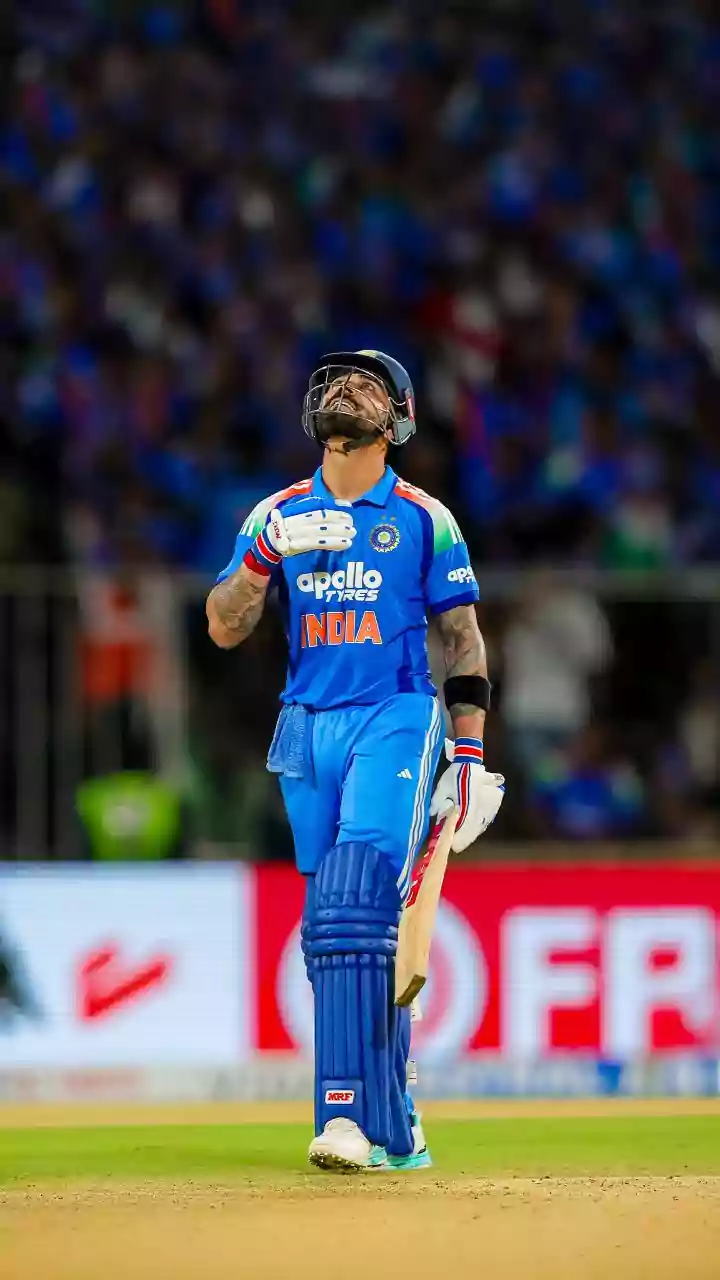
For years, India’s ODI strategy has been heavily reliant on its top-order batters. While having world-class players at the top is a strength, it has often created a brittle middle order that struggles under pressure when the openers fail. This was evident in the 2019 World Cup semi-final and has been a talking point in other knockout games. To succeed in 2027, India needs to move away from this top-heavy dependence and build a robust middle order with clearly defined roles. The team requires finishers who can absorb pressure and accelerate at the death, and middle-order anchors who can rebuild an innings after early losses. This issue has been acknowledged for years, with a lack of consistent opportunities and role clarity for players batting at numbers four, five, and six. Investing in and grooming players for these specific, high-pressure roles will provide the batting depth necessary to survive the tough phases of a knockout match, something that has been missing in crucial encounters.
Failing to Conquer Knockout Stage Nerves
Since winning the Champions Trophy in 2013, India has repeatedly faltered in the semi-finals or finals of ICC events. After dominating group stages, the team often plays conservatively in high-stakes knockout matches, a stark contrast to their free-flowing cricket earlier in the tournaments. This pattern points to a psychological barrier and an inability to handle the immense pressure of do-or-die games. To overcome this, the team culture needs to foster a fearless brand of cricket, even when the trophy is on the line. Players and leadership must shed the "fear of failure" that seems to grip them at the final hurdles. Experts have noted that successful teams, like Australia, often play their most aggressive cricket when under pressure, a trait India has struggled to adopt. The 2023 final was a prime example, where after a dominant run, the team seemed to retreat into a shell. Building mental resilience and maintaining an attacking mindset, regardless of the match situation, is not just a tactical adjustment but a necessary cultural shift to finally end the long wait for an ICC trophy.