


The Age of Fusion Confusion
We’ve all seen them on a menu: Butter Chicken Pasta, Tandoori Pizza, Gulab Jamun Cheesecake. For a time, these dishes felt exciting, a playful collision of cultures on a plate. But what started as innovation often descended into what can only be described
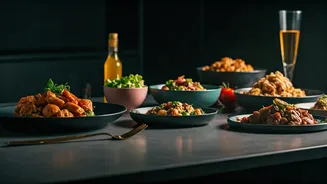
as 'fusion confusion'. The problem arises when fusion feels forced, a marketing gimmick rather than a thoughtful culinary creation. Too often, it involves slapping two popular items together or, worse, adding cheese to everything and calling it a 'twist'. This approach can lead to dishes that lack a clear identity, burying the soul of the original flavours under a pile of trendy but mismatched ingredients. Critics argue that this kind of cooking shows a lazy mind, a derivative approach that fails to better the original dish in any meaningful way. The result is often a chaotic plate that confuses the palate more than it delights.
A Growing Appetite for Authenticity
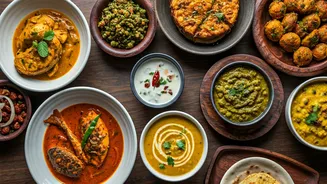
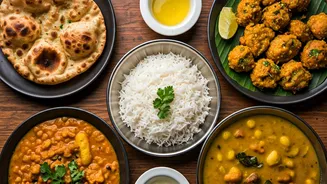
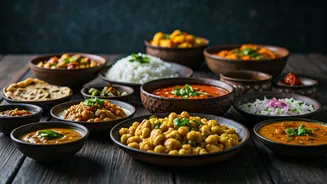
In response, a powerful counter-movement is reshaping India's food scene. Diners are becoming more curious, well-travelled, and discerning. They are no longer content with a generic 'Indian curry'. Instead, they want to know the story behind their food: the region it comes from, the community that perfected it, and the unique ingredients that make it special. This search for authenticity has ignited a renaissance in regional Indian cuisine. Food lovers are realising that 'Indian food' isn't a monolith but a breathtakingly diverse collection of cuisines. Each state, region, and even district has its own unique culinary heritage, shaped by climate, history, and local produce. This growing curiosity is driving a rediscovery of India's vast and varied culinary map.
The Champions of Regionality
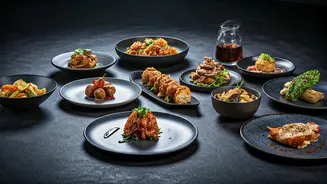
A new wave of chefs and restaurateurs are leading this charge, acting as cultural custodians of India's edible heritage. Chefs like Manish Mehrotra, Vikas Khanna, Ritu Dalmia, and the late Floyd Cardoz have championed regional and forgotten recipes, bringing them from home kitchens to the fine-dining forefront. Restaurants are now proudly showcasing specific cuisines, from the coastal delicacies of Kerala and Goa to the robust flavours of Punjab and the subtle complexities of Bengal. For example, at Kappa Chakka Kandhari in Chennai, Chef Regi Mathew offers a distinct taste of Keralan cuisine, while in Mumbai, The Bombay Canteen reimagines regional classics using local ingredients. These establishments offer more than just a meal; they provide a cultural immersion, celebrating the stories, techniques, and traditions simmering in every dish.
Diving Deeper: The Hyper-Local Movement
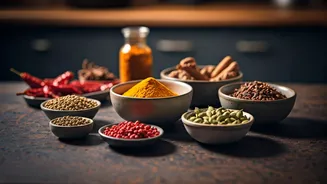
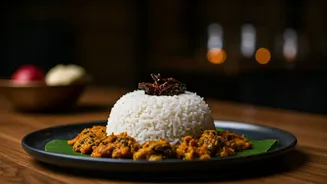
The trend goes even deeper than just regionality; it's becoming 'hyper-local'. This isn't just about North or South Indian; it's about the micro-cuisines of specific communities and sub-regions. Think of the difference between a fiery Goan Vindaloo, with its Portuguese roots, and the Saraswat Brahmin cuisine from the same state. It’s about discovering dishes like Nga Atoiba Thongba, a celebratory fish curry from the Meitei community, or the Warli tribe's Tarwadi Bhaat, a one-pot meal of rice, lentils, and wild herbs. This movement celebrates biodiversity, ancient grains, and ingredients foraged from the local environment, creating a dining experience that is truly rooted in a specific place and its people.
When Fusion Actually Works
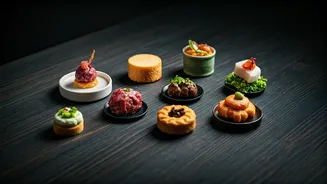
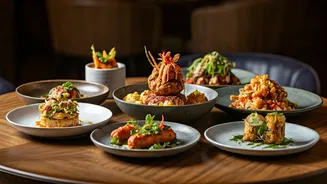
This isn't to say all fusion is bad. In fact, Indian cuisine has always evolved through cultural exchange. Thoughtful fusion, or 'modern Indian' as it's often called, can be brilliant. It succeeds when a chef deeply understands and respects the traditions they are working with. The goal is to enhance, not erase, the original flavours. Chef Manish Mehrotra, for instance, has been lauded for his ability to elevate regional dishes with a contemporary twist that feels both innovative and rooted. A Sarson Ka Saag Taco might work because it cleverly unites the maize of Punjab and South America. Good fusion tells a coherent story; bad fusion just creates noise. The difference lies in intent: is it a gimmick for social media, or a genuine, respectful exploration of flavour?