






The Soundtrack Nobody Asked For
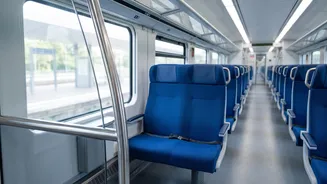
The rise of smartphones and an endless stream of short-form video content has changed the soundscape of public spaces, and nowhere is this more apparent than on an Indian Railways train. While a journey can be a time for relaxation or catching up on work,
it is increasingly being interrupted by the noise of Reels, videos, and loud phone conversations played without earphones. This behaviour, often seen as a lack of civic sense, has become a significant source of complaints from passengers. In response to a growing number of grievances filed through official channels like the Rail Madad portal, railway authorities are renewing their focus on enforcing travel etiquette. Zones like the Southern, Northern, and Western Railways have recently issued directives to tackle the issue head-on, signalling a shift from passive annoyance to active enforcement.
What the Rulebook Actually Says
The action against loud audio is not based on a new law, but on stricter enforcement of existing regulations. The key provision is Section 145 of the Railways Act, 1989. This section deals with drunkenness and nuisance. It states that if a passenger persists in any nuisance, is obscene or abusive, or interferes with the comfort of other passengers, they can be removed from the railway by any railway servant. Recent circulars from various railway zones specifically mention that playing media on speaker mode falls under this category of 'nuisance'. The legal backing for this renewed push was strengthened by the Jan Vishwas (Amendment of Provisions) Act, which has enabled authorities to be more assertive in penalising such behaviour. Railway officials are now being instructed to educate passengers first but take sterner action if the warnings are ignored.
The Fine: Up to Rs 1,000 and More
The headline-grabbing figure of Rs 1,000 is the penalty for a first-time offence under the updated interpretation of Section 145. If a passenger is found causing a disturbance by playing loud media or talking loudly on the phone, they can be fined and may also be removed from the train and have their ticket forfeited. However, the penalties can escalate significantly for repeat offenders. If a passenger continues the nuisance despite being warned by a railway official, they can face imprisonment for a term of up to six months, a higher fine that can extend to Rs 5,000, or both. This tiered penalty system is designed to act as a strong deterrent, encouraging passengers to be more considerate from the outset.
Who Enforces the Rule and How to Complain
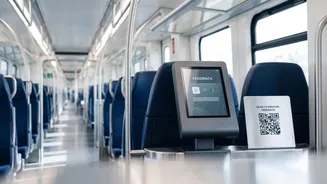
Authorised railway staff, including Ticket Checking staff (TTEs), have been empowered to take action against violators. Their first step is usually to advise the passenger and raise awareness about the rule. If the behaviour continues, they can then impose the fine. However, enforcement also relies on passengers reporting such incidents. If you find yourself disturbed by a fellow traveller, you have several options. You can report the issue directly to the TTE on board or to the Railway Protection Force (RPF). For a more formal approach, passengers can file a complaint through the Rail Madad portal or by calling the helpline number 139. Providing details like the PNR number and coach location helps authorities address the complaint swiftly.
Beyond Reels: A Broader Code of Conduct
The crackdown on loud audio is part of a larger effort to promote better travel etiquette on trains. The rules against causing a nuisance are broad and cover more than just phone speakers. This includes talking loudly on phone calls, especially late at night in sleeper coaches, or engaging in behaviour that unreasonably disturbs others. Railways had issued advisories on mobile etiquette as early as 2012, but the recent push indicates a more serious commitment to enforcement. While some passenger associations welcome the move, they have also raised concerns about whether the railways have enough manpower to enforce these rules consistently across its vast network. Ultimately, the success of this initiative will depend on a combination of official action and a collective shift in passenger behaviour towards greater consideration for those sharing the journey.