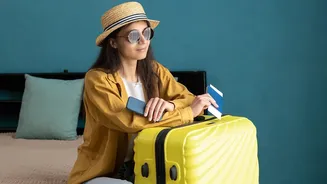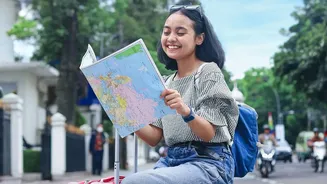








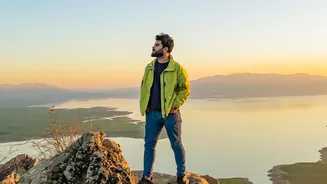
The idea of saving up all year for one big holiday is fading. A new generation of travellers, led by Gen Z, is rewriting the rules, favouring a string of short, spontaneous getaways over the traditional two-week annual vacation.
The Rise of the Micro-Cation
Forget waiting for that
one big trip. For many young Indians, travel is no longer a rare event but a regular habit. This shift is fuelling the rise of the 'micro-cation'—a short, purposeful trip lasting two to four days, often planned around a weekend. An Airbnb report found that seven in ten Gen Z travellers in India would rather take three short holidays than one long one, with a staggering 87% preferring trips that last under a week. This isn't about compressing a long holiday into a few days; it's a completely different travel philosophy built on frequency, flexibility, and spontaneity.
Driven by Budgets and Burnout
Practical realities are a major force behind this trend. For a generation navigating a challenging economic landscape, spreading a travel budget across several smaller trips is more manageable than funding one expensive blowout holiday. Short trips to domestic destinations simply cost less. But it's not just about money; it’s also about mental wellbeing. In an always-on work culture, professional burnout is a real concern. Weekend getaways serve as a crucial pressure-release valve, offering a quick reset without the logistical headache of planning a long absence from work. These short breaks are seen less as a luxury and more as a necessary coping mechanism.
An Anti-Itinerary Approach
Unlike the meticulously planned vacations of previous generations, Gen Z travels with a different mindset. They are the 'anti-itinerary' generation. For them, travel is an expression of their identity, and they prioritise personal taste over popular tourist traps. The goal is often not to see everything but to feel something. In fact, one survey revealed that two in three young travellers take trips with the explicit intention of doing nothing at all—just resting and taking slow days. They might leave large parts of their schedule open for spontaneous discovery, valuing small, authentic moments like exploring a local market more than visiting a famous landmark.
The Social Media Influence
The influence of social media cannot be understated. Platforms like Instagram and TikTok have made discovering new destinations easier than ever, creating a constant stream of travel inspiration. A quick, visually appealing weekend trip to a unique spot makes for great, shareable content. This creates a powerful feedback loop: seeing friends' weekend adventures online inspires more people to book their own. However, the goal isn't just to replicate what's seen online. For Gen Z, travel is deeply personal, with 92% saying it's important that their choice of destination reflects their own taste, not just a popular trend.
How the Travel Industry Is Responding
The travel and hospitality industries are taking note and adapting quickly. Hotels, hostel chains, and airlines are increasingly catering to this demand for short, flexible, and affordable travel. We're seeing a rise in weekend packages, flexible booking options, and accommodations that cater to the 'book late, stay two nights' traveller. Hostel chains, in particular, have built their model around this demographic, offering affordable stays and social spaces. The focus is shifting from selling a long, all-inclusive package to facilitating frequent, experience-rich escapes that fit into the modern rhythm of life.