






A Truly Breathable Rain Jacket
This is your primary shield. Forget basic ponchos that trap sweat and can snag on dense trails. The key in a humid climate like the Ghats is balancing waterproofing and breathability. Look for a jacket with a good Hydrostatic Head (HH) rating (over 10,000mm
is reliable for sustained rain) and a Moisture Vapour Transmission Rate (MVTR) that lets sweat escape (look for ratings over 15,000g/m²/24hr). Features like pit zips (underarm vents), sealed seams, and an adjustable hood are non-negotiable. These allow for mechanical ventilation, which is critical when high humidity reduces a fabric's natural breathability. A good jacket keeps rain out and prevents you from getting soaked from the inside out.
Quick-Dry Trekking Pants
While waterproof pants seem logical, they can be incredibly sweaty and uncomfortable during active, humid treks. A better strategy for most days is to wear lightweight, synthetic, quick-dry trekking pants. Unlike cotton, which absorbs moisture and becomes heavy, synthetics like nylon or polyester dry quickly, often just from your body heat. They offer protection from leeches, insects, and thorny bushes, which shorts do not. For torrential downpours or at camp, you can carry a pair of ultralight waterproof over-pants as an extra layer, but for the actual hiking, breathable, quick-dry pants are far more practical.
The Two-Part Backpack Strategy
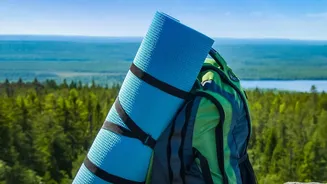
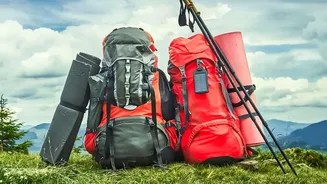
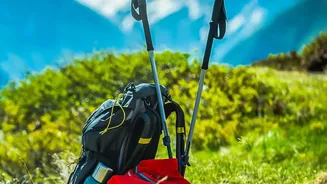
Keeping your gear dry is paramount, especially your sleeping bag and spare clothes. Relying on just one method is a mistake. The best approach combines an external rain cover with internal waterproofing. First, use a properly-sized rain cover that cinches tightly around your pack. This is your first line of defense. Second, and more importantly, line the inside of your backpack with waterproof dry sacks or a large, durable pack liner. Organize your gear into separate dry sacks: one for electronics, one for dry clothes, and one for your sleeping bag. This double-barrier system ensures that even if your main pack gets damp, your essentials remain completely dry.
Waterproof Boots with Serious Grip
The trails in the Ghats become a mix of slippery rock, slick roots, and deep mud. Your footwear is your foundation for safety and comfort. Choose mid or high-ankle waterproof hiking boots for support and to prevent water from splashing in. The waterproofing will keep your feet dry from the outside, but the most crucial feature is the outsole. Look for boots with deep, aggressive lugs that provide excellent traction on varied, wet terrain. Good grip can prevent dangerous slips and falls, which are common hazards on monsoon treks. Always break in new shoes before a long trek to avoid blisters.
Gaiters: The Unsung Heroes
Gaiters are protective sleeves that cover the gap between your pants and your boots. In the Western Ghats, they are invaluable. They serve multiple purposes: they stop water, mud, and small stones from entering the top of your boots, keeping your feet drier and cleaner. They protect your lower legs from scratches and, crucially, act as a barrier against leeches, which are abundant in the monsoon undergrowth. Look for a waterproof, breathable pair that fits snugly over your boots and around your calves. This small piece of gear makes a massive difference in overall comfort and protection.