





A Gift That Connects Us to Nature
At its heart, a potted plant is more than just a decorative item; it's a living thing. This simple fact taps into a deep-seated human need to connect with nature, a concept known as the biophilia hypothesis. This idea, popularized by biologist E.O. Wilson,
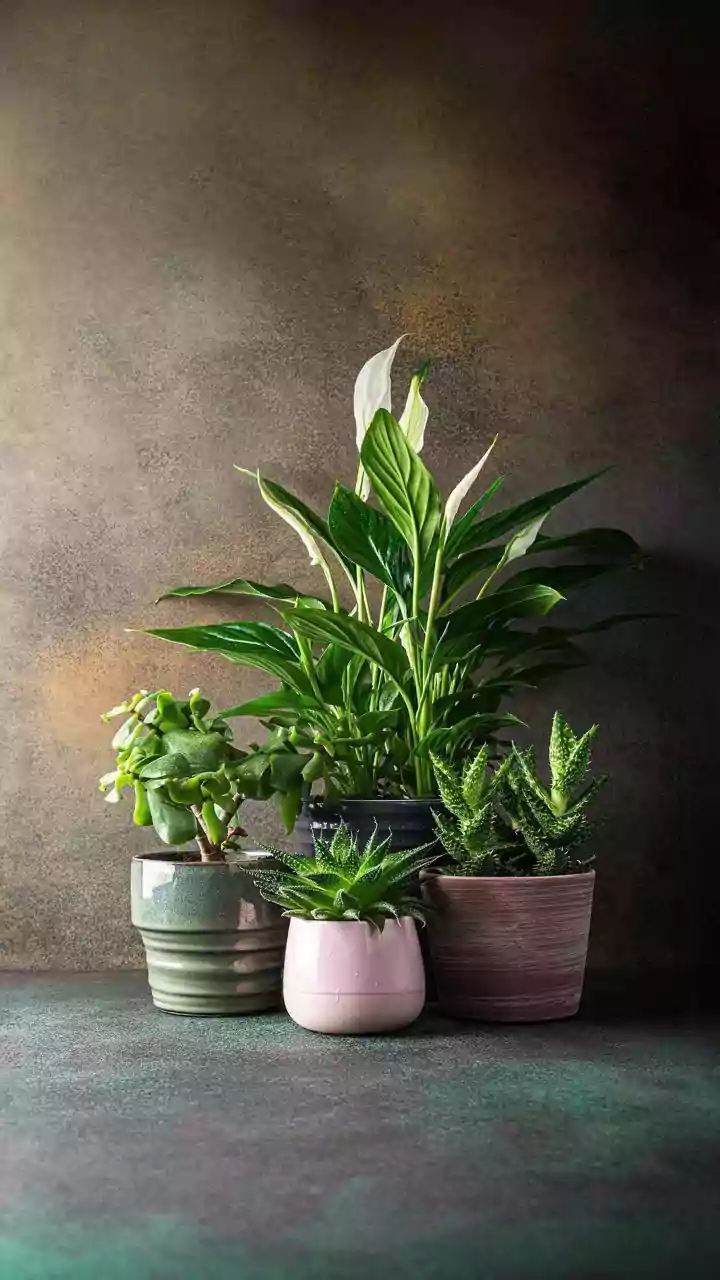
suggests we have an innate tendency to seek connections with life and lifelike processes. Receiving a plant brings a piece of the natural world into our homes and workspaces. Studies have consistently shown that interacting with indoor plants can reduce stress and anxiety, fostering a sense of calm and well-being. A plastic gift, no matter how intricate, is static. It doesn't grow, breathe, or change. Its emotional impact is often front-loaded into the moment of unboxing and can diminish over time. A plant, however, offers a continuous, gentle interaction that nurtures both the plant and its caretaker.
The Lasting Value of Growth and Care
One of the most profound differences between a living plant and a mass-produced plastic item is the concept of longevity. A plastic toy or decorative object often has a limited lifespan before it breaks, becomes obsolete, or simply falls out of favour, frequently ending up in a landfill. A plant, on the other hand, is a gift of potential. With a little water, light, and attention, it grows and evolves. This process of nurturing something and watching it thrive provides a unique and ongoing sense of accomplishment and connection. It becomes a symbol of the relationship itself—something that, with care, can flourish over time. Each new leaf or flower serves as a quiet reminder of the person who gave it, extending the emotional resonance far beyond the initial act of giving.
The Unspoken Message of Thoughtfulness
Choosing a gift is an act of communication. An eco-hamper curated with a potted plant sends a powerful message of care and intention. It says, “I thought about your well-being and our shared environment.” This contrasts sharply with the often impersonal nature of many plastic gifts, which can be seen as convenient or impulsive choices. The trend towards sustainable gifting in India reflects a broader shift in consumer values, where purpose and environmental consciousness are becoming just as important as the item itself. A thoughtfully assembled eco-hamper, perhaps including organic products or handmade items alongside a plant, shows a deeper level of consideration for the recipient's values and lifestyle.
Beyond the Moment of Unwrapping
The joy of a plastic gift often peaks during the unboxing and quickly fades. The experience is temporary. A living plant offers a different kind of reward: a sustained, gentle engagement. The simple, mindful act of watering a plant or noticing its daily changes can become a calming ritual. It provides small but consistent moments of pleasure and grounding in a busy life. This long-term interaction creates a much deeper emotional bond with the gift than a passive object ever could. It’s the difference between a fleeting moment of excitement and a lasting source of quiet joy and responsibility.
The Hidden Cost of Plastic
While the focus is on emotional value, it's impossible to ignore the environmental context. An estimated 90% of toys on the market are made of plastic, contributing significantly to household waste and pollution. These items require fossil fuels for production and release greenhouse gases as they break down over centuries. Opting for an eco-friendly gift like a plant avoids contributing to this cycle. This conscious choice enhances the positive emotional value of the gift. It feels good to give something that aligns with a desire for a healthier planet, creating a sense of shared values between the giver and the recipient. This act of mindful consumption is, in itself, a gift to the future.