





Essential Ingredients for a Soft Dough
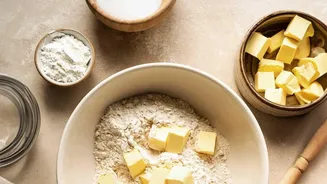
The foundation of a great naan is a well-balanced set of ingredients. For a no-yeast version, which is quick and reliable, you will need all-purpose flour (maida), plain yogurt, a little sugar, salt, baking powder, and baking soda. The yogurt is crucial;
it reacts with the baking soda to create a light, airy texture and provides a subtle tang. Warm milk or water helps bring everything together into a soft, pliable dough. A touch of oil or ghee incorporated into the dough ensures it remains soft and doesn't dry out. While some recipes use yeast, a combination of yogurt and chemical leaveners like baking powder offers a fantastic, quicker alternative for home cooks.
Mixing and Kneading to Perfection
Start by combining your dry ingredients—flour, salt, sugar, baking powder, and baking soda—in a large bowl. Sifting them together helps ensure the leavening agents are evenly distributed. Next, make a well in the center and add the wet ingredients: yogurt and oil. Begin to mix everything, gradually adding warm water or milk until a shaggy dough forms. Now comes the most important part: kneading. Turn the dough out onto a lightly floured surface and knead for about 8-10 minutes. The goal is a dough that is smooth, soft, and elastic, but not sticky. Proper kneading develops the gluten, which is essential for that signature chewy texture. If the dough feels too tight, it can lead to hard naan.
The Crucial Resting Period
Once your dough is perfectly kneaded, it needs to rest. This step is non-negotiable for soft naan. Place the dough in a lightly oiled bowl, cover it with a damp cloth or plastic wrap, and set it in a warm, draft-free spot for at least one to two hours. For yeast-free recipes, this allows the gluten to relax, making the dough easier to roll out. It also gives the baking powder and yogurt time to work their magic, creating tiny air pockets that will help the naan puff up beautifully during cooking. Though the dough may not double in size like a yeasted dough, you will notice it has become visibly softer and slightly risen.
Incorporating the Garlic Flavor
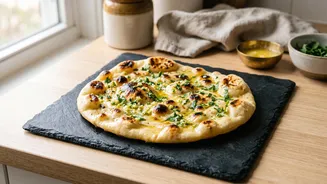
For that irresistible garlic flavor, you have two main options. The first is to knead finely minced garlic directly into the dough along with the other ingredients. This infuses the entire bread with a mellow garlic taste. For a more potent and aromatic experience, which is common in restaurants, you can press minced garlic and chopped coriander onto the surface of the rolled-out dough just before cooking. Gently press the toppings into the dough with a rolling pin to ensure they stick. This method gives you a fragrant, garlicky crust. For the ultimate garlic naan, do both: add some garlic to the dough and more on top.
Dividing and Shaping for the Tawa
After the dough has rested, gently punch it down and divide it into equal-sized balls, typically 6 to 8 depending on your preferred naan size. Let these balls rest for another 5-10 minutes to make them even easier to handle. On a lightly floured surface, take one ball and roll it into the classic oval or teardrop shape, about a quarter-inch thick. Try not to roll it too thin, as a medium thickness helps the naan puff up properly and remain soft. Before placing it on the tawa, it is a good practice to brush one side of the naan with water. This helps it stick to the hot tawa, a key trick for getting a tandoor-like effect on the stovetop.