


Why Monsoon Demands Extra Caution
The magic of the monsoon—cool breezes and lush greenery—also brings challenges to our kitchens. High humidity and dampness accelerate spoilage, making vegetables rot quicker. The rain and waterlogged soil increase the risk of contamination from bacteria,
fungi, and pests. Leafy greens and vegetables with complex surfaces can trap dirt and tiny worms, which are more prevalent this season. This doesn't mean you have to give up on fresh produce; it just means you need to be a more discerning shopper. Understanding these risks is the first step toward ensuring the vegetables you buy are safe and healthy for your family.
Favour Hardy and Seasonal Gourds
During the rainy season, your best friends are vegetables with thick skins and low water content. Gourds are an excellent choice. Varieties like bottle gourd (lauki), ridge gourd (turai), bitter gourd (karela), pointed gourd (parwal), and snake gourd (padwal) are less susceptible to spoilage. Their robust nature protects them from the excess moisture in the air. Other smart choices include pumpkin (kaddu), sweet potatoes, and yams, which have a longer shelf life. These vegetables are not only safer to consume but are also packed with essential nutrients that help boost immunity, which is crucial during a season known for infections.
Be Selective with Leafy and Cruciferous Veggies
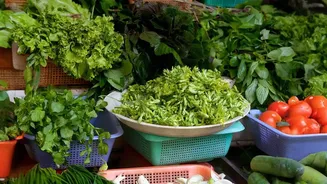
Health experts often advise caution with leafy greens like spinach and cabbage during the monsoon. The damp, overlapping leaves are an ideal hiding place for dirt, germs, and worms, making them difficult to clean thoroughly. Similarly, cruciferous vegetables like cauliflower and broccoli, with their tightly packed florets, can trap moisture and microbes, increasing the risk of bacterial growth. If you do decide to buy them, inspect them with extreme care. Look for any holes, wilting, or slimy patches. It is highly recommended to cook these vegetables thoroughly rather than consuming them raw in salads.
A Sensory Checklist for Freshness
Your senses are your best tools when shopping for produce. First, look closely. Avoid vegetables with visible cuts, bruises, mold, or unnatural-looking spots. Fresh produce should have a vibrant, healthy colour. Next, use your sense of touch. Vegetables should feel firm and heavy for their size, not soft, mushy, or spongy. A limp or wilting appearance is a clear sign that the vegetable is old. Finally, smell it. Fresh vegetables have a mild, earthy scent. If you detect a sour, foul, or chemical-like odour, it's a definite red flag. Trust your instincts—if something seems off, it probably is.
The Post-Purchase Cleaning Ritual
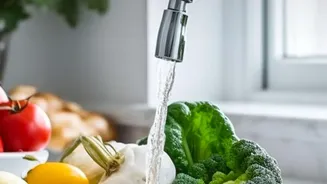
Bringing fresh vegetables home is only half the battle; cleaning them properly is essential for safety. Begin by washing them under clean, running water to remove loose dirt. For an extra layer of cleaning, you can soak vegetables in a bowl of water with a bit of salt or vinegar for about 10-15 minutes, which helps kill surface bacteria. Use a soft brush for firm produce like potatoes or gourds to scrub away any remaining soil. After washing, it's crucial to dry the vegetables completely with a clean cloth or paper towel before storing them. Trapped moisture is the primary cause of rapid decay in the refrigerator.
Smart Storage for a Longer Shelf Life
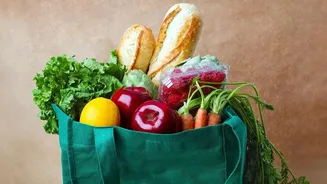
How you store your vegetables can significantly impact their freshness, especially in the humid monsoon climate. Avoid storing vegetables in plastic bags, as they trap moisture and accelerate rotting. Instead, use cloth or net bags that allow air to circulate. It's best to store most vegetables in the refrigerator to slow down spoilage. However, items like onions and potatoes should be kept in a cool, dry, and dark place. To prevent cross-contamination, always keep raw vegetables separate from cooked food. Also, make it a habit to clean your refrigerator regularly to prevent the growth of mold and bacteria.