





The Great Carbohydrate Transformation
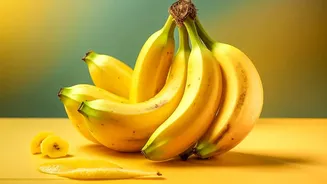
The most significant difference between a green and a yellow banana lies in its carbohydrate composition. A banana's journey from green to yellow is a story of chemical transformation. When a banana is green and unripe, the vast majority of its carbohydrate content
is in the form of resistant starch. As the name implies, this type of starch 'resists' digestion in the small intestine. As the banana ripens, enzymes naturally present in the fruit begin to break down this complex starch into simple sugars like sucrose, glucose, and fructose. This is why a yellow banana tastes significantly sweeter and has a softer texture compared to its firm, almost bitter, green counterpart. While the total calorie count remains roughly the same, the type of carbohydrate you consume is completely different.
Green Bananas: A Gut-Friendly Starch Powerhouse
A green banana is packed with resistant starch and pectin, another type of dietary fibre. Because resistant starch is not easily broken down, it functions similarly to fibre, passing through to the large intestine where it becomes food for beneficial gut bacteria. This prebiotic effect helps promote a healthy gut microbiome, which is linked to better digestion and overall metabolic health. The high resistant starch content also means green bananas have a lower glycemic index (GI), a measure of how quickly a food raises blood sugar levels. An unripe banana has a GI of around 30-42, making it a good option for those looking to manage blood sugar levels, as it leads to a slower, more gradual rise in glucose. This slow digestion also helps you feel fuller for longer, which can aid in weight management.
Yellow Bananas: Quick Energy and Easier Digestion
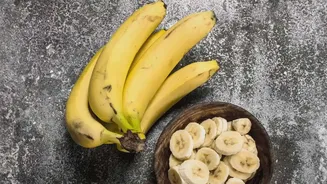
As the resistant starch converts to simple sugars, a yellow banana becomes an excellent source of quick, easily digestible energy. This makes it an ideal snack before or after a workout. Because the complex carbs have already been broken down, the body can absorb the sugars rapidly. The texture also becomes softer and the taste sweeter, which most people prefer. While the GI of a yellow banana is higher—typically around 51—it is still considered a low-to-medium GI food. Furthermore, as a banana ripens and develops brown spots, its antioxidant levels may increase. These compounds help protect the body's cells from damage. However, for individuals who need to carefully manage their blood sugar, the higher sugar content means portion control is more important with ripe bananas.
So, Which Banana Is Better for You?
Ultimately, neither green nor yellow bananas are 'bad' for you; they simply offer different benefits. The right choice depends entirely on your personal health goals and preferences. Choose a green banana if: - You want to improve your gut health. The resistant starch acts as a prebiotic, feeding good bacteria. - You are managing blood sugar levels. The lower GI helps prevent sharp spikes in glucose. - You are focused on weight management. The fibre and resistant starch promote a feeling of fullness. Choose a yellow banana if: - You need a quick source of energy, like before or after exercise. The simple sugars are readily available. - You prefer a sweeter taste and softer texture. - You have a sensitive digestive system, as they are generally easier to digest than green bananas. You can even opt for a yellow banana with a hint of green at the tips to get a good balance of both resistant starch and sweetness.