



For generations, we've been told to eat our leafy greens for strong bones. Palak, methi, and sarson are staples of the Indian diet, celebrated for their nutritional value. But what if the calcium in these greens isn't as available as we think?
The Green Leafy Deception
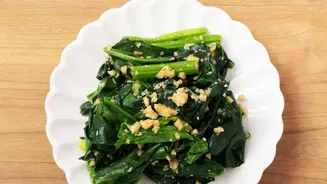
Many green
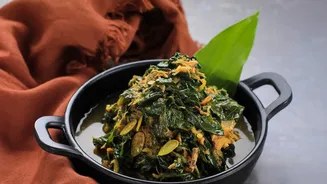
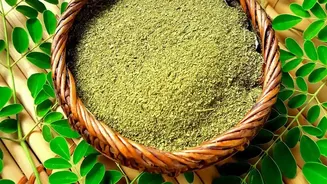
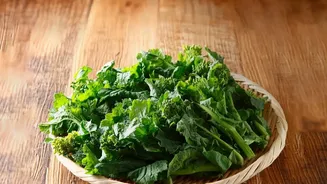
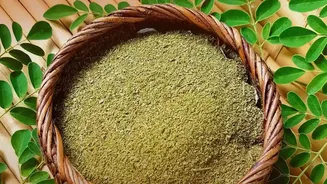
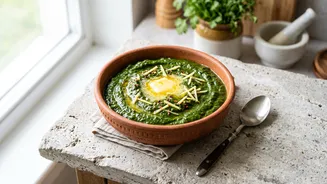
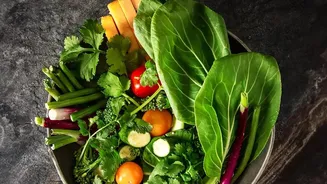
leafy vegetables, especially spinach (palak), are high in a compound called oxalate. While spinach might contain a lot of calcium on paper, oxalates bind to it, forming calcium oxalate. This process significantly reduces how much calcium your body can actually absorb from the food. In fact, your body might only absorb as little as 5% of the calcium from spinach. This doesn't mean you should stop eating these greens; they are packed with other essential vitamins and fibre. It simply means they shouldn't be your primary or only source of calcium. Low-oxalate greens like amaranth (chaulai) and fenugreek (methi) are better choices if calcium is your main goal.
How Much Calcium Do We Really Need?
According to the latest recommendations from the Indian Council of Medical Research (ICMR), most adults need about 1,000 mg of calcium per day. This requirement increases for post-menopausal women and lactating mothers, who may need up to 1,200 mg daily. Many Indian diets, however, fall short of this target. When your daily intake is insufficient, your body doesn't hesitate to take what it needs from the only reserve it has: your bones. Over time, this can lead to a decrease in bone density and an increased risk of osteoporosis.
Dairy: The Tried and Tested Source
There's a reason dairy products like milk, curd (dahi), and paneer are traditionally seen as calcium champions. The calcium in dairy is highly bioavailable, meaning your body can absorb and use it efficiently—at a rate of about 30-35%. A single cup of milk or a serving of paneer can provide a significant portion of your daily calcium needs. For those who can tolerate lactose, including dairy in your daily diet is one of the most straightforward ways to ensure a steady supply of this vital mineral. Curd, being a fermented food, has the added benefit of being easier to digest for many.
India's Plant-Based Calcium Powerhouses
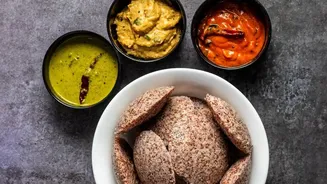
For those who are lactose intolerant, vegan, or simply looking to diversify, the Indian kitchen offers a wealth of non-dairy calcium sources. The undisputed king is Ragi (finger millet), which contains around 344 mg of calcium per 100g, far more than wheat or rice. Another hero is sesame seeds (til), which pack an incredible 975 mg of calcium per 100g. Even in smaller quantities, like in a til laddoo or chutney, they provide a substantial boost. Other excellent sources include amaranth (rajgira), chickpeas (chana), kidney beans (rajma), and almonds.
The Crucial Role of the 'Sunshine Vitamin'
Eating all the calcium-rich food in the world won't do much good without adequate Vitamin D. This essential vitamin acts as a key, unlocking your body's ability to absorb calcium from your intestines. Without enough Vitamin D, you might only absorb 10% - 15% of the calcium you consume. With sufficient Vitamin D, that absorption rate can jump to 30% - 40%. Despite India's abundant sunshine, Vitamin D deficiency is widespread, partly due to indoor lifestyles and air pollution. A short walk in the morning sun can help your body produce this crucial vitamin, making your calcium intake truly count.