


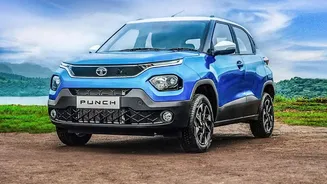
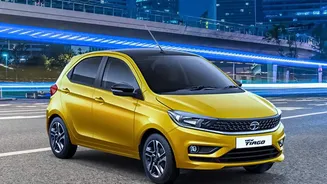

The Details of the Price Hike
Effective September 1, 2026, Tata Motors will increase prices across its entire passenger vehicle portfolio. This includes all internal combustion engine (ICE) models—petrol, diesel, and CNG—as well as their popular electric vehicle (EV) lineup. The company
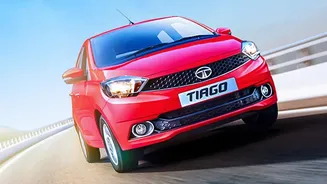
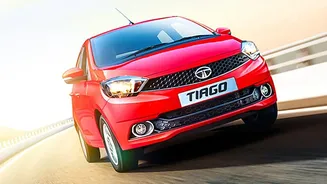
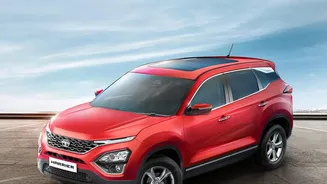
has stated the price revision will be up to ₹25,000, but it will not be a flat increase. Instead, the exact amount will vary depending on the specific model and variant you choose. The carmaker has not yet released a detailed list of new prices for each model, but the change will affect everything from the entry-level Tiago to the flagship Safari.
Why Is This Happening Now?
Tata Motors has cited rising input costs and sustained inflationary pressures as the primary reasons for this decision. This is a common theme across the Indian auto industry in 2026. Carmakers are dealing with higher prices for raw materials like steel and aluminium, increased operational expenses, and volatile economic conditions. In a statement, the company mentioned that while it has been absorbing a significant portion of these increased costs, it now needs to pass a part of the impact on to customers. This is the third price adjustment from Tata in 2026, following smaller hikes in April and July, indicating a persistent pressure on manufacturing costs.
The Big Question: Buy Now or Wait?
For prospective buyers, the immediate dilemma is whether to rush a purchase before August ends or wait. Buying now could save you up to ₹25,000, which is a significant amount. If you have already decided on a specific Tata model and variant, and it is readily available in stock, finalising your purchase before September 1 is the most straightforward way to lock in the current, lower price. However, this strategy comes with its own risks. Rushing a major financial decision is never ideal. You might have to compromise on your preferred colour or variant based on dealer availability. Furthermore, with the festive season just around the corner, waiting could bring attractive discount schemes and offers that might partially or even fully offset the price hike.
Factor in the Festive Season
Historically, the festive period from Navratri through Diwali is when car manufacturers roll out their most aggressive deals to boost sales. These can include cash discounts, exchange bonuses, extended warranties, and free accessories. While the base price of the car will be higher from September, the festive offers could potentially bring the final on-road price back down to current levels, or even lower in some cases. The gamble is that there's no guarantee the offers will be substantial enough to negate the hike entirely. Your decision to wait should therefore depend on your risk appetite and how urgently you need a new vehicle.
Look at the Competition
Tata is not the only automaker feeling the heat. Hyundai also announced a price hike of up to 1% effective from September, its third increase of the year. Market leader Maruti Suzuki has also implemented multiple price revisions in recent months. This industry-wide trend means that switching to a competitor might not necessarily shield you from rising prices. However, it’s a good moment to re-evaluate your options. Compare the post-hike prices of your chosen Tata model with its direct rivals, such as those from Mahindra, Hyundai, or Maruti Suzuki. You might find that another brand now offers a better value proposition for your budget, or you may conclude that even with the increase, the Tata vehicle remains the best fit for your needs.