





Understanding the Grain Family
First, let's clear up some confusion. You've likely heard about 'whole grains' and 'refined grains'. Refined grains, like white rice and maida, have had their outer layers—the bran and germ—removed, stripping them of fibre and key nutrients. Whole grains, as
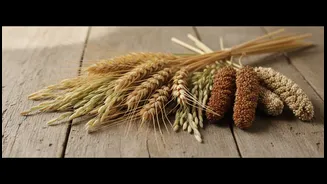
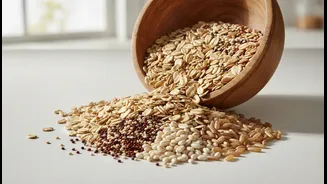
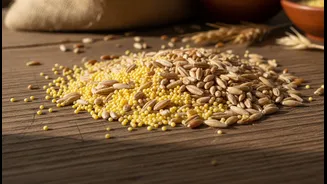
the name suggests, contain all three parts of the kernel: the fibrous bran, the nutrient-rich germ, and the starchy endosperm. Now, 'intact grains' are a step further: they are whole grains that remain in their original, unprocessed kernel form. Think of wheat berries, steel-cut oats, or barley groats. While whole wheat flour is technically a whole grain because all parts are ground up, its structure has been broken down. Intact grains, by contrast, keep their physical structure, which is the key to their unique benefits.
The Science of Staying Full
The primary reason intact grains are champions of satiety comes down to fibre. Specifically, the soluble fibre found in grains like oats and barley forms a gel-like substance in your stomach. This process slows down digestion and the rate at which food leaves your stomach. The result? You feel fuller for a longer period. This slow and steady digestion also leads to a more gradual release of glucose into the bloodstream, preventing the sharp spikes and subsequent crashes in blood sugar and energy that often follow a meal of refined carbohydrates. This stable energy release not only curbs hunger but also helps manage cravings, making it a valuable tool for weight management. Studies show that simply increasing daily fibre can lead to reduced appetite and energy intake.
A Matter of Texture and Taste
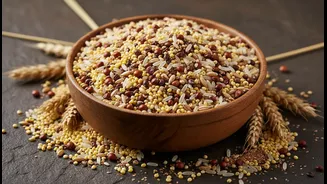
Beyond the science, there's a simple, sensory pleasure to eating intact grains. They offer a robust, chewy texture and nutty flavours that are often lost in soft, refined products. This isn't just a minor detail; the very act of chewing more thoroughly can contribute to feelings of fullness. The added texture makes meals more interesting and satisfying. A bowl of creamy dal with fluffy white rice is comforting, but pairing it with hearty, toothsome brown rice or a millet like jowar introduces a new dimension of mouthfeel. Breads made with visible, intact grains have a more rustic and substantial quality compared to smooth, uniform loaves. This textural complexity can make eating a more mindful and enjoyable experience.
Easy Swaps for the Indian Kitchen
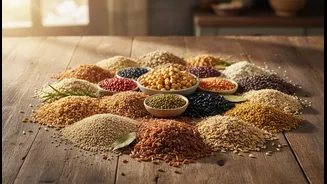
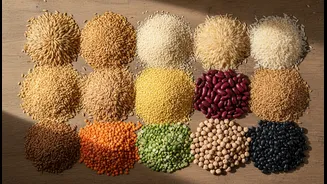
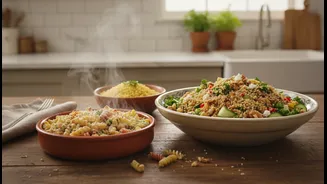
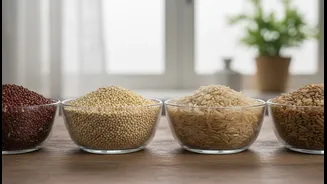
Incorporating intact grains into a traditional Indian diet is easier than you think, and in many ways, it's a return to our culinary roots. Many millets and ancient grains were staples long before polished rice and refined wheat became dominant. Start with small, manageable swaps. Instead of white rice for every meal, try brown rice, barley (jau), or foxtail millet (kangni). These can be cooked just like rice and pair beautifully with dals and curries. For breakfast, switch from instant oat packets to steel-cut or rolled oats, which can be made into a savoury upma or a sweet porridge. When making rotis, experiment with flours like jowar (sorghum), bajra (pearl millet), and ragi (finger millet). You can start by mixing them with your regular whole wheat atta to get accustomed to the taste and texture. Even snacks can get an upgrade: think roasted chana or a bowl of quinoa salad.