






Prioritise Reputable Sellers
The simplest first step is to buy from trusted, well-established sweet shops. These vendors have a reputation to maintain and are generally more conscious about hygiene and quality. While local street vendors might offer tempting prices, the risk of contamination
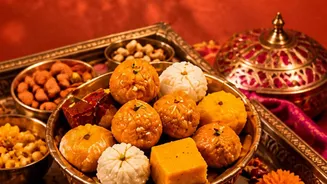
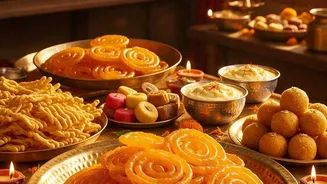
or old stock can be higher. During the festive season, the demand for sweets like barfi, peda, and laddoo skyrockets, tempting some unscrupulous sellers to cut corners. Choosing a shop known for its cleanliness and consistent quality is a wise investment in your family's health.
Look for the FSSAI Licence
The Food Safety and Standards Authority of India (FSSAI) mandates that all food businesses, including sweet shops, must have a registration or licence number. This 14-digit number should be prominently displayed on the premises and printed on packaged goods. The presence of an FSSAI number is a sign that the vendor is accountable and subject to regulation. If you don't see one, it's a significant red flag.
Check the 'Best Before' Date
Since October 2020, FSSAI regulations require sweet shops to display a 'best before' date on the trays of loose or non-packaged sweets. Milk-based sweets, in particular, are highly perishable. Pay close attention to this date. If it's missing, don't hesitate to ask the seller. Stale sweets not only taste bad but can also harbour harmful bacteria, leading to stomach ailments. Fresh mithai should be soft and moist, not hard, dry, or rubbery.
Beware of Unnaturally Bright Colours
Vibrantly coloured sweets might look appealing, but excessively bright yellows, greens, and oranges can be a warning sign. These neon hues may indicate the use of non-permitted or low-quality industrial dyes instead of natural food colouring. These chemical dyes, such as metanil yellow, can be harmful and are best avoided. Authentic, high-quality sweets typically have softer, more natural colours derived from ingredients like saffron, pistachio, or beetroot.
Inspect the Silver Foil (Vark)
The delicate silver leaf, or 'vark', that adorns many Indian sweets should be pure silver. However, it is often substituted with cheaper aluminium foil, which can be harmful if ingested. You can perform a simple test: gently rub the foil on the sweet. Real silver vark is incredibly delicate and will disintegrate or dissolve into the sweet or your finger. Fake aluminium foil will feel slightly thicker and may peel off or roll into a small ball.
Use Your Senses: Smell and Taste
Your senses are powerful tools. Fresh milk-based sweets should have a pleasant, milky aroma. If you detect a sour, musty, or off-smell, the product is likely spoiled. Similarly, if a sample tastes soapy, bitter, or unusually acidic, it could indicate the presence of chemical adulterants like detergent, which is sometimes used to mimic the frothy appearance of pure milk. A gritty or pasty texture in khoya-based sweets can point to the use of starch or flour as a cheap filler.
Watch for Common Adulterants
Khoya, or milk solids, is a primary ingredient in many mithais and is frequently adulterated. Common fillers include starch, flour, blotting paper, and even urea. One quick test for starch is to dissolve a small piece of khoya in hot water and add a drop of iodine solution; if the mixture turns blue, it confirms the presence of starch. Ghee is another ingredient often adulterated with cheaper vanaspati or vegetable oils. Prices that seem too good to be true often are, and may signal the use of such substandard ingredients.