



Why Whole Spices Reign Supreme in Rice
While ground spices are convenient, they are not ideal for cooking rice. Powdered spices can make the grains look muddy and distribute unevenly, creating pockets of intense flavour. Whole spices, on the other hand, are designed for slow infusion. Their
aromatic oils are locked inside, protected from the air. When heated in oil or cooked with the rice, these spices gradually release their fragrance, perfuming every single grain with a balanced, complex aroma without overpowering it. This slow release is key to achieving that layered flavour profile found in classic dishes like pulao and biryani.
Your Essential Whole Spice Toolkit for Rice
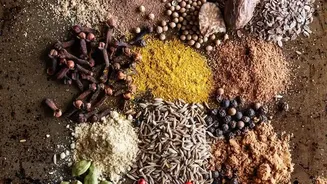
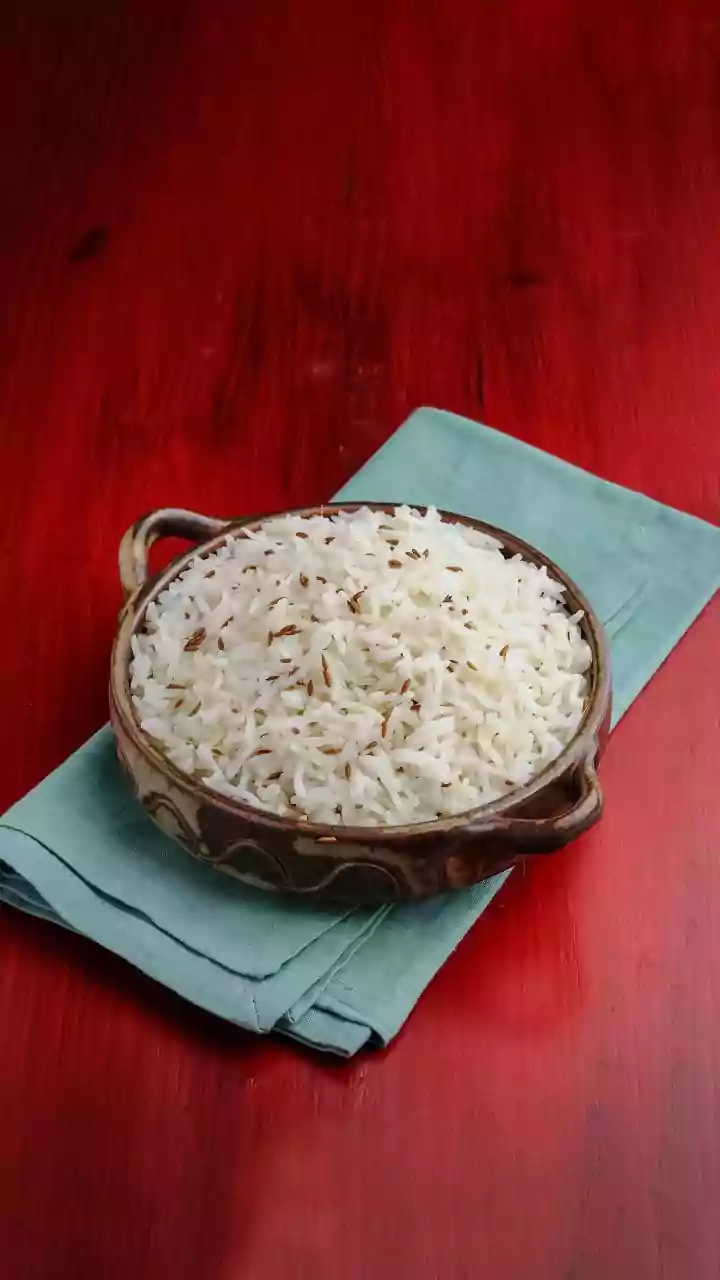
You don’t need an entire spice drawer to start. A few key players can elevate your basmati rice significantly. A classic combination for a simple pulao often includes a stick of cinnamon, a couple of green cardamom pods, a few whole cloves, and a bay leaf. Cumin seeds are another workhorse, adding a warm, earthy flavour. Cinnamon provides a woody sweetness, green cardamom a floral freshness, and cloves an intense, pungent warmth. The Indian bay leaf, or 'tej patta', is different from the European variety, imparting a mild, cinnamon-like scent. Black peppercorns can be added for a gentle heat. A little goes a long way, and the combination creates a harmonious base for many Indian meals.
The Art of Tempering: Unlocking Flavour with 'Tadka'
The most effective way to extract flavour from whole spices is a technique known as tempering, or 'tadka'. This involves briefly frying the spices in hot oil or ghee to release their essential oils before adding other ingredients. The resulting fragrant fat then coats and infuses whatever it's added to. For rice, tempering is usually the first step. Heat a tablespoon or two of ghee or oil in your pot over medium heat. The key is to add spices in the right order, from largest to smallest, as they cook at different rates. Start with hard spices like cinnamon sticks. After about 20 seconds, add pods like cardamom and cloves. Finally, add smaller seeds like cumin, which only need about 10-20 seconds before they become fragrant. You know it's working when they sizzle and release their aroma. Be careful not to burn them, which can make the dish bitter.
A Simple Method for Perfect Spiced Basmati
Let’s put it all together. First, rinse one cup of basmati rice until the water runs clear, then soak it for 20-30 minutes; this crucial step helps the grains cook evenly and become fluffy. While it soaks, prepare your spices: a 1-inch cinnamon stick, 2-3 green cardamom pods, 2-3 cloves, and 1 bay leaf. Heat oil or ghee in a pot and temper the spices as described above. Once fragrant, you can add finely sliced onions and sauté until golden for extra depth. Add the drained rice and stir gently for a minute to coat the grains in the spiced oil. Then, add 1.5 to 2 cups of water and a pinch of salt. Bring to a boil, then reduce the heat to the lowest setting, cover tightly, and simmer for 10-15 minutes without lifting the lid. Once all the water is absorbed, turn off the heat and let the rice rest, still covered, for at least 5-10 minutes. Finally, fluff with a fork and serve. Tell your guests to avoid eating the whole spices.
Experimenting with More Aromatics
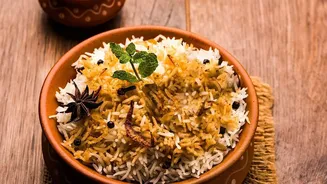
Once you master the basic technique, feel free to experiment. Star anise adds a subtle, sweet, licorice-like flavour, often used in biryanis. Black cardamom brings a smokier, more intense profile than its green counterpart. For a golden hue and earthy flavour, a pinch of turmeric powder can be added to the tempering oil. For a truly luxurious dish, a few strands of saffron can be soaked in warm milk and drizzled over the cooked rice before the final resting period. The beauty of making spiced rice is that you can adjust the aromatics to complement your main dish, creating endless variations from a simple, elegant foundation.