



Understanding the Summer Solstice
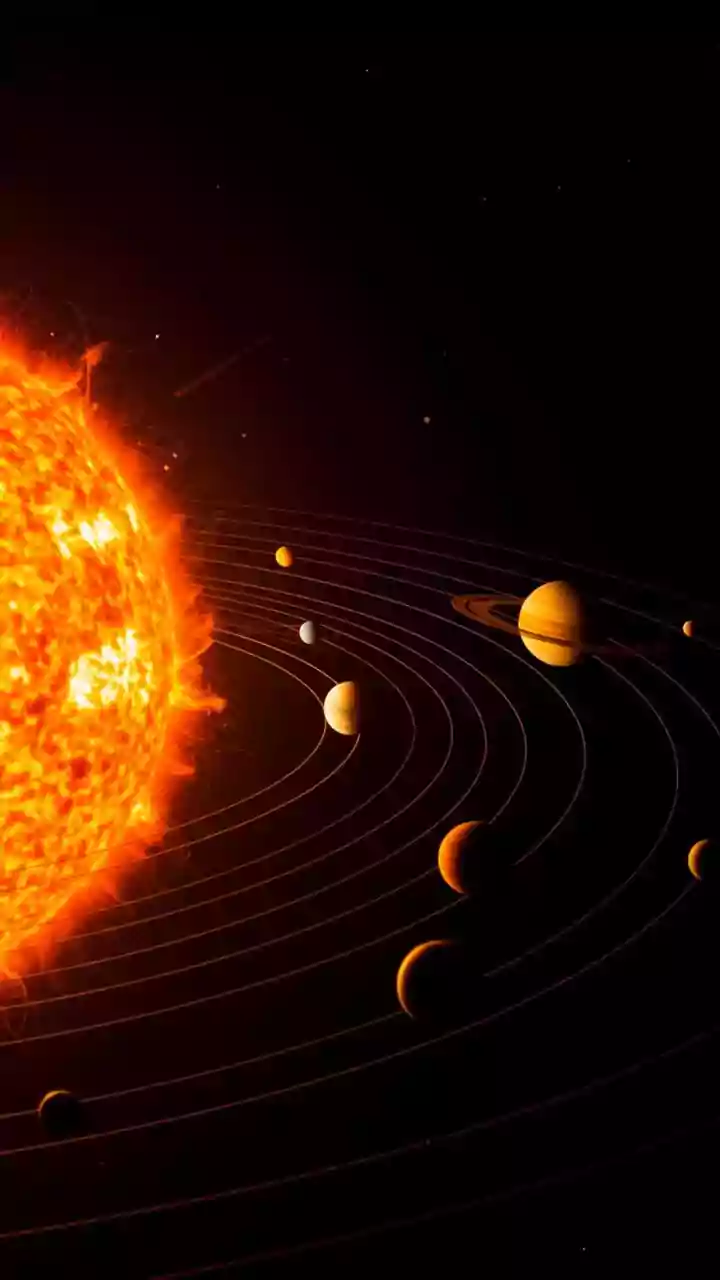
First, what exactly are we celebrating? The summer solstice, which falls around June 21st in the Northern Hemisphere, marks the moment the Sun reaches its highest and northernmost point in the sky. For us in India, it results in the longest period of
daylight and the shortest night of the year. It’s the official astronomical start of summer, a moment of peak sunlight that has been celebrated by cultures for millennia. While the day itself is significant, the clear nights that often follow in many parts of the country provide a perfect backdrop for some incredible sky-watching.
The Moon Takes Centre Stage
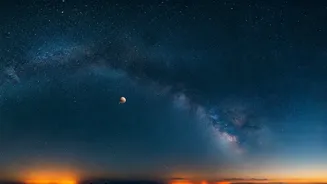
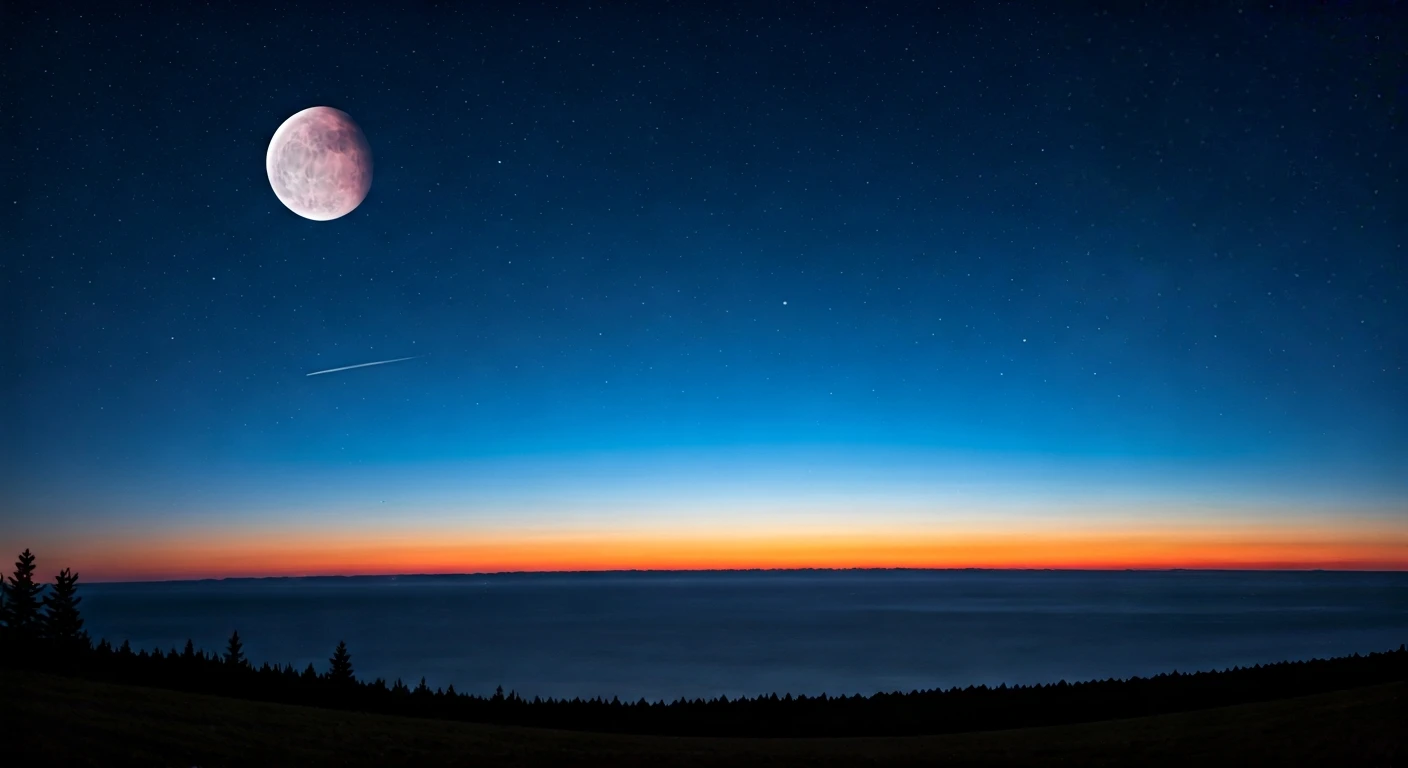
This weekend’s celestial headliner is undoubtedly the Moon. We’re just past the full moon, often called the ‘Strawberry Moon’. While the name comes from the West, linked to the strawberry harvesting season, it will still appear big and bright in our skies. As it wanes through the weekend, it will rise later each night, meaning you’ll have a window of true darkness in the early evening for stargazing before it appears. When it does rise, watch for its beautiful golden hue as it sits low on the horizon, an effect caused by it being seen through more of Earth’s atmosphere.
A Pre-Dawn Planetary Parade
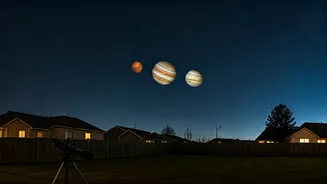
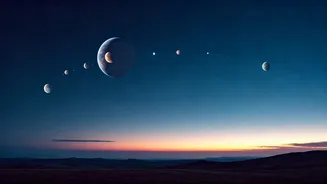
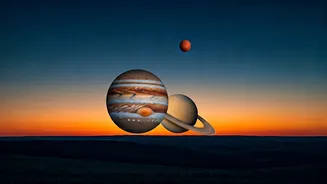
For the early risers, a special treat awaits. Before the Sun begins to paint the sky, a parade of planets will be visible. Look towards the eastern horizon about an hour before sunrise. You should be able to spot two notable wanderers: Saturn and Mars. Saturn will appear as a steady, yellowish-white point of light. A little lower and to its left, you might catch the distinct reddish glow of Mars. Unlike stars, which twinkle, planets shine with a more constant light. This pre-dawn alignment is a serene and beautiful sight, a quiet gathering of our cosmic neighbours before the day begins. Jupiter is also joining the party, rising just before the sun, but it may be challenging to spot in the brightening twilight.
Exploring the Summer Constellations
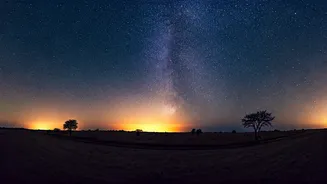
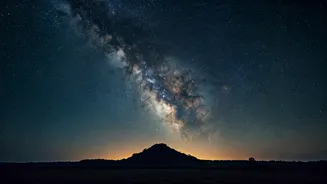
With the solstice comes the season of summer constellations. As darkness falls, look towards the south and southeast to find one of the most recognisable shapes in the sky: Scorpius, the Scorpion. Its bright, reddish heart is the star Antares, a red supergiant often called the ‘Rival of Mars’ due to its similar colour. Following Scorpius is the constellation Sagittarius, famously shaped like a teapot. The spout of the teapot points directly towards the dense, bright centre of our own galaxy, the Milky Way. If you are in a location with very little light pollution, this is your chance to see the Milky Way’s faint, milky band stretching across the sky—a truly awe-inspiring sight.
Tips for the Best Viewing Experience
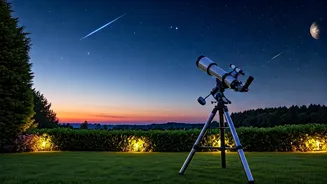
To make the most of your solstice sky-gazing, a little preparation goes a long way. First, escape the city lights. Even a short drive away from urban glare can reveal thousands more stars. Second, give your eyes time to adjust. It takes about 20-30 minutes for your eyes to become fully dark-adapted. Avoid looking at your phone screen, as its bright light will reset your night vision. Use a red torch if you need light. Third, get comfortable. A reclining chair or a blanket on the ground will save your neck from straining. Finally, consider using a stargazing app on your phone (in night mode!) to help you identify what you’re looking at. Apps like Stellarium or SkyView can be fantastic guides.