





More Than Just a Dip
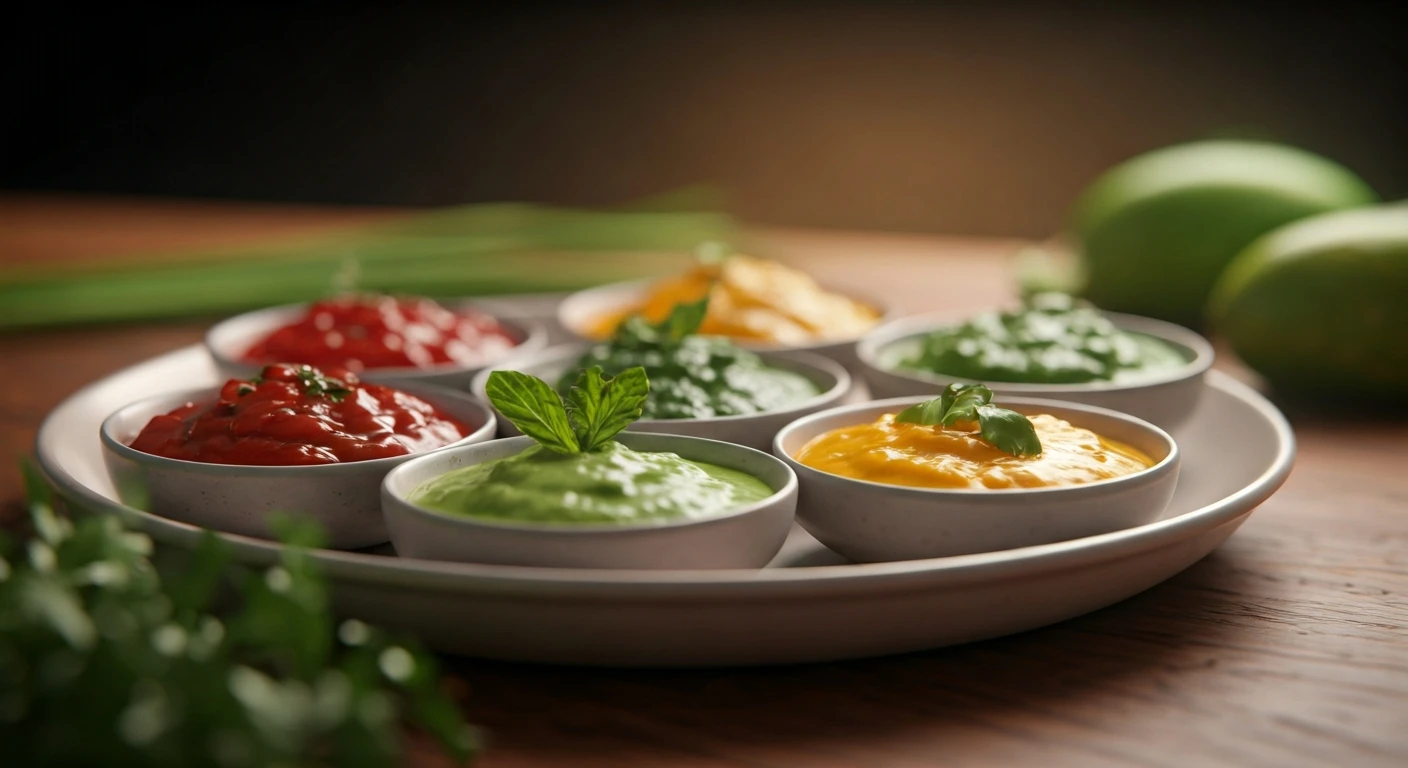
Chutney, derived from the Hindi word 'chatni' meaning 'to lick', is a staple condiment in Indian households that does more than just tantalize the taste buds. Traditionally prepared by grinding fresh herbs, spices, fruits, and vegetables, these versatile
relishes are a fantastic way to add a burst of flavour and nutritional value to your meals. Long before they became a culinary delight, chutneys were used in Ayurveda as digestive aids. Modern preparations, especially homemade ones, continue this legacy by packing in vitamins, antioxidants, and fibre, making them an excellent addition to a health-conscious diet.
The Refreshing Mint and Coriander Chutney
Arguably the most popular of the lot, this vibrant green chutney is a powerhouse of benefits. Mint is well-regarded for its ability to aid digestion and soothe the stomach, while coriander is rich in antioxidants and vitamins like C and K. Some studies suggest coriander may also help in lowering blood sugar levels. This cooling, low-calorie chutney pairs perfectly with everything from grilled chicken and fish to salads and whole-wheat sandwiches, instantly adding a fresh, zesty kick.
The Tangy Tamarind and Date Chutney
This sweet and sour chutney, known as Imli chutney, is a classic for a reason. Tamarind is a source of antioxidants, while dates provide natural sweetness and a dose of dietary fibre and iron. While traditional recipes can be high in sugar, you can easily make a healthier version at home by using jaggery sparingly or relying solely on the sweetness of the dates. This chutney is fantastic for balancing flavours, adding a tangy counterpoint to savoury lentil dishes, chaat, or even as a glaze for roasted vegetables.
The Antioxidant-Rich Tomato Chutney
Tomato chutney is incredibly versatile and packed with nutrients. Tomatoes are an excellent source of lycopene, an antioxidant known for its role in supporting heart health. Often prepared with garlic, which has anti-inflammatory properties, this chutney is both delicious and beneficial. It can be used as a simple dip for snacks, a spread for rotis, or even as a healthy, flavourful base for a quick curry. To keep it healthy, opt for recipes that use minimal oil and sugar.
The Immune-Boosting Amla Chutney
Amla, or Indian gooseberry, is a celebrated superfood, primarily for its incredibly high Vitamin C content—an essential nutrient for a strong immune system. Amla also aids digestion and is beneficial for skin and hair health. Its flavour is predominantly sour and astringent, so it's often balanced with coriander, mint, and a touch of jaggery or honey in a chutney. Adding this potent chutney to your diet can be a simple way to boost your immunity and overall wellness.
The Protein-Packed Peanut Chutney
For those looking to add more protein and healthy fats to their diet, peanut chutney is an excellent choice. Peanuts provide plant-based protein, which is great for muscle health. Often found in South Indian cuisine alongside idli and dosa, this creamy and nutty chutney can also be used as a satisfying dip for vegetable sticks or a spread on toast. It's typically made by blending roasted peanuts with chilies and sometimes coconut or tamarind for extra flavour.
Tips for Keeping Chutneys Healthy
While chutneys are inherently healthy, store-bought versions can be loaded with preservatives, salt, and sugar. The best approach is to make them at home, where you have full control over the ingredients. Use natural sweeteners like dates or a small amount of jaggery instead of refined sugar. Limit the amount of salt and oil. Focus on using fresh, raw ingredients to retain the maximum nutritional value. Remember that while they are healthy, portion control is still key. A tablespoon or two is enough to liven up any dish without adding significant calories.