




Embrace the Seasons: Your Guide to What's Fresh
Eating with the seasons is the first step to a more intuitive and enjoyable cooking life. Seasonal produce is fresher, tastes better, costs less, and is packed with the nutrients our bodies need at different times of the year. In India, the agricultural
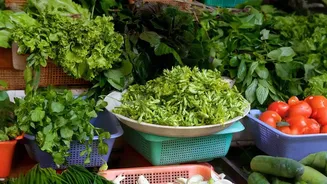
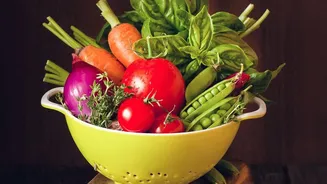
calendar offers a vibrant, ever-changing pantry. During the summer months (March-June), look for hydrating vegetables like bottle gourd (lauki), ridge gourd (tori), cucumber, and pumpkin. The monsoon (July-October) brings a bounty of leafy greens like spinach (palak) and amaranth, alongside fresh corn (bhutta) and various gourds. Winter (November-February) is the season for hearty and vibrant produce, including carrots, peas, cauliflower (gobi), cabbage, and mustard greens (sarson). Planning your meals around these seasonal stars ensures you’re always cooking with the best ingredients available.
Master the Knife: Essential Vegetable Cuts
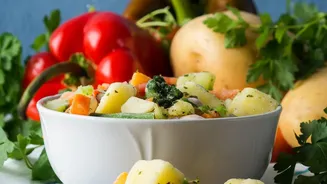
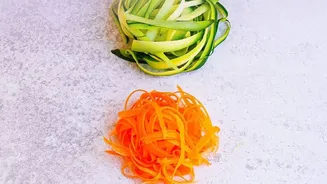
How you cut a vegetable dramatically affects its texture and cooking time. Mastering a few basic cuts will make your cooking more consistent and professional. Uniformity is key, as it ensures everything in the pan cooks evenly. Chopping: This is a less precise, all-purpose cut for creating irregular but similarly-sized pieces. It’s perfect for rustic stews, soups, or a simple sabzi where exact shapes don't matter. Dicing: This involves creating small, uniform cubes. A small dice (about 1/4 inch) is great for salads, salsas, and bases for sauces, while a medium dice (1/2 inch) is ideal for heartier dishes like curries and roasts. Slicing/Rondelles: This means cutting vegetables into thin, round or semi-round pieces. It’s perfect for cucumbers in a salad, carrots in a stir-fry, or potatoes for frying. Creating a flat surface on a round vegetable first makes slicing safer and easier. Julienne: This technique creates long, thin matchstick-like strips. It's often used for carrots, bell peppers, or zucchini for salads, spring rolls, and garnishes, providing a delicate texture.
Match the Method: Cooking for Flavour and Texture
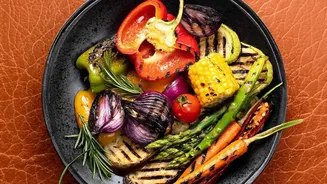
Once you have your seasonal vegetables and your chosen cuts, pairing them with the right cooking method is the final piece of the puzzle. Different methods highlight different characteristics of a vegetable. Roasting: Ideal for diced or largely chopped root vegetables like potatoes, sweet potatoes, carrots, and cauliflower. High, dry heat caramelises their natural sugars, creating a deep, sweet flavour and a tender interior with crispy edges. Stir-frying: Perfect for julienned or thinly sliced vegetables like bell peppers, beans, cabbage, and broccoli. The quick, high-heat cooking preserves their crunch and vibrant colour. Steaming: A gentle method that’s excellent for delicate vegetables like spinach, asparagus, and broccoli florets. It preserves the most nutrients and results in a clean, fresh taste. Braising/Currying: Best for larger, diced, or chopped hearty vegetables like gourds, pumpkin, and brinjal. Simmering them slowly in a flavourful liquid (like a curry base or stock) makes them incredibly tender and allows them to absorb all the delicious flavours of the dish.
The Weekly Plan: Putting It All Together
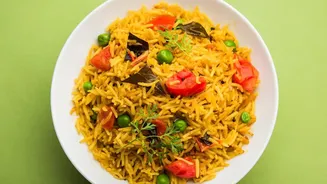
Here’s a simple, four-step system to organise your week: 1. Select Your Veggies: At the start of the week, choose 3-4 main seasonal vegetables. For a winter week, this could be carrots, cauliflower, and spinach. 2. Assign the Cuts: Decide how you’ll prep them. You might dice the carrots, break the cauliflower into florets, and leave the spinach to be roughly chopped just before cooking. 3. Plan the Dishes: Match the prepped vegetables to meals. The diced carrots are ready for a carrot and pea sabzi. The cauliflower florets can be roasted one night and used in a pulao another day. The spinach can be quickly wilted into dal or used for palak paneer. 4. Prep Ahead: Spend an hour or two prepping. Wash and chop the hardier vegetables like carrots and cauliflower. This single step will drastically reduce your cooking time on busy weekdays.
Smart Storage: Make Your Produce Last
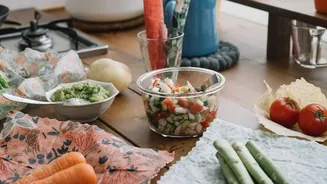
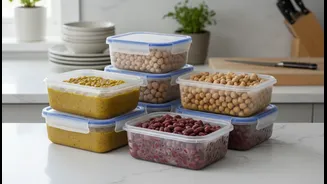
Proper storage is crucial to keep your prepped vegetables fresh. Store most cut vegetables in airtight containers in the refrigerator to slow oxidation and keep them crisp. Hardy vegetables like carrots and celery can be stored submerged in a container of cool water in the fridge, which keeps them crunchy for several days; just remember to change the water if it gets cloudy. Leafy greens like spinach and coriander are best stored wrapped in a slightly damp paper towel or cloth inside a bag in the fridge. Generally, pre-cut vegetables should be used within 2-3 days for optimal freshness.