






A Foundation Built on History and Commerce
Bollywood’s connection to Mumbai is not a recent phenomenon; it’s over a century old. The journey began in the early 20th century when the city, then Bombay, was India's commercial and financial capital. Visionaries like Dadasaheb Phalke, the father of
Indian cinema, laid the industry's foundations here. The city's cosmopolitan and progressive nature, compared to other regions at the time, made it a natural home for the fledgling film world. Being a major port and business hub meant access to capital, technology, and a diverse population, creating a fertile ground for an industry that thrived on glamour, investment, and talent. This historical head start gave Mumbai an advantage that has compounded over decades.
The Unbeatable Infrastructure Ecosystem
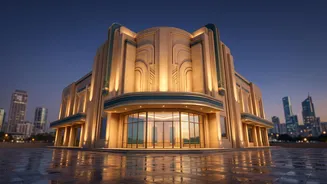
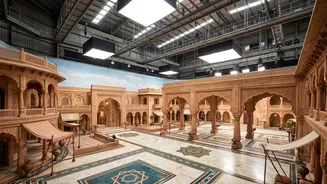
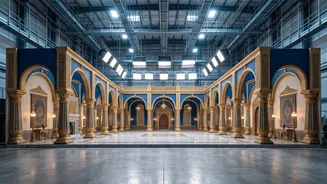
Modern filmmaking is a complex logistical operation, and Mumbai offers an unparalleled, concentrated ecosystem. The city is home to a dense network of production houses, sound stages, post-production labs, and equipment rental services. The iconic Film City in Goregaon, a sprawling 520-acre complex established in 1977, provides a vast array of ready-made sets and shooting locations, from villages to urban landscapes. This cuts down on the time and cost of moving cast and crew. While other states are now developing their own film cities, Mumbai's lead is substantial. The government is also planning massive upgrades and new media hubs to ensure the city remains a state-of-the-art production centre, capable of handling everything from a blockbuster film to an OTT series.
Where Money and Talent Converge
Beyond the physical studios, Mumbai is the undisputed financial engine of Bollywood. Major production houses like Dharma Productions and Yash Raj Films, alongside corporate giants such as Viacom18 and Disney, are headquartered here. This concentration means that everything from pitching a script to securing funding and closing distribution deals happens within a few square kilometres. This proximity creates an efficient, if competitive, marketplace. Furthermore, Mumbai acts as a talent magnet, drawing aspiring actors, directors, writers, and technicians from every corner of the country. The dream of a career in cinema is synonymous with moving to the 'City of Dreams', creating a self-perpetuating cycle where the best talent and the biggest opportunities reside in one place.
Expanding Reach Through Digital Distribution
So, how does this Mumbai-centric industry create 'pan-Indian' hits? The answer lies in modern marketing and distribution. The product, the film itself, is designed to travel, even if the factory remains stationary. The rise of multiplexes and now, digital streaming platforms, has broken down geographical barriers. A film produced in a Mumbai studio can be dubbed into Tamil, Telugu, and other languages and released simultaneously nationwide. This strategy, successfully pioneered by South Indian industries, allows filmmakers to target a massive, unified audience without needing production hubs in every region. Bollywood is adapting this model, focusing on universally appealing stories and cross-industry collaborations to ensure its content resonates across different cultures.
A Hub for a National Industry
While the rise of powerful regional industries, particularly from the South, has challenged Bollywood's undisputed dominance, it hasn't dismantled Mumbai's importance. In fact, as films increasingly aim for a pan-Indian label, the need for a central hub for marketing, Hindi-language distribution, and promotion becomes even more critical. Mumbai is perfectly positioned to serve this role, not just for its own films but for regional cinema aiming for a national footprint. It has the media infrastructure and the corporate muscle to launch a film on a massive scale. The competition has prompted significant investment in upgrading Mumbai's facilities to maintain its edge as a global-level film hub. This ensures that even as storytelling becomes more diverse and geographically varied, the business of cinema remains anchored in its traditional home.