


Watch the Majestic Pulikali in Thrissur
Forget everything you think you know about street parades. On the fourth day of Onam, the streets of Thrissur erupt in a riot of colour and rhythm with Pulikali, the 'Tiger Dance'. This 200-year-old folk art sees hundreds of performers, with their bodies
painstakingly painted as tigers and leopards, dance to the hypnotic beat of traditional drums. The artists, some of whom fast for weeks to prepare, mimic the movements of these powerful cats, creating a spectacle that is both fierce and playful. The energy at Swaraj Round in Thrissur is electric, as entire communities come together to witness this raw, powerful display of cultural pride. It’s a unique Onam tradition that embodies the wild spirit of the festival.
Savour an Authentic Onam Sadya
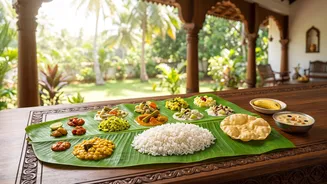
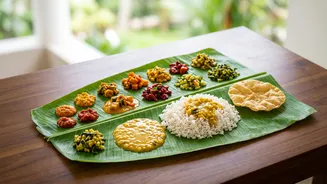
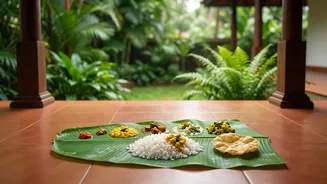
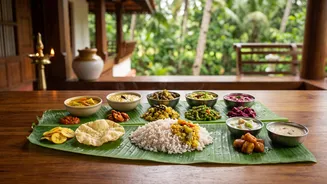
The Onam Sadya is more than just a meal; it's a culinary ritual and a cornerstone of the festival's spirit of abundance and equality. This elaborate vegetarian feast features up to 28 dishes served on a single banana leaf, with each item placed in a specific order. From tangy Puli Inji (ginger-tamarind chutney) and creamy Avial (mixed vegetables in coconut) to multiple varieties of sweet Payasam (dessert), the Sadya is a perfectly balanced symphony of flavours. While many restaurants offer it, the most authentic experiences are often found in local homes or at community feasts. Sharing a Sadya is about participating in a tradition where everyone, regardless of status, enjoys the same bounty, making it a profound cultural immersion.
Witness the Aranmula Snake Boat Race
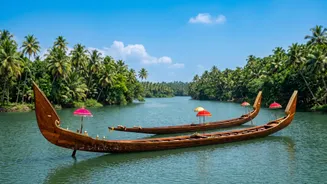
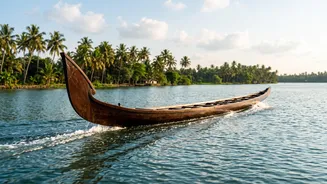
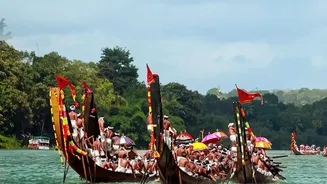
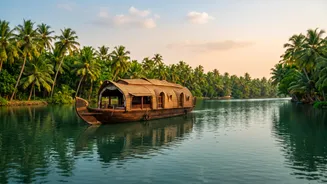
While Kerala is famous for its boat races, the Aranmula Uthrittathi Vallamkali is unique. Unlike the more competitive races, this event is a sacred ritual honouring Lord Krishna of the Sree Parthasarathy Temple. Taking place on the Pampa River, this ancient festival sees massive, beautifully decorated snake boats, called Palliyodams, glide in unison. Each boat carries over 100 people, including oarsmen and singers performing traditional Vanchipattu (boat songs). The race is not about speed but about tradition, devotion, and synchronized grace. The sight of these majestic boats, rowed not for a trophy but as a divine offering, captures a spiritual side of Onam that often gets missed.
Admire Intricate Pookalam Artistry
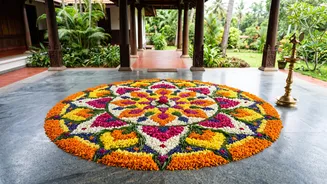
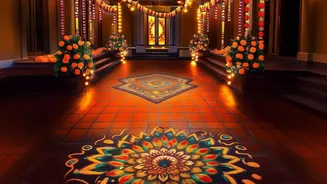
The most visible symbol of Onam is the Pookalam, an intricate floral carpet laid at the entrance of homes and public spaces to welcome King Mahabali. What starts as a small, simple design on the first day of the festival grows in size and complexity over the ten days of celebration. These are not just random decorations; creating a Pookalam is a community activity, often involving friendly competitions. Many local bodies and organisations host Pookalam contests with strict rules, including the use of only natural flowers and materials. Simply strolling through towns and villages to admire the diverse and creative designs offers a beautiful, ground-level view of the festive spirit and artistic talent that defines Onam across Kerala.
Visit the Thrikkakara Temple in Kochi
To understand the mythological heart of Onam, a visit to the Thrikkakara Vamanamoorthy Temple is essential. Believed to be the capital of the legendary King Mahabali, this ancient temple near Kochi is the epicentre of Onam celebrations. The temple's 10-day festival begins on the Atham day, kicking off the Onam festivities for the entire state. During this time, the temple becomes a hub of activity, with grand processions of caparisoned elephants, traditional music performances like Panchavadyam, and classical dance shows. It also hosts a massive Onasadya, feeding thousands of devotees. Visiting Thrikkakara offers a direct connection to the legend of Vamana and Mahabali that forms the very foundation of the Onam festival.