





Pack Smart for a Wetter Journey
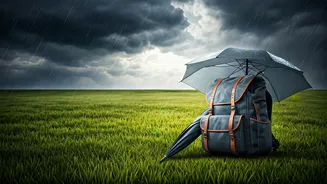
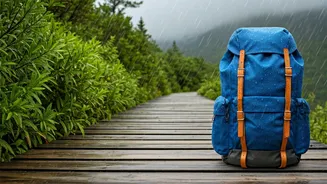
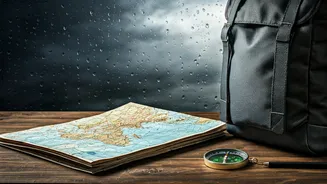
Your packing strategy is the first line of defence against monsoon troubles. Heavy fabrics like denim are a mistake; they get soaked easily and take forever to dry. Instead, opt for lightweight, synthetic, and quick-drying clothes. A reliable waterproof
jacket or poncho is non-negotiable, as is a sturdy umbrella. Your footwear choice is critical; think waterproof sandals with good grip or anti-skid trekking shoes, not street sneakers that will turn into soggy messes. It’s also wise to bring extra pairs of socks and undergarments. To protect your valuables, use waterproof bags or zip-lock pouches for your passport, phone, and other electronics. A rain cover for your backpack is another essential item to keep everything inside dry.
Navigating Travel Disruptions
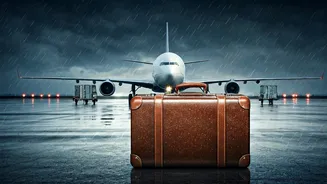
The monsoon season is notorious for causing travel chaos. Heavy rainfall can lead to flight delays, diversions, or outright cancellations due to poor visibility and challenging flying conditions. Similarly, local and long-distance train services can be affected by waterlogged tracks, leading to significant delays. Road travel is perhaps the most unpredictable. Waterlogged streets in cities can bring traffic to a standstill, while highways in hilly regions are susceptible to landslides and blockages. Before you leave, check the weather forecast for your destination and the routes you plan to take. Build buffer days into your itinerary to accommodate potential delays and have a flexible mindset. Using public transport or hiring a local driver familiar with the road conditions can often be a safer bet than driving yourself.
Safety First, Always
While the lush green landscapes are beautiful, the monsoon also brings safety risks. Water contamination is a major concern, so it's crucial to drink only bottled or properly filtered water and avoid street food that might have been exposed to rainwater. The season also sees a rise in mosquito-borne diseases like dengue and malaria, making a good insect repellent essential. If you're driving, be extremely cautious. Wet roads are slippery, and braking distances increase. Drive slowly, maintain a safe distance from other vehicles, and ensure your car’s tyres, brakes, and wipers are in good condition. Avoid driving through flooded areas, as it's impossible to know the water's depth or what hazards lie beneath. In hilly areas, be vigilant about warnings for landslides.
Salvage a Rain-Soaked Day
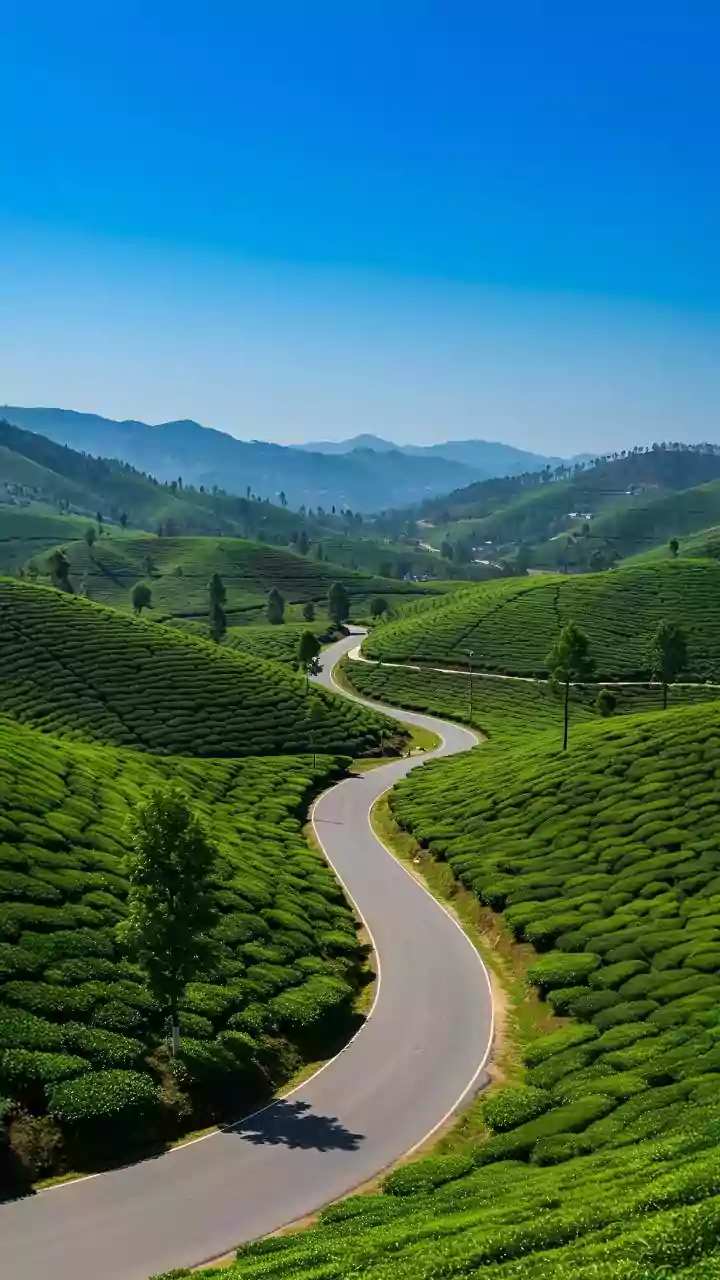
What happens when the rain forces you to cancel your outdoor plans? Don't let it ruin your trip. This is an opportunity to explore a different side of your destination. Rainy days are perfect for visiting indoor attractions like museums, art galleries, and historic churches. You can also use the time to indulge in a spa treatment or simply relax at a cafe with a good book and watch the rain fall. This is also a great chance to connect with local life. Head to a neighbourhood pub or restaurant where residents hang out to escape the downpour; you might discover a hidden gem. Many destinations in India, particularly hill stations, have a unique charm during the monsoon, with waterfalls at their peak and mist-covered landscapes creating a magical atmosphere.