



The Shift to Smarter Greenery
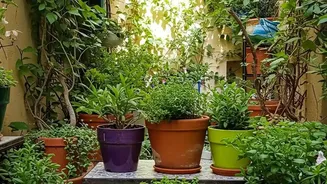
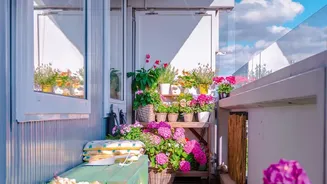
In the concrete jungles of urban India, a balcony often serves as a cherished connection to nature. For years, the aspiration was a garden bursting with delicate flowers and demanding ornamentals. However, a practical shift is underway. Busy schedules,
compact apartment living, and a desire for functional green spaces are leading more people to embrace low-care gardening. This new approach isn't about having fewer plants; it's about choosing smarter ones. It’s a move away from high-maintenance horticulture towards creating sustainable, beautiful, and useful green corners that thrive on a bit of neglect, fitting seamlessly into a modern, fast-paced lifestyle. This trend reflects a broader understanding that a garden should be a source of joy and relaxation, not another chore on an endless to-do list.
Defining the 'Low-Care' Plant
What exactly makes a plant low-maintenance in the Indian context? It’s more than just being hard to kill. These are plants adapted to thrive with minimal intervention. Key characteristics include drought tolerance, making them forgiving if you forget to water them during a busy week. They are resilient to common pests and diseases, reducing the need for chemical sprays. Most require little to no pruning to maintain their shape and size, an important factor for container gardening. Furthermore, they are adaptable, able to handle the varied conditions of a balcony, from intense direct sunlight to shadier spots, and the fluctuating temperatures common across the country.
Effortless Flowers for Sunny Balconies
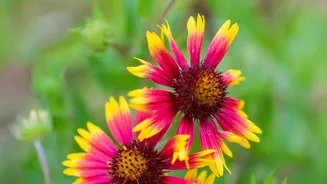
If your balcony gets several hours of direct sun, you have a wealth of vibrant, low-effort options. Bougainvillea is a classic choice, famous for its colourful, papery bracts and its ability to thrive in pots with infrequent watering once established. The Desert Rose (Adenium) is another sun-worshipper, storing water in its swollen trunk and producing stunning flowers with very little fuss. For a carpet of colour, Portulaca (Moss Rose) is unbeatable; its cheerful flowers open in the sun and it’s extremely drought-tolerant. Similarly, Vinca (Sadabahar) provides year-round blooms and asks for very little in return, making it a staple in practical Indian gardens.
Hardy Greens for Shadier Spots
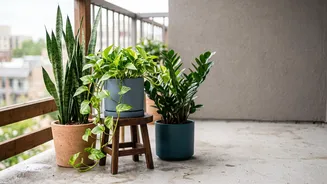
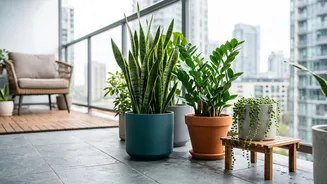
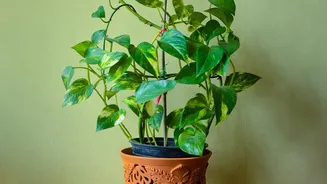
Not all balconies are bathed in sunlight, but that doesn’t mean you can't have a thriving garden. Several plants excel in low to medium indirect light. The Snake Plant is virtually indestructible and a powerful air purifier, making it ideal for urban homes. It tolerates low light and infrequent watering, with overwatering being its main vulnerability. The ZZ Plant is another champion of neglect, with waxy, dark green leaves that look polished even with minimal care. It can survive in very low light and go weeks without water. Finally, the ubiquitous Money Plant (Pothos) is incredibly versatile, happy to trail from hanging baskets or climb up a support, all while purifying the air and thriving in less-than-ideal lighting.
The Rise of the Practical Edibles
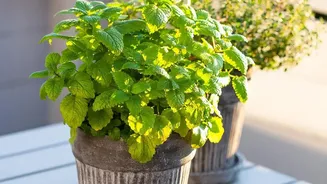
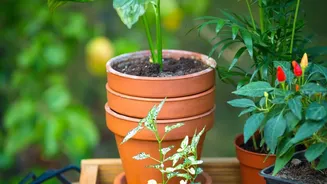
Practicality in gardening also means growing things you can eat. A kitchen herb garden on the balcony is both rewarding and easy to maintain. Mint (Pudina) is famously vigorous and grows abundantly in a pot, though it's best kept in its own container to prevent it from taking over. Tulsi (Holy Basil) is a must-have in many Indian homes; it's resilient, requires moderate sunlight, and has numerous medicinal uses. Curry Leaves (Kadi Patta) grow well in a sunny pot, providing fresh flavour for countless dishes. For something more substantial, many compact varieties of chillies and tomatoes are specifically bred for container gardening and produce a satisfying harvest on a small footprint.
Tips for a Thriving Low-Care Garden
Choosing the right plants is half the battle; a few smart setup choices can make your gardening journey even easier. Use pots with good drainage holes to prevent waterlogging, the number one killer of many low-water plants. Instead of heavy garden soil, opt for a light, well-draining potting mix, often containing coco peat and compost, which retains moisture without becoming soggy. Group plants with similar light and water needs together. For instance, keep your sun-loving succulents in one area and shade-tolerant ferns in another. This streamlines your care routine. Finally, remember that 'low-maintenance' doesn't mean 'no-maintenance'. A quick weekly check for water and pests is usually all it takes to keep your practical paradise flourishing.