



The Deceptive Nature of Sugary Drinks
When you're parched, a sweet, fizzy drink or a thick, cold fruit juice can feel like the ultimate relief. However, the high concentration of sugar in these beverages presents a problem for your body. This phenomenon is related to osmolality. Drinks with
high sugar content are 'hypertonic,' meaning they have a higher concentration of solute (sugar) than your body's fluids. To process this sugar, your body actually needs to pull water from its own cells to dilute it in the gut before it can be absorbed. The result? You might feel a temporary quench, but you are creating a net deficit, making you less hydrated than before. This cycle can lead to increased thirst, headaches, and fatigue, the very symptoms you were trying to avoid.
Decoding Common Summer 'Hydrators'
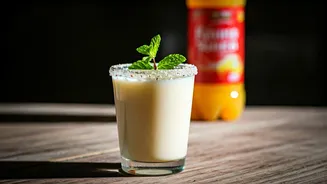
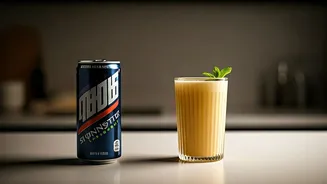
Let's look at the usual suspects. A standard bottle of a carbonated cold drink can contain anywhere from 8 to 12 teaspoons of sugar. Packaged fruit juices, often marketed as a healthy choice, are frequently just as bad, with much of the natural fibre stripped away, leaving you with 'fruit-flavoured sugar water.' Even some traditional Indian drinks, when bought from a store or street vendor, can be sugar traps. A glass of commercially prepared nimbu pani or lassi might have several spoons of sugar added to cater to popular taste, negating their inherent hydrating benefits. Being mindful of these hidden sugars is the first step towards better hydration.
Water: The Undisputed Champion
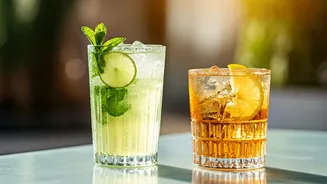
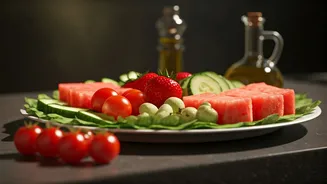
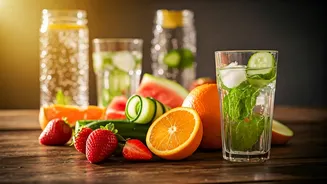
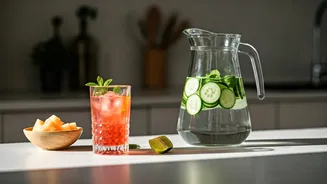
There is no substitute for water. It is the foundation of all hydration. Your body needs it for everything from regulating temperature to lubricating joints and flushing out toxins. The age-old advice to drink 8-10 glasses a day is especially crucial during the hot and humid Indian summer when you lose more fluids through sweat. If you find plain water boring, don't give up on it. Instead, make it more appealing. Add slices of cucumber, lemon, or mint for a refreshing flavour. A few pieces of strawberry or a sprig of rosemary can also transform a simple glass of water into a sophisticated, zero-calorie infusion that you'll actually want to drink.
Smart, Low-Sugar Alternatives
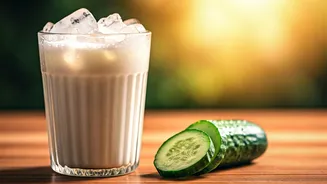
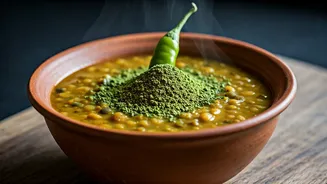
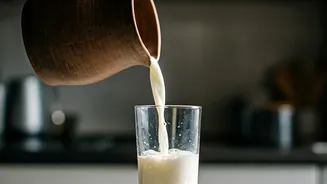
Beyond water, there are plenty of delicious and genuinely hydrating options rooted in Indian tradition. The key is to prepare them at home where you can control the ingredients. **Coconut Water (Nariyal Pani):** This is nature’s sports drink. It’s packed with natural electrolytes like potassium and magnesium, which are essential for rehydration after sweating. Opt for fresh coconut water over packaged versions, which can sometimes have added sugars. **Buttermilk (Chaas):** A staple in many Indian homes, unsweetened or lightly salted chaas is a powerhouse. It cools the body, aids digestion with its probiotics, and replenishes fluids and salts lost through sweat. A pinch of roasted cumin powder (jeera) and black salt (kala namak) makes it even better. **Homemade Nimbu Pani:** The classic lemon water is fantastic for hydration, but only when you make it yourself. Use the juice of a whole lemon, a pinch of salt (or black salt), and either skip the sugar entirely or use a minimal amount. It provides Vitamin C and helps restore electrolyte balance. **Jaljeera:** This tangy, savoury drink is not just a treat for the taste buds. Made with cumin, mint, ginger, and other spices, it's an excellent digestive aid and a wonderfully refreshing hydrator that helps cool you down from the inside.
Listen to Your Body’s Cues
Don't wait until you feel desperately thirsty to drink. Thirst is an early sign that your body is already on its way to being dehydrated. Other tell-tale signs include a dry mouth, darker-than-usual urine, fatigue, and even mild dizziness. Make a conscious effort to sip water and other healthy fluids throughout the day, even when you're indoors in an air-conditioned environment. Proactive hydration is far more effective than trying to play catch-up when you're already feeling the effects of the heat. Carry a reusable water bottle with you as a constant reminder to keep sipping.