

The Race to Rebuild in the Mountains
For Himalayan states like Himachal Pradesh and Uttarakhand, the end of the monsoon marks the start of a critical race against time. This year's heavy rains have once again led to widespread damage. As of mid-September 2026, dozens of roads remained blocked
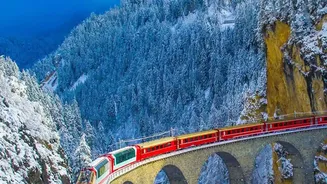
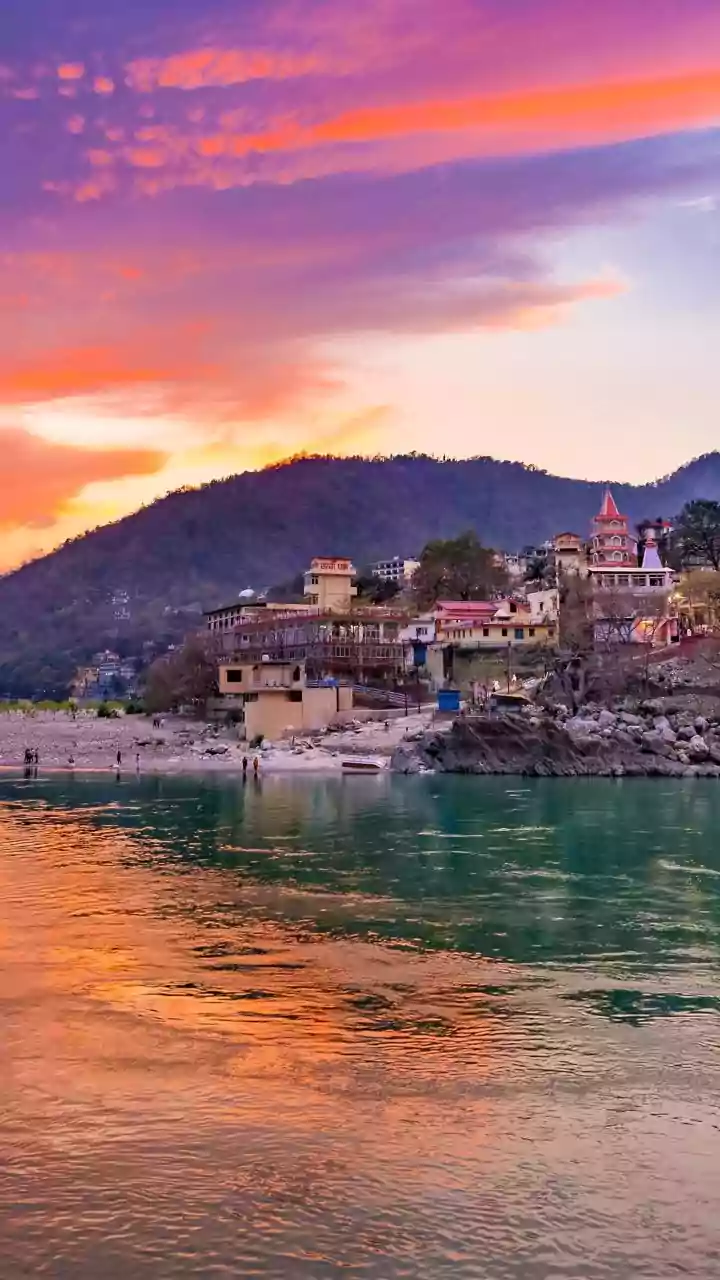
across Himachal Pradesh in key tourist districts like Mandi, Kullu, Kangra, and Shimla. The primary challenge is repairing and stabilising arterial routes and national highways, which are prone to landslides and sinking zones, before the winter snow arrives. Authorities in Uttarakhand have already directed departments to prepare a comprehensive plan for road repairs on a war footing as soon as the rains subside, with the Chief Minister planning to tour the state in October to review the work. For tourists, this means that while main towns may become accessible, roads to remote valleys and high-altitude trekking routes could face delays in opening.
Coastal Destinations: A Different Kind of Cleanup
Winter readiness looks different in coastal hotspots like Goa. Here, the concern isn't landslides but the aftermath of heavy showers on beachside infrastructure. The primary task is the setup of the iconic beach shacks, which are dismantled before the monsoon. Thankfully for tourism, the Goa government has been proactive. For the 2026-27 season, authorities began issuing licences to shack operators by mid-September, a move welcomed by local businesses as it allows them to prepare well in advance for the tourist season, which typically begins in October. Tourism Minister Rohan Khaunte stressed the importance of having these establishments ready early to welcome visitors. While the monsoon's intensity can affect beach erosion and cause localized waterlogging, the administrative processes for getting tourism amenities up and running appear to be on schedule.
What 'Readiness' Really Means for Travellers
A destination being 'ready' extends far beyond just an open road or a standing hotel. The monsoon's impact is systemic. In the mountains, it affects power and water supply, with reports from Himachal showing disruptions to electricity transformers and drinking water schemes. Readiness involves ensuring these essential services are stable for the influx of winter tourists. It also means that slopes are assessed for stability to prevent future landslides and that local businesses are fully restocked after months of logistical hurdles. In places like Uttarakhand, significant budgets are allocated for rebuilding tourism assets and developing infrastructure with disaster preparedness in mind. For travellers, this means looking beyond hotel bookings to check for official updates from state tourism departments on overall safety and infrastructure stability.
An Uneven Monsoon's Varied Impact
It's important to remember that the monsoon's impact is not uniform across India. Forecasts for the 2026 season suggested a complex picture, with some predictions of a 'below-normal' monsoon influenced by El Niño conditions, while other periods saw extremely heavy localised rainfall. Some regions may experience a relatively dry season with minimal damage, making them ready for tourists sooner. In contrast, areas hit by short, intense cloudbursts can suffer disproportionate damage to infrastructure, even if the seasonal average seems normal. This variability makes it crucial for travellers to research the specific conditions of their intended destination rather than relying on a generalised national picture. A district that saw flash floods will have a much longer recovery time than one that experienced consistent, moderate rainfall.
How to Plan Your Winter Trip Smartly
Given the unpredictable aftermath of the monsoon, a smart travel plan is a flexible one. As you plan your winter 2026-27 holiday, prioritise staying informed. Check official sources like the State Emergency Operation Centre (SEOC) for road status reports, especially in Himachal Pradesh. Follow updates from state tourism board websites and their official social media handles. Booking accommodations that offer flexible cancellation or rescheduling policies can provide a safety net. For mountain travel in early winter, consider sticking to more accessible towns and check the status of internal roads before planning day trips. For coastal trips, while shack licences are being issued, confirm with your chosen operator when they expect to be fully operational. A little bit of research can go a long way in ensuring your winter holiday is both safe and enjoyable.