






Cardiovascular Health: A Tie for the Heart
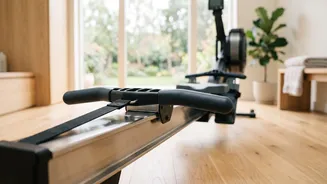
Both dancing and rowing are stellar for cardiovascular health. Regular rowing sessions strengthen the heart, improve circulation, and can help lower blood pressure and cholesterol. The rhythmic nature of rowing provides a steady, controlled cardio workout.
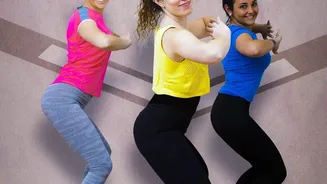
Similarly, studies have shown that moderate-intensity dancing can reduce the risk of cardiovascular mortality, sometimes even more than walking. Dance cardio effectively gets your heart pumping, building endurance and strengthening your heart muscle over time. Whether you prefer a structured rowing interval or a free-flowing dance session, your heart will thank you.
Calorie Burn: Intensity Is Key
When it comes to burning calories, rowing often has the edge in a head-to-head comparison due to its high-intensity nature. A 30-minute session of vigorous rowing can burn between 250 and 400 calories, depending on your weight and effort. This is because it engages a vast percentage of your body's muscles at once. However, dancing is no slouch. A high-energy dance class can burn over 300 calories in 30 minutes, with some vigorous styles matching the burn of a steady run. The key variable for both is intensity; a gentle waltz won't compete with a high-intensity interval session on a rower, but an explosive street dance class might.
Muscle Engagement: A True Full-Body Workout
Rowing is renowned as one of the most comprehensive full-body workouts available. Each stroke activates up to 85% of your body's musculature, with about 65-75% of the effort coming from the legs and 25-35% from the upper body. It systematically works the legs, glutes, core, back, and arms. Dancing also provides a full-body workout, but the specific muscles engaged can vary dramatically by style. While ballet focuses on core strength, balance, and leg muscles, a hip-hop or salsa class will involve more dynamic, multi-directional movements that challenge coordination and engage different muscle groups. Rowing offers a more consistent and predictable muscle engagement pattern with every session.
Joint Impact: Two Low-Impact Champions
Here, both activities are clear winners for anyone concerned about their joints. Rowing is a non-weight-bearing exercise performed while seated, which means it places minimal stress on the ankles, knees, and hips. This makes it an excellent option for people of all fitness levels, including those with joint pain or who are in active recovery. Most forms of dance cardio are also low-impact, keeping at least one foot on the ground to avoid the jarring force of running or jumping. This gentler approach allows for consistency without the strain of high-impact alternatives, protecting your joints in the long run.
Accessibility, Cost, and the Fun Factor
This is where the two diverge significantly. Dancing's greatest strength is its accessibility. You can do it anywhere, anytime, with no equipment required—just some music and space to move. It offers endless variety and can be a highly social activity, which studies suggest is a major factor in long-term adherence. Rowing requires access to a rowing machine, either at a gym or through a home purchase, which presents a cost barrier. The 'fun factor' is deeply personal. For some, the rhythmic, meditative quality of rowing is a perfect way to de-stress. For others, the creativity, social connection, and sheer joy of dance make it a workout that doesn't feel like work.