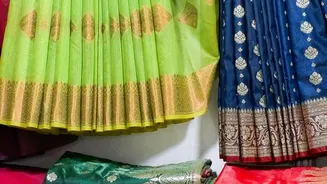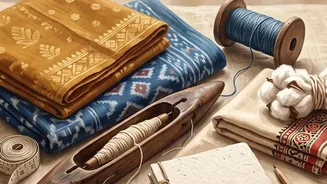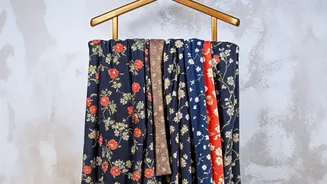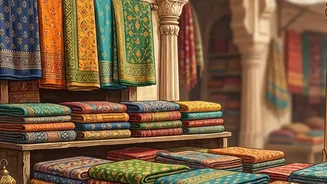

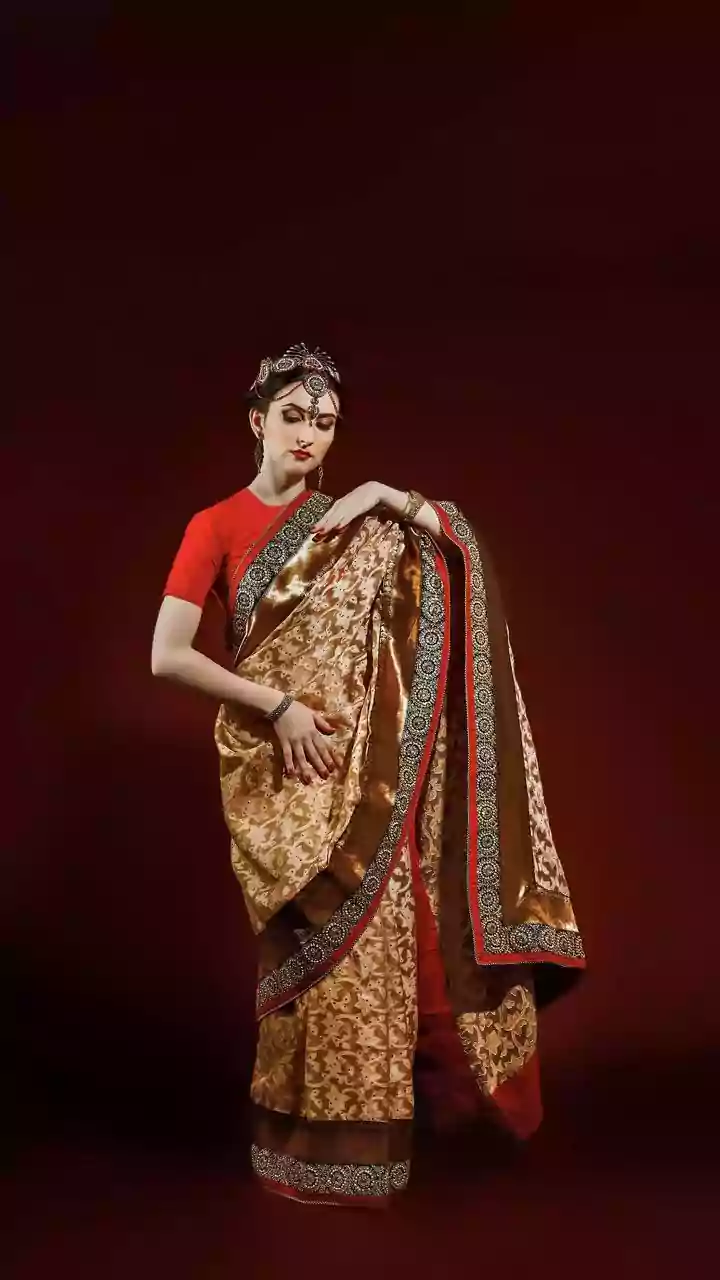
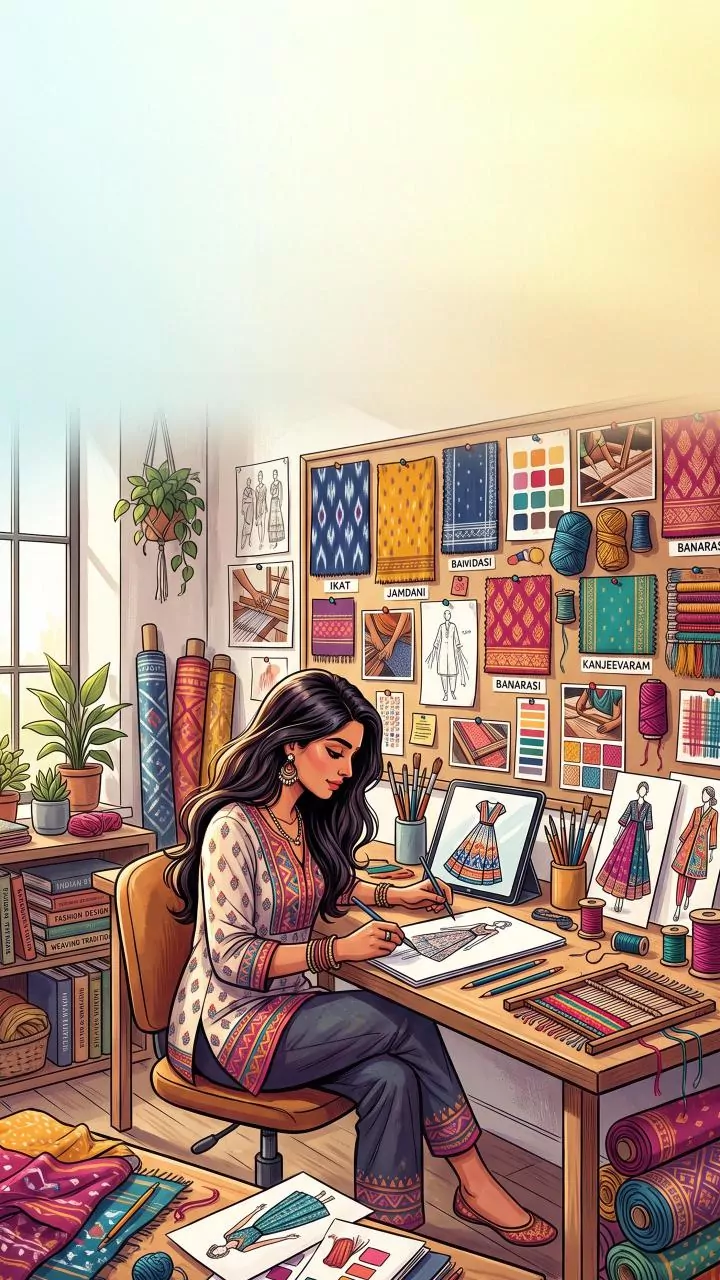
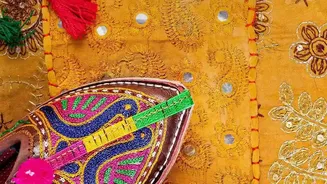
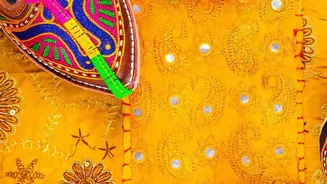
In countless Indian households lies a treasure trove of memories woven into soft, worn-out saris. But what happens when they are too faded to be worn? This is where a beautiful story of transformation and sustainability begins.
A Second Life for Six Yards of Grace
Long before 'upcycling'
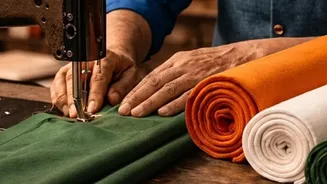
and 'sustainable fashion' became global buzzwords, Indian women had perfected the art of giving old textiles a new lease on life. A sari is never just a piece of cloth; it’s a repository of moments, from weddings and festivals to everyday comfort. When these garments become too worn to be draped, they don't end up as waste. Instead, they are carefully cleaned, stacked, and stitched into items of both beauty and utility, embodying a tradition of resourcefulness passed down through generations. This practice is not just about saving money; it’s about preserving memories and embedding them into the very fabric of a home, turning a mother’s favourite sari into a grandchild’s first blanket.
The Narrative Stitches of Kantha
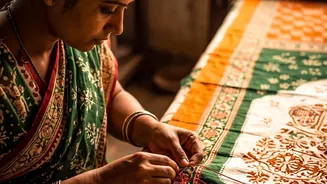
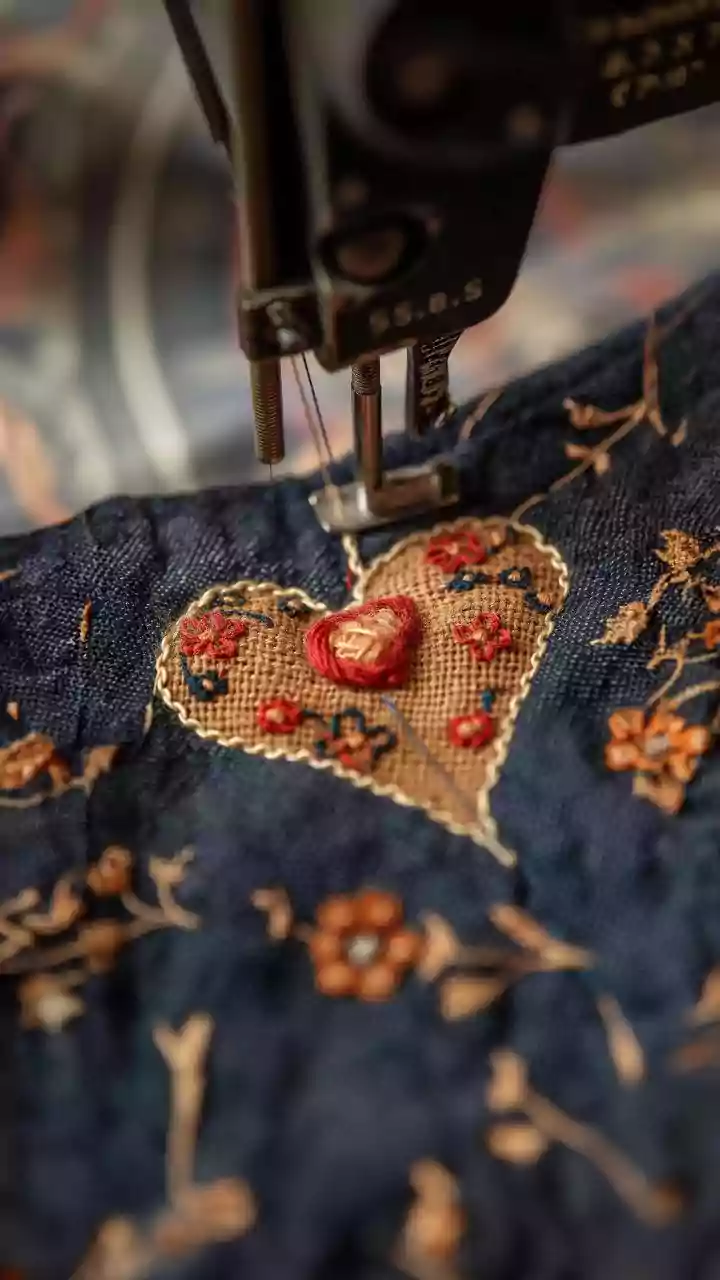
One of the most celebrated forms of this textile craft comes from Bengal: the Kantha quilt. Traditionally, women would layer three to four old cotton or silk saris and use a simple running stitch to bind them together. The thread itself was often pulled from the colourful borders of the saris being used. But Kantha is more than just quilting; it's a form of storytelling. The stitches, known as 'nakshi kantha' when intricate, create elaborate motifs of flowers, birds, animals, and scenes from mythology and daily life. Each quilt becomes a soft, light, and unique canvas, whispering tales of the creator's world, her dreams, and her heritage. While originally made as light blankets, especially for children, the Kantha stitch has found modern expression on everything from jackets to decorative throws.
The Layered Comfort of Godhadi
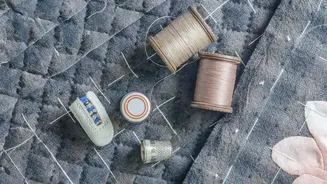
In Maharashtra and Goa, a similar tradition of affection and thrift is known as Godhadi. These hand-stitched quilts are made by layering pieces of old clothes, with saris and dupattas often forming the outer layers and smaller fabric pieces tucked inside. The process is a social affair, with women often gathering in the afternoons, especially during seasons with less farm work, to stitch and share stories, songs, and laughter. Unlike the colourful threads of Kantha, Godhadis are traditionally stitched with white thread, believed to be stronger as it's not weakened by dyes. The result is a dense, warm, and incredibly comforting blanket, with each patch holding a memory of a beloved garment. It's a craft that turns scraps into a symbol of familial love and community bonding.
Beyond Quilts: Weaving Rugs and More
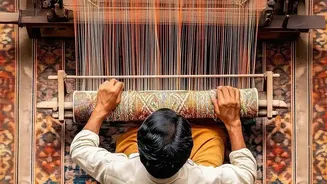
The ingenuity of Indian textile recycling doesn't stop at quilts. In states like Gujarat, strips of waste fabric, or 'Chindi', are woven into colourful and durable rugs. This technique proves that even the smallest remnants can be transformed into something wonderful. Similarly, in Haryana, Panja Dhurries are woven from leftover fabrics, creating striking floor coverings with bold geometric patterns. The versatility of old saris means they can be repurposed into a myriad of items, including cushion covers, tote bags, scarves, and even curtains. This resourcefulness ensures that every last thread is put to good use, preventing textile waste and promoting a circular economy that has been part of the Indian ethos for centuries.
An Enduring Legacy of Sustainability
These traditional crafts are a powerful reminder that sustainability is not a new trend but ancestral wisdom wrapped in thread. They represent a model of living that is mindful, resourceful, and deeply connected to cultural roots. By transforming worn-out saris into quilts and rugs, artisans are not just creating functional items; they are preserving stories, empowering women in rural communities, and practising a form of sustainable living that is more relevant today than ever. As the world grapples with the environmental impact of fast fashion, these age-old Indian crafts offer a beautiful, tangible solution, proving that the most valuable things are often those made with love, patience, and a touch of the past.