







More Than Just a Niche
The Indian vegan food market is experiencing significant growth, with dairy alternatives leading the charge. This boom is not confined to a small group of ethical vegans but is increasingly fueled by a larger demographic of health-conscious consumers
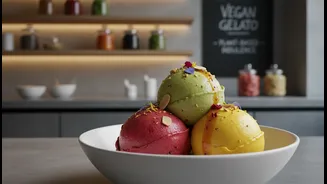
and flexitarians. These are diners who, while not strictly vegan, are actively choosing plant-based options for perceived health benefits. Premium and artisanal brands like Nomou, Minus 30, and Papacream have responded, crafting high-quality vegan gelatos that are now available in hundreds of stores across the country, moving the trend from a niche interest into the mainstream dessert scene. This shift is part of a broader culinary transformation where plant-based food is no longer seen as a compromise but as a desirable, indulgent choice in its own right.
The Digestive Discomfort Driver
A significant, often overlooked, driver behind this trend is lactose intolerance. A surprisingly large percentage of the Indian population—estimated to be as high as 60-65%—has difficulty digesting lactose, the sugar found in milk. Prevalence is particularly high in South India, where studies suggest it could affect over 66% of adults. For these individuals, traditional dairy-based gelato can lead to uncomfortable symptoms like bloating and stomach cramps. Vegan gelatos, made from bases like almond, coconut, or soy milk, offer a creamy, satisfying dessert experience without the digestive distress, making them a natural choice for a huge segment of the population.
The 'Health Halo' Effect
For many, choosing a vegan dessert comes with a 'health halo.' Consumers are increasingly aware of the links between diet and wellness, seeking to lower their intake of cholesterol and saturated fats. Plant-based gelatos often have a better nutritional profile in this regard, being naturally cholesterol-free and frequently lower in saturated fat than their dairy counterparts. This appeals to urban consumers exploring 'low-inflammation' diets and those looking to manage weight or reduce their risk of chronic diseases. While they are still indulgent treats with sugar, the perception of them as a 'better-for-you' option makes the choice feel less like a guilty pleasure and more like a mindful indulgence.
The Art of the Artisanal Vegan Scoop
The success of this pivot in the premium sector hinges on one crucial factor: taste and texture. Early vegan ice creams often failed to impress, but modern artisanal makers have perfected their craft. They use high-quality plant-based milks—like oat for creaminess, coconut for richness, or almond for a nutty profile—to create a product that rivals traditional gelato. Brands like Nomou focus on small-batch production using minimal, locally sourced ingredients and gelato machines to achieve a dense, rich consistency. This commitment to craft ensures that consumers are not sacrificing flavour or mouthfeel, which is essential for the premium dessert market where quality is paramount. The innovation extends to flavours, with brands offering both classic choices and unique Indian-inspired options like Paan and Thandai gelato.
A Sustainable and Ethical Choice
Beyond personal health, the move towards plant-based eating is also influenced by growing ethical and environmental concerns, particularly among younger, urban consumers. This demographic is increasingly aware of the environmental footprint of dairy farming and issues surrounding animal welfare. Choosing a vegan gelato aligns with a desire for a more sustainable and cruelty-free lifestyle. This values-driven consumption is a powerful force, suggesting that the demand for high-quality, plant-based alternatives is not just a passing trend but a long-term evolution in consumer behaviour that reflects a deeper shift in how we think about our food.