




Why Quarantine Is Non-Negotiable
It’s tempting to immediately place your new plant in that perfect, pre-selected spot. However, this is a risky move. Nurseries and garden centres are busy places, and even the healthiest-looking plant can harbour tiny, near-invisible pests like spider
mites, mealybugs, thrips, or scale. Their eggs can be hidden in the soil or in leaf crevices, ready to hatch and spread to your established collection. An infestation that starts on one plant can quickly become a home-wide problem, causing damage and stress for both you and your plants. Quarantine is your first line of defence. It creates a necessary buffer period to spot and deal with any issues before they escalate, ensuring your new plant is a healthy addition, not a Trojan horse.
Step 1: The All-Important Inspection
Your quarantine process begins the moment you get home, starting with a thorough inspection. Find a well-lit area and examine every part of your new plant. Check the tops and, crucially, the undersides of all leaves. Look for fine webbing (a sign of spider mites), tiny white cottony specks in leaf joints (mealybugs), or small brown bumps on stems (scale insects). Also inspect for yellowing leaves, dark spots, or silvery streaks, which can indicate disease or other pests. Don't forget the soil. Check the surface for any signs of movement, like tiny fungus gnat larvae. Using a magnifying glass can be helpful for spotting these minuscule threats.
Step 2: A Gentle First Cleaning
Once the initial inspection is done, give your new plant a spa day. This physical cleaning can dislodge many pests and wash away dust that can block light. For hardier plants, a gentle shower with lukewarm water works wonders. Place the plant in your tub or sink and let a soft stream of water run over the leaves and the soil surface for about 30 seconds. For more delicate plants or those sensitive to overwatering, a manual wipe-down is better. Use a damp, soft cloth to gently wipe every leaf and stem. This simple act removes potential hitchhikers and prepares the plant for its temporary new home.
Step 3: Setting Up the Quarantine Zone
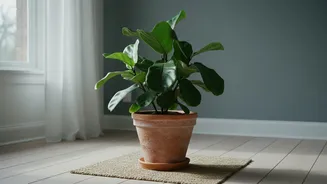
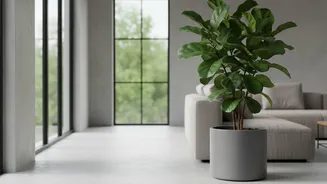
The key to effective quarantine is isolation. Choose a location for your new plant that is in a completely separate room from your existing collection. Pests like fungus gnats can fly, and spider mites can travel on air currents, so simply placing the new plant on a different shelf in the same room is not enough. This isolation spot doesn't have to be a dark closet; the plant still needs adequate light to stay healthy. A windowsill in a spare bedroom, bathroom, or home office is an ideal choice. Ensure the spot is away from drafts and heat vents, and that the quarantined plant is not touching any other plants.
Step 4: The Waiting Game and What to Do
The quarantine period should last for at least two to four weeks. Some experts recommend a 40-day period to be completely safe, as this covers the life cycle of most common pests. During this time, continue to care for the plant as you normally would regarding light and water, but hold off on fertilizing. The plant is already adjusting to a new environment, and fertilizer can add unnecessary stress. Inspect the plant thoroughly once a week, looking for any of the same signs of pests or disease you checked for initially. This consistent monitoring is crucial for catching any problems that may have been hidden or in egg form when you first brought the plant home.
What to Do If You Find Pests
Discovering pests during quarantine isn't a disaster—it's the system working! If you spot bugs, you have several options. For small numbers of pests like mealybugs, a cotton swab dipped in rubbing alcohol can be used to remove them individually. For a more widespread issue, a spray made of mild dish soap and water or a commercial insecticidal soap can be very effective against soft-bodied insects. Neem oil is another popular, natural option that can be sprayed on the foliage and used as a soil drench. After treatment, continue the quarantine and keep monitoring to ensure the pests are completely gone before you consider moving the plant.