



A Dazzling Festive Season for Gold
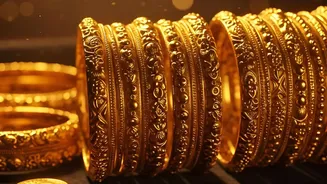
This year's Dhanteras and Diwali season has been exceptionally bright for India's gold market. According to the India Bullion and Jewellers Association (IBJA), consumers purchased a staggering 52 tonnes of gold, valued at approximately ₹72,000 crore.
This represents a remarkable 30% increase in volume compared to the same period last year, signalling a strong comeback after a relatively subdued first half of the year. While different trade bodies have offered slightly varied estimates, the consensus points towards a significant uptick in consumer spending on the precious metal, driven by a combination of cultural sentiment and favourable market conditions.
Price Correction Unlocks Pent-Up Demand
A key driver behind the festive rush was a timely correction in gold prices. After hitting a peak of around ₹1.8 lakh per 10 grams in January 2026, prices softened to between ₹1.42 lakh and ₹1.49 lakh by Dhanteras. This drop of nearly 21% from the year's high acted as a powerful incentive for buyers who had been waiting on the sidelines. Industry figures noted that while prices were still higher than the previous year's festive season, the significant dip from the peak created a crucial window of opportunity. This encouraged families to make essential purchases for the upcoming wedding season, locking in prices before any potential future volatility.
The Voice of the Industry
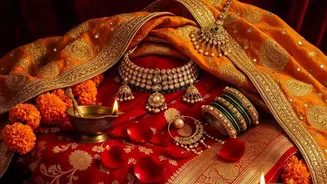
Leaders from India's top jewellery associations have highlighted the interplay of factors that led to the sales boom. Surendra Mehta, national secretary of the IBJA, had predicted a volume increase of 10-12% ahead of Dhanteras, a forecast that was ultimately surpassed. Other organisations like the All India Gem and Jewellery Domestic Council (GJC) also pointed to a 15-20% rise in the value of sales, estimating the Dhanteras gold business at around ₹60,000 crore. Experts observed that the timing was perfect, with the festival's proximity to the winter wedding season creating a 'double driver' for demand. The arrival of salaries and festive bonuses just before the shopping period further boosted household purchasing power.
Smart Shopping and Shifting Preferences
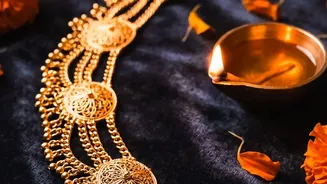
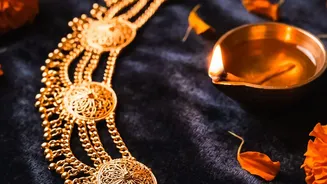
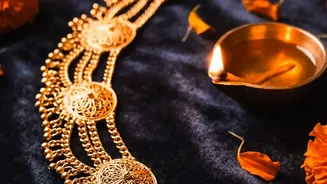
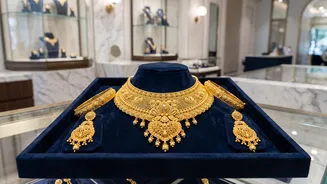
While the headline numbers are impressive, jewellers describe a more nuanced consumer strategy on the ground. The 2026 festive buyer was more careful and adaptive. Instead of abandoning gold due to elevated baseline prices, shoppers adjusted their choices. Retailers reported a trend towards lightweight jewellery, with customers opting for 12-13 gram necklace sets over heavier 30-40 gram designs. There was also strong demand for 18-carat pieces, smaller coins of 1 to 5 grams, and everyday-wear items. This shift indicates that while the cultural imperative to buy gold remains strong, consumers are making pragmatic choices to fit their budgets, preserving tradition without overextending their finances. Old-gold exchange schemes also played a significant role, allowing families to upgrade their holdings with less out-of-pocket spending.
Beyond Jewellery: Investment and Digital Gold
The festive season also underscored gold's enduring appeal as a safe-haven asset. While jewellery was the main attraction, investment-led demand for coins and bars remained resilient. Digital gold platforms also continued to see firm demand, with purchases rising month-on-month leading into the season. This dual role as both a cultural centrepiece and a stable financial asset is fundamental to its place in the Indian economy. The strong sales figures are seen by many in the industry not just as a festive trend, but as a positive indicator of recovering consumer confidence and economic health. As the wedding season gets into full swing, jewellers are optimistic that this golden momentum will continue.