



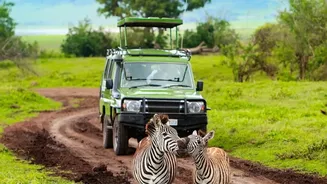
Winter in India brings cooler weather and a powerful urge to travel. For many, this means heading to our stunning national parks, where the crisp air makes for perfect safari conditions and wildlife is often more active. But what does this seasonal surge
in visitors mean for the animals and their homes?
The Challenge of the Winter Rush
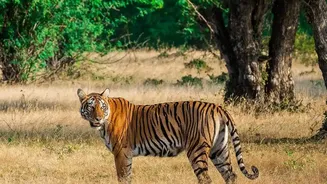
The period from November to February is widely considered the best time for wildlife safaris in India. The pleasant temperatures make for comfortable travel and, more importantly, animals like tigers and leopards are more likely to be seen basking in the winter sun. This creates a massive draw for tourists, leading to a peak season in parks like Ranthambore, Kanha, and Jim Corbett National Park. However, this boom in tourism is a double-edged sword. While it generates crucial revenue for conservation and local economies, it also places immense pressure on fragile ecosystems. An influx of vehicles, noise, and human presence can lead to habitat fragmentation, disturb animal behaviour, alter hunting patterns, and increase stress on wildlife. Without careful management, the very thing people come to see could be irrevocably harmed.
The Foundation of a Responsible Safari
This is where responsible tourism guidelines come into play. Spearheaded by bodies like the National Tiger Conservation Authority (NTCA), these regulations are not just suggestions; they are a comprehensive framework designed to balance tourism with conservation. The core idea is that tourism should support, not hinder, the protection of wildlife. These guidelines govern everything from the number of vehicles allowed in a park's core zones to the conduct of tourists and guides. The goal is to minimise the human footprint and ensure that safari activities are conducted in a way that is respectful to the animals and their environment. When properly implemented, these rules transform a simple tourist activity into a powerful tool for conservation, with park fees and associated revenue directly funding anti-poaching units, habitat maintenance, and scientific research.
Protecting the Land Itself
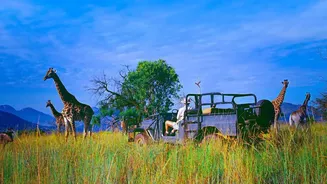
Responsible guidelines address habitat protection in very direct ways. First, they strictly limit the number of safari vehicles permitted inside a park at any given time and restrict them to designated routes. This prevents the creation of new tracks that fragment the habitat and ensures that large parts of the forest remain undisturbed. Off-roading is strictly illegal and heavily fined. Furthermore, rules against littering, especially plastics, are strictly enforced to prevent pollution that can harm both soil and water sources within the park. Noise pollution is another key focus. Guides are trained to ensure visitors keep their voices low, and mobile phone use is often prohibited to maintain the natural sounds of the forest, reducing stress on animals that rely on their hearing to hunt and detect danger.
Putting Animal Welfare First
The most visible aspect of responsible safari guidelines is how they safeguard animal welfare. A cardinal rule is maintaining a safe and respectful distance from all wildlife. Guides and drivers are trained not to chase animals or crowd them for a better photo. This prevents causing stress that can lead animals to abandon a hunt, a resting spot, or even their young. Feeding wildlife is strictly forbidden, as it alters natural behaviour and can lead to dependency on humans and increased human-animal conflict. Similarly, the use of flash photography is banned because the sudden burst of light can startle or temporarily blind animals, making them vulnerable. These rules ensure that tourists are observers, not intruders, allowing wildlife to go about their lives with minimal interference.
The Tourist's Role in Conservation
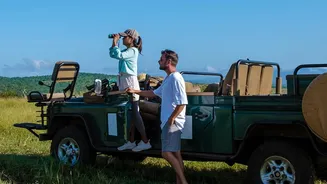
Ultimately, the success of these guidelines depends on everyone involved, including the tourists themselves. Your choices and actions have a direct impact. Begin by choosing responsible safari operators and lodges that are known for their commitment to conservation and employing local staff. While on safari, listen to your guide and respect their instructions—they are trained professionals whose priority is the safety of both you and the wildlife. Be patient; wildlife sightings are a matter of chance, not a guarantee. Never pressure your driver to break the rules for a closer look. By being a mindful and respectful guest in the animals' home, you actively contribute to the sustainability of wildlife tourism. Your responsible behaviour helps ensure that these incredible natural spaces remain wild and protected for generations to come.