
The New Face of Snacking
Walk through any supermarket or scroll through a quick-commerce app, and the change is clear. Shelves once dominated by carb-heavy chips and biscuits now feature protein bars, fortified yogurts, and baked millet snacks. It’s a significant transformation
in a country where snacking is deeply ingrained in the social fabric. This shift is driven by a growing awareness that what we eat between meals matters. Consumers are actively looking for snacks that offer functional benefits, such as sustained energy and better nutrition, rather than just empty calories. According to one consumer study, a staggering 86% of respondents now consider protein important when choosing a snack. This mindful approach is reshaping the entire snacking landscape, pushing brands to innovate and cater to a more health-conscious consumer.
Why Protein, Why Now?
Several factors are fueling this protein revolution. A primary driver is a widespread recognition of the 'protein gap' in typical Indian diets, which are often rich in carbohydrates but lacking in adequate protein. Studies have highlighted that a significant portion of the Indian population is protein-deficient, a fact that is now entering public consciousness. Increased health literacy, amplified by social media, means people are more aware of protein's role in everything from muscle repair to overall wellness. This isn't just about building muscle; it's about weight management, staying full longer, and avoiding the energy slumps associated with sugary snacks. The demand is no longer confined to metro cities, with tier-2 and tier-3 cities showing faster growth in protein-related purchases, indicating a nationwide shift in dietary priorities.
The Return of Traditional Powerhouses
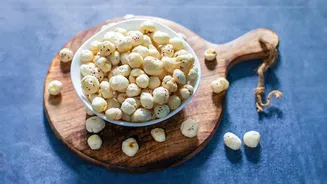
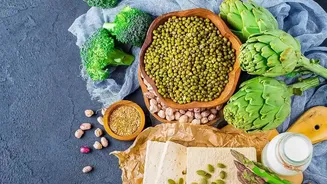
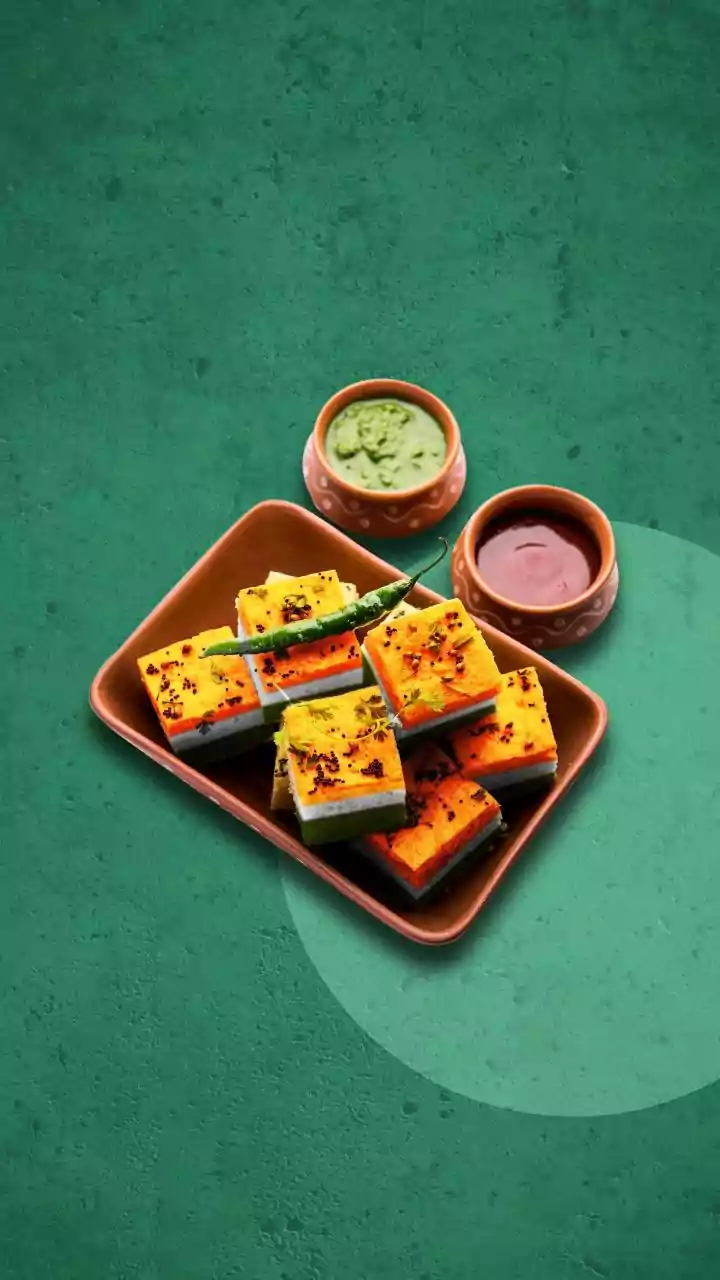
Interestingly, this new trend is also bringing old favourites back into the limelight. Many of the most popular high-protein snacks are traditional Indian foods that are being rediscovered for their nutritional value. Roasted chana (chickpeas), makhana (fox nuts), and various dals are being celebrated as natural, effective protein sources. Makhana, once considered a fasting food, is now a mainstream alternative to potato chips. Similarly, snacks made from besan (gram flour), paneer cubes, and sprouts chaat are all being viewed through a new, protein-focused lens. These familiar foods offer a comforting and affordable way to boost protein intake without relying solely on modern, processed products.
Modern Snacks Rise to the Occasion
Alongside the revival of traditional snacks, a new market for convenient, packaged protein foods is booming. Protein bars, once a niche product for athletes, are now a common sight in office bags and school lunchboxes. The dairy aisle has also transformed, with Greek yogurt and high-protein dahi (curd) replacing sweeter, dessert-like options. Brands are launching everything from protein cookies and fortified breakfast cereals to ready-to-drink protein shakes, catering to the busy, urban consumer who needs nutrition on the go. The emphasis is increasingly on 'clean labels,' with consumers showing a preference for snacks with natural ingredients and no preservatives.