

The Shower, The Peak, and The Problem
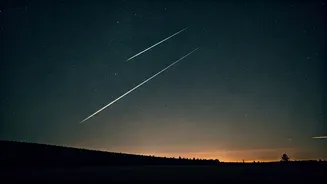
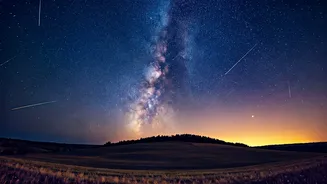
The end of July brings the peak of the Southern Delta Aquariid meteor shower. This annual event is active from mid-July to late August, and in 2026 it's set to reach its maximum activity on the night of July 30-31. While not as prolific as the famous
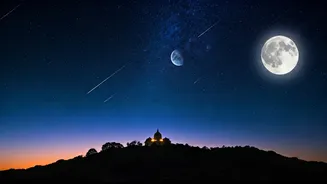
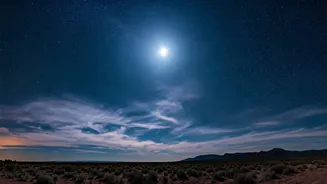
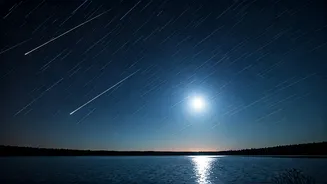
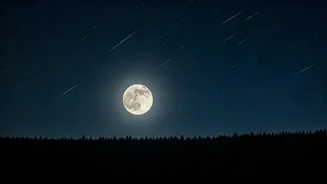
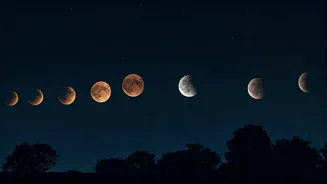
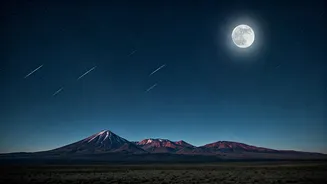
Perseids of August, the Delta Aquariids can still produce a respectable 25 meteors per hour under ideal conditions. However, 2026 presents a significant challenge. The full moon, known as the Buck Moon, occurs on July 29. This means that during the meteor shower's peak, the moon will be 98% full, casting a brilliant glare across the night sky and making it difficult to spot the fainter meteors.
Why Moonlight is a Meteor Killer
Think of the night sky as a black canvas. Meteors, especially fainter ones, are like delicate brushstrokes of light. A full moon is like a giant floodlight pointed at that canvas. The moonlight scatters in our atmosphere, brightening the entire sky and washing out all but the brightest shooting stars. While you might still catch a particularly bright fireball, the overall number of meteors you'll see will be drastically reduced. Instead of the potential 25 per hour, you might only spot a few over the same period. This light pollution from a natural source is frustrating for skywatchers who seek out dark rural skies, only to find the brightest object in the sky is the one foiling their plans.
Tips for Braving the Glare
All is not lost for the most dedicated observers. While the view will be compromised, you can still try your luck. First, get as far away from city lights as possible; you don't want to compete with both artificial and natural light pollution. Second, be patient. Your eyes need at least 20-30 minutes to adapt to the darkness for optimal viewing. Try to position yourself in the shadow of a building or a line of trees to block the direct glare of the moon. Lie on a blanket or reclining chair and look away from the moon towards the darkest part of the sky. The radiant of the shower is in the constellation Aquarius, but meteors can appear anywhere. Instead of focusing on the count, appreciate the ones you do see, which are likely to be the brightest and most spectacular.
Mark Your Calendar: A Better Show is Coming
For those who prefer better odds, the good news is that the best meteor shower of the year is just around the corner, and it promises perfect viewing conditions. The Perseid meteor shower will peak on the nights of August 12-13, 2026. What makes this year exceptional is that the peak coincides with a new moon, which means the skies will be completely dark. The Perseids are known for being bright and numerous, with rates of up to 100 meteors per hour in a dark sky. For viewers in India, the best time to watch will be from after midnight until dawn on August 13. While the monsoon season can be a challenge, finding a clear, dark sky for the Perseids this year will be well worth the effort.