






What Is This ‘Stronger’ El Niño?
El Niño is a naturally occurring climate pattern, characterized by the warming of sea surface temperatures in the equatorial Pacific Ocean. This change triggers a domino effect, altering weather patterns globally. While El Niño events happen every two
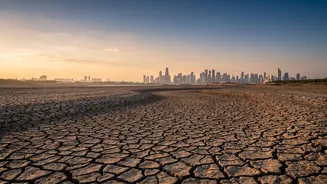
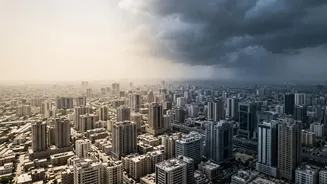
to seven years, the current one developing in 2026 is forecast to be exceptionally strong, potentially the most powerful in over a century. Climate models project it will peak between late 2026 and early 2027. For India, this typically means a weaker, more erratic monsoon season, leading to lower overall rainfall but also increasing the chances of intense, short bursts of extreme rain. This creates a paradoxical threat: the risk of both drought and dangerous flooding.
The Double-Edged Sword of Water
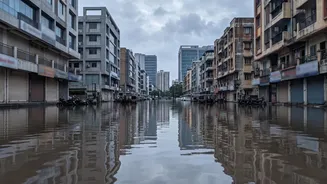
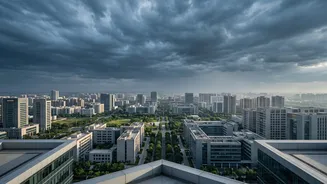
Urban water systems are uniquely vulnerable to El Niño's dual threats. A weaker monsoon means less rainfall to replenish reservoirs that supply our cities, raising the risk of severe water shortages. This puts immense pressure on municipal water supplies, potentially leading to rationing and greater reliance on groundwater. Conversely, the predicted increase in short, intense downpours can overwhelm outdated and poorly maintained urban drainage systems. Rapid and unplanned urbanisation has replaced natural soil with concrete, reducing the ground's ability to absorb water and leading to rapid surface runoff. This is why cities like Bengaluru and Delhi can experience severe waterlogging and flash floods even during a season with below-average rainfall.
When the Lights Go Out
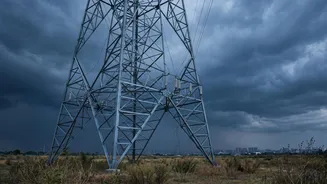
Our power infrastructure is not immune. Extreme heat, often amplified by El Niño, drives up electricity demand as more people use air conditioning. This strain is particularly noticeable at night, as concrete-laden urban areas release trapped heat, preventing cities and their power grids from cooling down. This sustained high demand can lead to power outages. At the same time, extreme weather events like floods and storms directly damage physical infrastructure. Flooding can inundate substations, while high winds can damage transmission towers and power lines, leading to widespread and prolonged blackouts that disrupt homes, businesses, and essential services like healthcare.
Mobility Under Siege
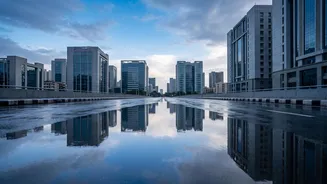
Transportation networks are often the first and most visible casualty of extreme weather. A few hours of intense rain can turn major roads and underpasses into impassable waterways, bringing cities to a standstill. This was seen in Gurgaon and Chandigarh, where even modern expressways were paralysed by flooding. The economic cost is immense, with stalled commerce and lost productivity. Beyond the inconvenience, these disruptions pose serious public safety risks, trapping commuters and delaying emergency vehicles like ambulances. The failure of mobility highlights a critical gap in urban planning, where the focus on building more roads has not been matched by investment in the underlying drainage systems needed to keep them functional.
A Growing Public Health Crisis
The infrastructural challenges posed by El Niño have direct consequences for public health. Heatwaves, intensified by the phenomenon, are a significant threat, linked to dehydration, heatstroke, and increased mortality, particularly among children and the elderly. Flooding brings another set of dangers. Contaminated floodwaters become breeding grounds for waterborne diseases like cholera, typhoid, and leptospirosis. The combination of extreme heat, water scarcity, and flood-related health risks puts an enormous strain on public health systems that are already stretched thin, turning a weather event into a multifaceted urban crisis.