





Every summer, a quiet tragedy unfolds in kitchens across India: heaps of watermelon rind are tossed out. But what if that white and green part of the fruit wasn't waste, but a versatile, nutritious, and free ingredient waiting to be used?
More Than Just Waste
Before you dismiss
the rind as bland or inedible, consider what you're throwing away. The white part of the rind is not only perfectly safe to eat, but it also contains nutrients. It's a source of fibre, which aids digestion, and contains small amounts of vitamin C and potassium. One of its most notable components is citrulline, an amino acid that supports healthy circulation. In fact, the rind contains a higher concentration of citrulline than the sweet pink flesh we all love. By using the rind, you're not just getting more nutritional bang for your buck; you're also taking a meaningful step toward reducing food waste in your home, which is good for both your wallet and the environment.
How to Prepare the Rind
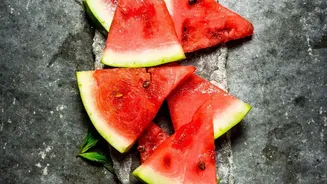
Preparing watermelon rind is simple. After you've enjoyed the sweet, red flesh, you'll be left with the large green shell. The first step is to wash the exterior thoroughly. Using a sharp vegetable peeler or a paring knife, carefully remove the tough, dark green outer skin. You'll be left with the firm, pale white part of the rind, sometimes with a thin blush of pink still attached. This is the part you'll be cooking with. From here, you can chop it, cube it, or slice it into strips, depending on what your recipe calls for. Its flavour is mild and somewhat neutral, often compared to a cucumber, making it incredibly versatile in both sweet and savoury dishes.
Make a Classic Watermelon Rind Sabzi
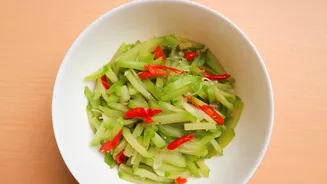
One of the most popular ways to use watermelon rind in India is to make a simple and delicious sabzi. It cooks up much like a gourd (lauki) and readily absorbs the flavours of spices. To make a basic sabzi, start by heating oil in a pan and adding cumin seeds, letting them splutter. Add some grated ginger, chopped green chillies, and powdered spices like turmeric and red chilli powder. Toss in your cubed watermelon rind, add salt, and mix well. Cover and cook for 15-20 minutes, stirring occasionally, until the rind becomes tender. You can finish with a sprinkle of garam masala and a squeeze of lemon juice for a fresh, tangy flavour. This dish pairs beautifully with hot chapatis or steamed rice.
Create Tangy Pickles
Pickled watermelon rind is a classic preparation that transforms the crunchy rind into a tangy condiment. For a quick refrigerator pickle, you'll need vinegar, water, sugar, and salt, along with your choice of pickling spices like black peppercorns, cloves, or coriander seeds. Simply combine the brine ingredients in a saucepan and bring it to a boil to dissolve the sugar and salt. You can then add the rind pieces to the brine and simmer them for 5-10 minutes until they become fork-tender. Pack the rinds and hot brine into a clean glass jar, let it cool to room temperature, and then store it in the refrigerator. They're ready to eat almost immediately and will keep for up to a month.
Explore Other Creative Uses
The versatility of watermelon rind doesn't stop with curries and pickles. It can be blended raw into smoothies for extra fibre and nutrients or shredded into slaws for a refreshing crunch. For those with a sweet tooth, the rind can be candied. This involves simmering the rind pieces in a sugar syrup until they become translucent and chewy, creating a delightful treat. You can also make jams and preserves by cooking the rind down with sugar and lemon. Another savoury option is to add it to stir-fries, where it behaves like any other vegetable, soaking up the flavours of soy sauce, ginger, and garlic.