




A Landmark Policy Shift
The most significant catalyst for this change is the Indian Space Policy 2023. This landmark policy framework formally opened the doors for Non-Governmental Entities (NGEs) to participate in end-to-end space activities. The goal is to move from a model
where the Indian Space Research Organisation (ISRO) does everything, to one where ISRO focuses on advanced research and deep-space missions, while private firms handle routine manufacturing and commercial services. Overseeing this transition is the Indian National Space Promotion and Authorisation Centre (IN-SPACe), established to act as a single-window agency to promote, authorise, and supervise private space activities, ensuring a level playing field.
The Rise of the 'NewSpace' Trailblazers
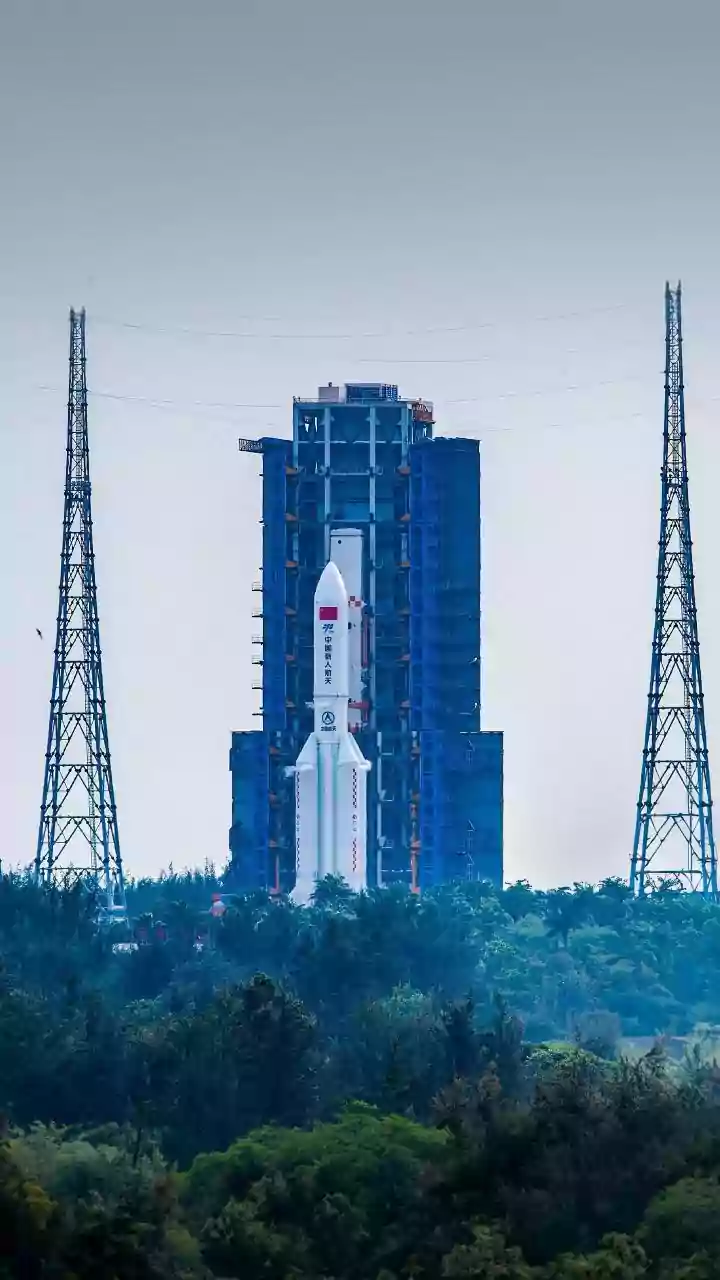
A new generation of ambitious startups has emerged, ready to seize this opportunity. Companies like Skyroot Aerospace and Agnikul Cosmos, often founded by former ISRO scientists, are leading the charge. Skyroot made history with Vikram-S, India's first privately developed rocket, in a suborbital launch and is targeting its first orbital mission. Agnikul has also achieved milestones, successfully test-launching its Agnibaan rocket, which notably featured the world's first single-piece 3D-printed semi-cryogenic engine, from India's first private launchpad. These companies are not just building rockets; they are creating a new culture of agile development and cost-effective solutions aimed at a specific, booming market.
Small Satellites, Big Business
Much of the private sector's focus is on the burgeoning global market for small satellite launches. As technology has miniaturised, the demand for launching smaller, specialised satellites for communications, Earth observation, and data services has exploded. Private companies can develop smaller, dedicated launch vehicles that offer more frequent and customised launch options compared to ISRO's larger, multi-payload missions. This agility allows satellite operators to get their technology into orbit faster and more affordably, a key competitive advantage that Indian firms are eager to provide to both domestic and international clients.
Building an Entire Ecosystem
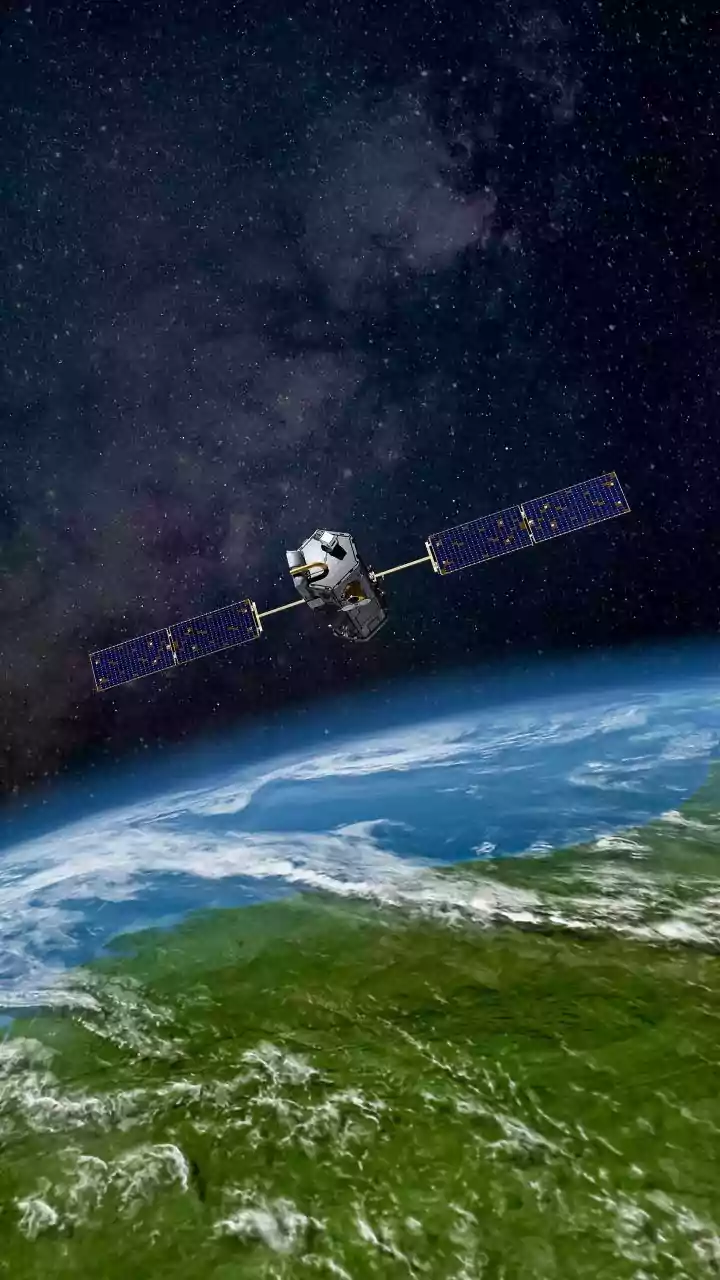
The impact of private players extends far beyond the launchpad. A comprehensive ecosystem is developing around the entire space value chain. Companies like Pixxel are deploying constellations of hyperspectral imaging satellites for advanced Earth observation in sectors like agriculture and climate monitoring. Others, like Dhruva Space, are involved in satellite manufacturing and ground station services. This private sector involvement creates a robust domestic supply chain, from component manufacturing to satellite-based data applications, fostering innovation across multiple industries and reducing India's reliance on foreign technology.
The Economic Lift-Off and Future Hurdles
The economic goals are ambitious. India aims to increase its share of the global space economy from its current value of around $8.4 billion to approximately $44 billion by 2033. This expansion is expected to create high-skilled jobs, attract significant foreign direct investment, and spur technological self-reliance under the 'Make In India' initiative. However, challenges remain. Securing consistent funding in a capital-intensive industry is a major hurdle. While government support through venture capital funds helps, Indian startups still compete for a fraction of the investment seen in countries like the US. Furthermore, developing a comprehensive legislative framework for liability and insurance, and scaling up infrastructure and specialised talent are critical next steps for sustainable growth.