







The All-or-Nothing Trap
We’ve all been there. After a weekend of indulgence, we declare a complete ban on all things 'unhealthy'. Packaged snacks, frozen meals, and sugary drinks are exiled from the kitchen. For a few days, it works. We feel virtuous, preparing every meal from scratch.
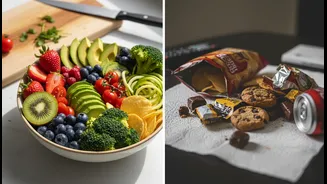
But then, life happens. A stressful day at work, an unexpected traffic jam, or sheer exhaustion hits, and suddenly, ordering a pizza feels like the only viable option. This cycle of restriction followed by surrender is known as the 'all-or-nothing' approach, and it's a primary reason why many well-intentioned health kicks fail. The pressure to be perfect is unsustainable. Trying to eliminate every convenience food ignores the reality of our busy lives and often leads to feelings of guilt and failure, pushing us further away from our long-term health goals.
The Power of a Better Default
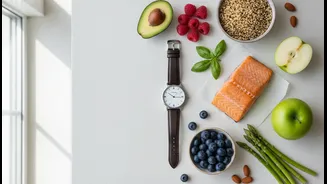
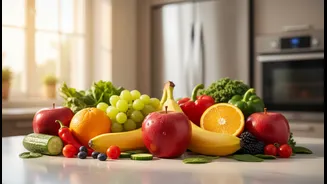
So, what’s the alternative? Instead of elimination, focus on upgrading. The concept of 'better defaults' comes from behavioural science and is remarkably simple: make the healthier choice the easiest and most automatic one. Our brains are wired to follow the path of least resistance. If your default snack is a packet of chips because it’s at the front of your pantry, you’ll eat chips. If your default is a bowl of fruit on the counter, you’re more likely to grab an apple. This isn’t about willpower; it’s about choice architecture. By setting up your environment—your kitchen, your shopping list, your daily routine—to favour nutritious options, you make healthy eating feel effortless rather than like a constant battle. The goal is to make good choices so easy you barely have to think about them.
Upgrade Your Pantry and Fridge
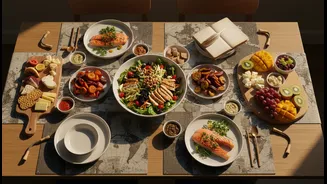
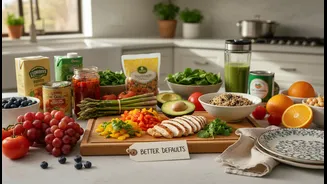
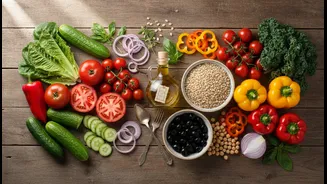
Creating better defaults starts in your kitchen. This doesn’t require a complete, expensive overhaul. It’s about making smarter swaps for the items you use most. Instead of white bread, make whole-wheat or multigrain bread your default. Swap sugary breakfast cereals for porridge oats or plain yogurt, which you can top with fruit and nuts. Keep your freezer stocked with frozen vegetables and fruits—they are just as nutritious as fresh and can save a meal when you're short on time. Canned goods like beans, lentils, and tuna (in water) are fantastic, low-cost protein sources for quick meals. By making these healthier versions the standard in your home, you automatically improve the nutritional quality of your meals without extra effort.
Rethink Quick Meals and Snacks
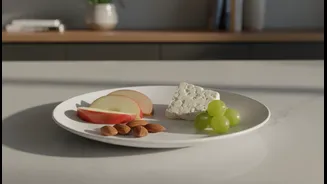
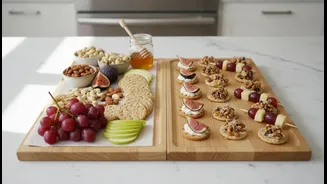
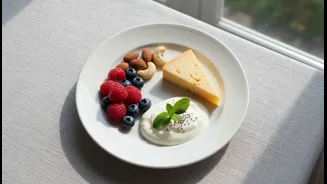
Convenience doesn't have to be the enemy of health. It’s about choosing a better class of convenience. Instead of instant noodles high in sodium, stock up on whole-wheat pasta and a jar of tomato-based sauce. For snacks, pre-portion nuts, seeds, or roasted chickpeas instead of reaching for biscuits. Plain popcorn can replace potato chips for a satisfying crunch. When you do cook, make extra. Cooking a larger batch of dal, brown rice, or roasted vegetables provides leftovers that can be quickly assembled for lunch the next day, preventing a last-minute takeaway order. Having these ready-to-go healthy components on hand transforms 'I have nothing to eat' into a quick, nourishing meal in minutes.
Embrace the 80/20 Mindset
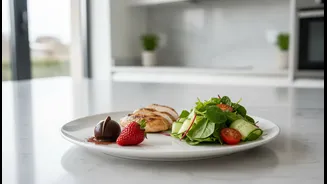
The beauty of the 'better defaults' approach is that it leaves room for flexibility. It’s not a rigid diet; it's a sustainable lifestyle. Many nutrition experts advocate for an 80/20 rule: focus on making nutritious choices 80% of the time, and allow yourself to enjoy your favourite treats the other 20% without guilt. This balance is crucial for long-term success. Knowing you can enjoy a piece of cake at a birthday party or a festive meal with family prevents the feeling of deprivation that can derail your efforts. Health is about the sum of your choices over time, not a single meal or day. By building a foundation of healthy defaults, you ensure that the vast majority of your choices are supporting your well-being, which makes the occasional indulgence exactly what it should be: a simple, uncomplicated pleasure.