



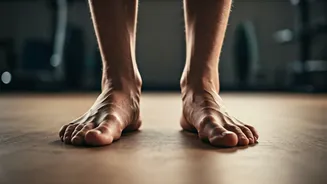


The Appeal of an Unplugged Workout
In a world of connected fitness trackers, algorithm-based workout plans, and gyms that look more like nightclubs, the call to return to nature is stronger than ever. The headline’s suggestion to ‘ditch’ high-tech gyms isn't just about saving money; it’s
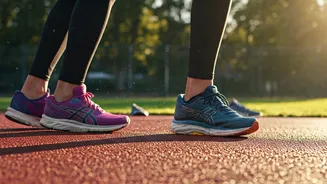
about disconnecting from the noise and reconnecting with something more fundamental. It’s about swapping the monotonous hum of a treadmill and recycled air for the feeling of soft earth under your feet and a fresh breeze. This back-to-basics movement taps into a desire for mindfulness and simplicity, framing exercise not as a chore to be optimised, but as a natural, joyful activity.
The Science of a Barefoot Stride
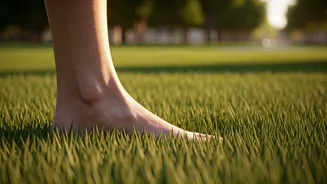
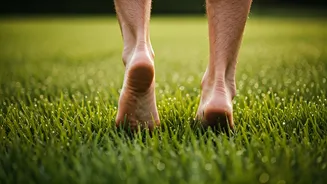
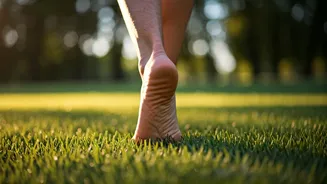
The core argument for barefoot running centres on biomechanics. Our feet are marvels of engineering, packed with over 100 muscles, tendons, and ligaments, and thousands of nerve endings. Cushioned running shoes can dull the sensory feedback from the ground, a process known as proprioception. When you run barefoot, your feet can feel the terrain in high definition. This forces you to adapt your stride, often encouraging a shorter, quicker cadence and a forefoot or midfoot strike rather than a harsh heel strike. Proponents argue this can lead to a more efficient and natural running form. Over time, it can also strengthen the small, intrinsic muscles within the feet and lower legs, which are often underdeveloped in people who exclusively wear supportive shoes.
Why the Grass Is Greener
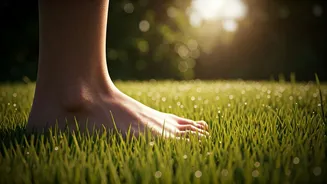
The surface matters as much as the shoe (or lack thereof). Running on natural grass offers a distinct advantage over concrete pavements or even a treadmill. Grass is a soft, forgiving surface that naturally absorbs a significant amount of impact with each footfall. This can be a huge relief for your joints, particularly your ankles, knees, and hips, which bear the brunt of the force when running on hard surfaces. The uneven nature of a field also challenges your stability and balance, engaging smaller stabilising muscles around your ankles and core that a perfectly flat treadmill belt won't touch. It turns your run into a more holistic, full-body workout.
A Reality Check: Start Slow and Safe
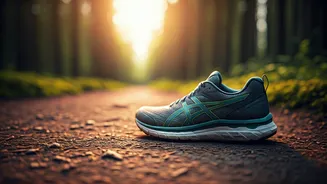
While the benefits are compelling, ditching your trainers for a barefoot sprint across the park without preparation is a recipe for injury. Your feet, accustomed to the protection of shoes, are vulnerable. The most immediate risks are cuts, scrapes, and puncture wounds from sharp objects like glass, thorns, or stones hidden in the grass. More seriously, transitioning too quickly can lead to overuse injuries. The muscles and bones in your feet and calves aren't ready for the new load, which can result in Achilles tendinitis, calf strains, or even metatarsal stress fractures. The key is a slow, gradual transition. Start by simply walking barefoot on a safe, clean patch of grass for 10–15 minutes a few times a week. Let your feet get used to the sensation before you even think about jogging.
Finding a Balanced Approach
Perhaps the headline’s command to ‘ditch’ the gym is too absolute. A more practical and sustainable approach is to view barefoot running on grass not as a replacement, but as a valuable supplement to your existing fitness routine. You don't have to choose between technology and nature. Think of barefoot sessions as a form of cross-training or a recovery tool. A short, mindful run on the grass once or twice a week can work wonders for your foot strength and running form, while you can still hit the gym for strength training or specific cardio goals. This balanced approach allows you to reap the rewards of natural movement without completely abandoning the benefits that modern fitness facilities can offer.