




The Real Purpose of Sifting
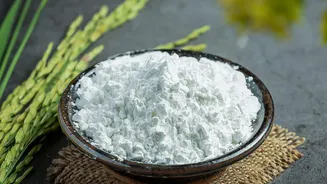
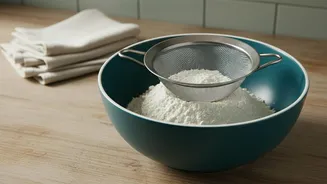
Let’s start with the basics. The main goal of sifting flour is to aerate it and break up any lumps. Flour that has been sitting in a bag or container becomes compacted over time. Sifting introduces air, making the flour lighter and fluffier. This lighter flour is much
easier to incorporate into wet ingredients, which is crucial for preventing over-mixing—the culprit behind tough, dense cakes. When a recipe calls for a delicate texture, like in an angel food or sponge cake, sifted flour is non-negotiable as lumps can weigh down the batter. Sifting also helps to evenly distribute other dry ingredients like baking soda, cocoa powder, or spices, ensuring you don't get an un-mixed pocket of leavening agent in your final product.
The Science of Stickiness
Now, let’s introduce the villain: moisture. Flour is hygroscopic, which means it readily absorbs moisture from the air around it. On a humid day, your flour holds more water than on a dry day, which affects how much liquid it can absorb in a recipe. This is why some doughs feel stickier in the summer. When this already slightly damp flour meets a damp sieve—perhaps one that was recently washed and not perfectly dried—the problem compounds. The moisture causes the fine flour particles to cling together, forming new, stubborn clumps. Instead of a light, aerated powder, you get a collection of small, sticky balls that will refuse to break apart easily.
The Domino Effect of Dampness
Sifting damp flour through a damp sieve doesn't just create lumps; it defeats the entire purpose of the task. Those small, moist clumps of flour are significantly harder to incorporate into your batter. You’ll be forced to mix longer and more vigorously to break them up. This extra mixing develops more gluten, which is great for chewy bread but a disaster for a tender cake, leading to a heavy, rubbery texture. Furthermore, flour that has absorbed excess moisture won't absorb the liquid ingredients in your recipe correctly. The hydration of your dough or batter will be off, potentially resulting in a product that is gummy, dense, or fails to rise properly. Essentially, a little bit of moisture on your tools or in your flour can set off a chain reaction that ruins the texture you were trying so hard to achieve.
Your Dry-Sifting Toolkit
Achieving a perfect sift is simple if you follow a few best practices. First, store your flour properly. Keep it in an airtight container in a cool, dry place to protect it from ambient humidity and pests. For long-term storage, especially for whole grain flours, the freezer is an excellent option. Second, ensure your tools are bone-dry. If you wash your sieve or sifter, dry it thoroughly with a towel and then let it air-dry completely before using it. If you're ever in doubt, don't use it. Finally, remember that sifting is about creating the best possible starting conditions for your ingredients. By ensuring your flour and your sieve are both completely dry, you are giving yourself the best chance to create the light, airy, and perfectly textured baked goods you dream of.